
 En
En Tr
TrWhen the process of trying to have a child takes longer than expected, it can be physically and emotionally challenging for both women and men. Infertility isn’t limited to the simple absence of pregnancy; hormonal changes, reproductive system issues, and certain other health problems can accompany it as well. Being informed about the symptoms of female infertility is essential for early diagnosis and proper treatment planning.
Contents 17
- Difficulty Conceiving Over a Long Period
- Irregular Periods
- Absence of Periods (Amenorrhea)
- Severe Menstrual Pain
- Ovulation Problems
- Signs of Hormonal Imbalance
- Pain During Intercourse
- Low Sperm Count
- Erectile Dysfunction
- Testicular Pain or Swelling
- Recurrent Miscarriages
- Pelvic Pain
- Nipple Discharge
- Excess Hair Growth and Acne
- Hair Loss
- Symptoms of Varicocele
- Decreased Sexual Desire
Difficulty Conceiving Over a Long Period
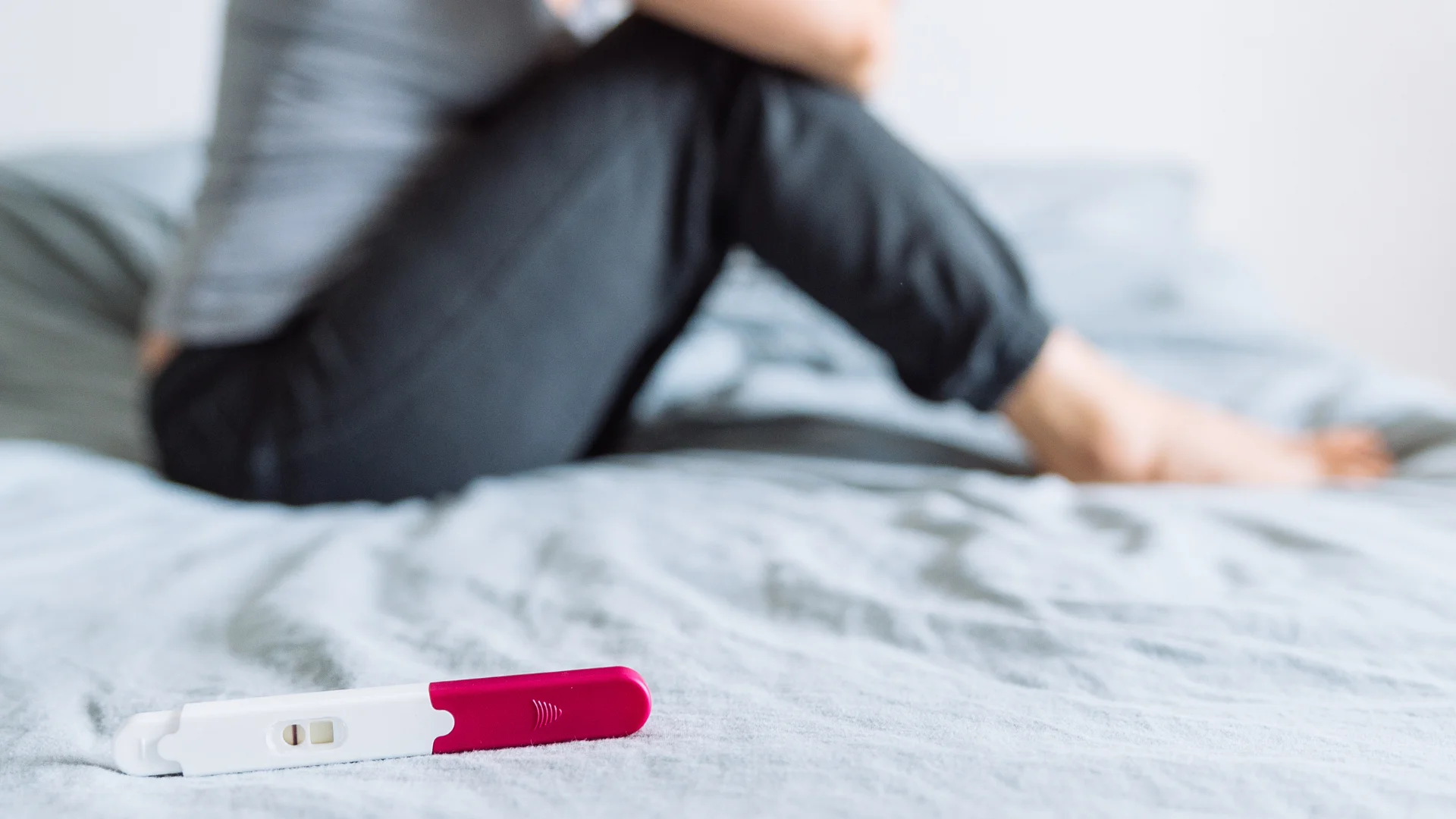
Not achieving pregnancy despite regular, unprotected intercourse over an extended period is one of the most common signs of infertility. As a general rule, couples under 35 may need an evaluation after a year without conceiving, while couples over 35 may need one after six months. This process should always be assessed for both partners together.
In some couples there’s no obvious underlying health issue, while in others hormonal or structural factors may be at play. Difficulty conceiving, one of the most commonly noted symptoms of infertility, should be investigated in detail with specialist support.
Irregular Periods
A menstrual cycle that keeps changing, or that varies noticeably from month to month, can be an early sign of ovulation problems. Periods that come too frequently or too infrequently suggest that hormonal balance may be affected. Conditions such as polycystic ovary syndrome, in particular, are often linked to irregular periods.
Because the female reproductive system depends on a specific hormonal rhythm, changes in the cycle should always be taken seriously. Menstrual irregularities, among the symptoms of infertility, respond better to treatment when they’re evaluated early.
Absence of Periods (Amenorrhea)
Amenorrhea, or the absence of menstrual periods, can be temporary in some women, while in others it signals a more serious hormonal issue. A prolonged absence of periods can indicate that ovulation isn’t occurring. Stress, significant weight loss, thyroid disorders, and other hormonal imbalances can all trigger this condition.
It’s especially important to pay attention when someone who previously had regular periods suddenly stops menstruating. Amenorrhea, one of the key answers to the question of what the symptoms of infertility are, also offers important clues about a woman’s overall health.
Severe Menstrual Pain
Intense menstrual cramps that interfere with daily life can be linked to certain gynecological conditions. Endometriosis, in particular, can cause both severe pain and fertility problems. Pain that worsens over time, or that’s also felt during intercourse, is an important warning sign.
It isn’t always easy to tell normal menstrual cramps apart from pain caused by an underlying condition. That’s why pain that keeps recurring and affects quality of life calls for a specialist evaluation.Male infertility, among whose symptoms this condition is also considered, can be brought under control with early treatment.
Ovulation Problems
Irregular ovulation is one of the factors that directly affects the chances of pregnancy. When ovulation doesn’t occur, the likelihood of fertilization drops and changes in the menstrual cycle can appear. Hormonal disorders, stress, and certain metabolic conditions can all affect this process.
Common signs of ovulation problems include:
- Irregularities in the menstrual cycle.
- A prolonged absence of periods.
- No regular pattern of change in basal body temperature.
- Noticeable, intense hormonal fluctuations.
These signs don’t always mean infertility on their own, but regular monitoring is still important. Ovulation problems, among the symptoms of infertility, are one of the key indicators of a woman’s reproductive health.
Signs of Hormonal Imbalance
Changes in the hormonal system can affect reproductive health in both women and men. Sudden weight changes, fatigue, skin problems, and mood swings can all point to a hormonal imbalance. Thyroid and prolactin hormones, in particular, can have a significant effect on fertility.
Daily pace of life, stress, and diet can all directly affect hormone levels. When looking for the answer to what the symptoms of infertility are, hormonal health should always be part of the evaluation.
Pain During Intercourse
Pain felt during intercourse can be connected to certain gynecological conditions in women. Infections, endometriosis, or structural issues in the pelvic area can all be responsible. When the pain becomes persistent, it can also negatively affect a couple’s sex life.
This discomfort should never be seen as something to feel embarrassed about. Pain during intercourse, one of the symptoms of infertility, can be managed more effectively once the underlying cause is identified.
Low Sperm Count
Low sperm count is one of the most common causes of male infertility. A reduced sperm count can lower the chances of fertilization, and it can sometimes progress without any noticeable symptoms at all. Smoking, high stress levels, excessive heat exposure, and certain health conditions can all affect sperm quality.
Factors that can contribute to a low sperm count include:
- A sedentary lifestyle.
- Hormonal disorders.
- Varicocele.
- Nutritional deficiencies.
- Heavy alcohol and tobacco use.
Male reproductive health is assessed not only by sperm count but also by sperm motility and morphology. That’s why detailed testing is so important.
Erectile Dysfunction
Erectile dysfunction can affect not only sexual life but also the ability to conceive. Circulatory problems, stress, diabetes, and hormonal changes can all contribute to it. Persistent, recurring erectile problems call for a specialist evaluation.
Psychological factors also play an important role in male reproductive health. This condition, considered among the symptoms of infertility, can improve with the right treatment and lifestyle changes.
Testicular Pain or Swelling
Pain, tenderness, or swelling in the testicles can be a sign of certain reproductive system conditions. Infections, injuries, or vein enlargement can all be behind these complaints. Pain that lasts for a long time, in particular, should never be ignored.
In some men, the swelling can be so mild that it goes unnoticed. That’s why regular check-ups are important. Testicular issues, among the symptoms of infertility, tend to respond better to treatment when diagnosed early.
Recurrent Miscarriages
Even when pregnancy is achieved, recurring miscarriages can be related to both genetic and hormonal causes. Structural issues in the uterus, immune system disorders, or chromosomal abnormalities can all lead to this. Repeated miscarriages call for a detailed investigation.
This process can also be emotionally difficult for couples. Recurrent miscarriage, one of the answers to the question of what the symptoms of infertility are, should be thoroughly evaluated under specialist follow-up.
Pelvic Pain
Chronic pain in the groin and lower abdomen can be a warning sign of certain gynecological conditions. Infections, endometriosis, and ovarian problems, in particular, can cause pelvic pain. It’s especially significant when the pain continues outside of the menstrual period.
Pelvic pain isn’t always caused by infertility, but because it can be linked to reproductive health, it shouldn’t be ignored. This condition, considered among the symptoms of infertility, is an important sign for early diagnosis.
Nipple Discharge
Milky discharge from the nipples outside of pregnancy or breastfeeding can be linked to a hormonal imbalance. In particular, elevated prolactin levels can suppress ovulation and affect fertility. This can also develop as a side effect of certain medications.
Hormonal changes can sometimes progress with symptoms that go unnoticed. This condition, among the symptoms of infertility, can be clearly assessed through hormone testing.
Excess Hair Growth and Acne
Excess hair growth on the face, chin, or body in women can be connected to hormonal disorders. It can appear together with acne, particularly in polycystic ovary syndrome. Elevated androgen levels can affect the reproductive system.
Skin changes are sometimes seen as merely a cosmetic issue, but they can offer important clues about hormonal health. When looking for the answer to what the symptoms of infertility are, these kinds of physical changes should be carefully evaluated.
Hair Loss
Significant hair loss can be a sign of certain hormonal disorders. Thyroid problems and changes in androgen hormones, in particular, can affect hair health. Stress and nutritional deficiencies can also speed up the process.
Hair loss doesn’t necessarily mean infertility on its own, but it can be significant when considered alongside other symptoms. That’s why hair loss that’s prolonged and becomes noticeable should be checked by a specialist.
Symptoms of Varicocele

Varicocele is a condition caused by the enlargement of veins around the testicles and is one of the common causes of male infertility. Pain that increases after standing for long periods, or a feeling of heaviness in the testicles, may occur. In some men, it can progress without any symptoms at all.
Common symptoms of varicocele include:
- A feeling of heaviness in the testicles.
- Pain that increases by the end of the day.
- Visible swelling or more prominent veins.
- A decline in sperm quality.
A varicocele diagnosed early can be brought under control with appropriate treatment. Regular check-ups are essential for protecting male reproductive health.
Decreased Sexual Desire
Decreased sexual desire can result from both hormonal and psychological causes. Intense stress, depression, low testosterone, or chronic illness can all play a role. When low desire persists over time, it can negatively affect both the couple’s relationship and the process of trying to conceive.
Lifestyle, sleep patterns, and overall health directly affect sexual desire. This condition, considered among the symptoms of infertility, can be managed more effectively once the underlying cause is identified.
The infertility journey isn’t only physical — it’s a process that also calls for emotional support. Regular health check-ups, early diagnosis, and specialist support can all improve the chances of successful treatment. When pregnancy doesn’t occur naturally, assisted reproductive methods such as IVF treatment can offer couples an effective path forward. Symptoms that persist over a long period should never be overlooked, and a gynecologist or urologist should be consulted when needed.
