
 En
En Tr
TrA smear test (Pap smear) is an important screening method used to evaluate cervical health and detect potential cellular changes at an early stage. The procedure is usually quick, and most women can return to their daily routine right away. Still, paying attention to a few things afterward can improve comfort and help protect the sensitivity of the vaginal area.
Contents 8
- Avoid Products That Could Irritate the Vaginal Area for the First 24 Hours
- Don’t Worry About Mild Spotting or Cramping
- Don’t Use Vaginal Medication Without Your Doctor’s Advice
- Pay Attention to Hygiene After a Smear Test
- See a Doctor if You Experience Heavy Bleeding or Severe Pain
- Don’t Skip Monitoring Your Body After the Test
- Always Follow Up on Your Results
- Don’t Postpone Your Follow-Up Check-Ups
Avoid Products That Could Irritate the Vaginal Area for the First 24 Hours
After a smear test, the vaginal area can become temporarily sensitive. That’s why it’s important to avoid scented hygiene products, vaginal douches, or chemical-based cleansers for the first 24 hours. Protecting the area’s natural flora supports the healing process. Choosing breathable, comfortable underwear instead of tight clothing can also reduce the risk of irritation. In people with especially sensitive skin, using the wrong product can cause burning or itching. Avoiding irritating products is one of the important things to keep in mind after a smear test.
Don’t Worry About Mild Spotting or Cramping
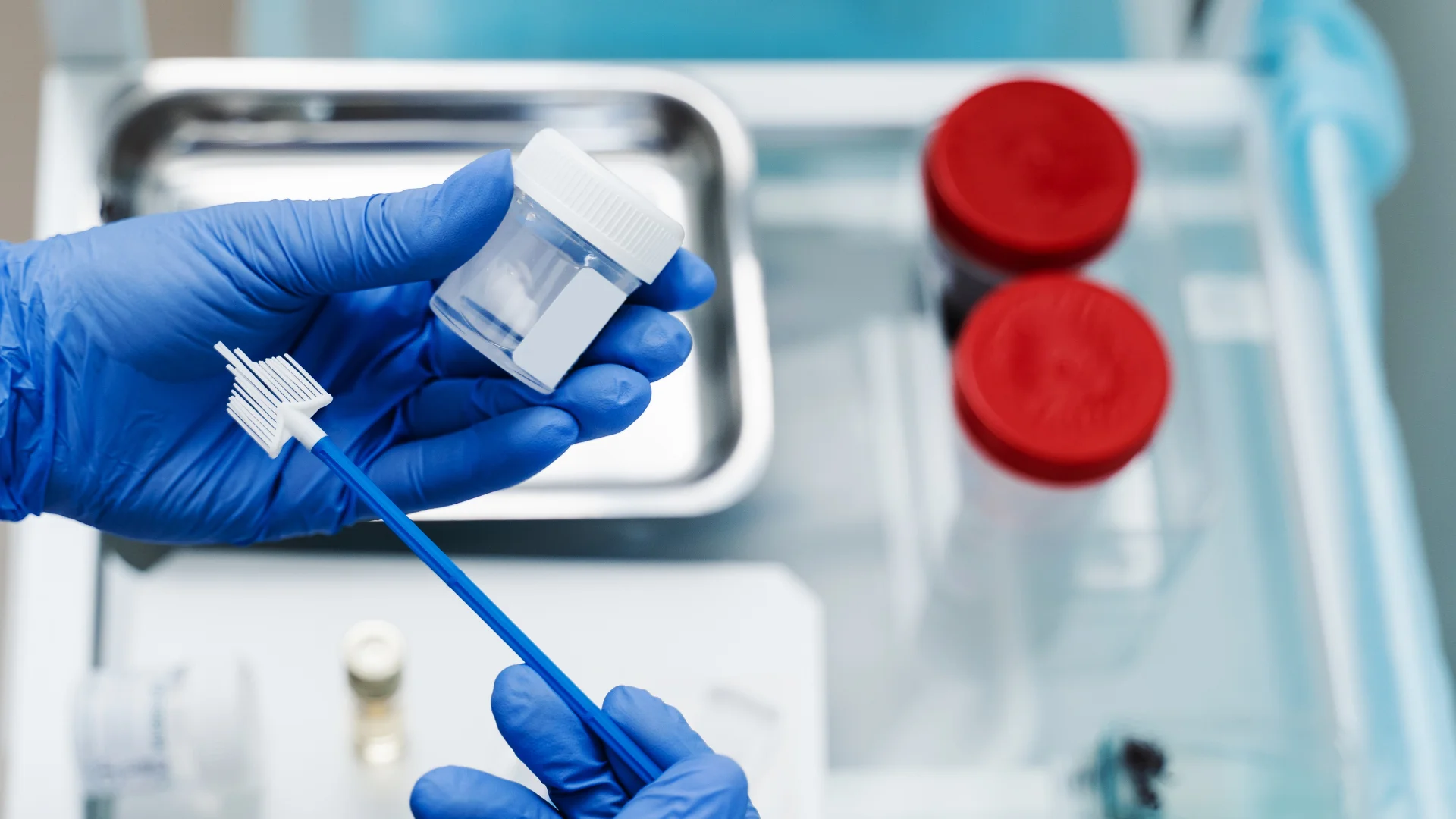
Because a sample is taken from the cervix during the test, mild spotting or brief cramping can occur. This is generally considered normal and tends to ease within a few hours. Symptoms may feel slightly more pronounced in people with a more sensitive cervix. What matters is that the spotting stays light and the pain doesn’t become unbearable. Wearing a panty liner can help you feel more comfortable during this time. Correctly interpreting the body’s natural response is also one of the things to pay attention to after a smear test.
Don’t Use Vaginal Medication Without Your Doctor’s Advice
After a smear test, suppositories, creams, or other vaginal medications should not be used without your doctor’s recommendation. Unnecessary medication use can disrupt the vaginal flora and interfere with accurate result interpretation. Unless infection is suspected, it’s best not to intervene in the area at all. Some people are tempted to use products on their own to ease mild discomfort, but doing so can actually increase irritation or raise the risk of infection. For this reason, it’s always healthier to seek a specialist’s opinion if any complaint arises.
Pay Attention to Hygiene After a Smear Test
It’s important to keep the genital area clean and dry after the test. Gentle cleansing with lukewarm water is usually enough, and extra hygiene products aren’t necessary. Extra care should be taken in shared pools or places with inadequate hygiene conditions. Overdoing hygiene routines can also disrupt the vaginal balance. Simple, consistent daily care is usually all that’s needed. Proper hygiene habits are an important protective step among the things to pay attention to after a smear test.
See a Doctor if You Experience Heavy Bleeding or Severe Pain
While mild spotting is considered normal, you should always see a doctor if you experience heavy bleeding or severe pain. Fever, foul-smelling discharge, or prolonged pain, in particular, can be signs of infection. These situations should be evaluated promptly rather than ignored. Symptoms to watch for include:
- Severe pelvic pain.
- Heavy or prolonged bleeding.
- Fever or fatigue.
- Foul-smelling vaginal discharge.
These symptoms don’t always indicate a serious problem, but a specialist check-up is still important. Early intervention can help prevent possible complications.
Don’t Skip Monitoring Your Body After the Test
It’s important to keep track of how your body responds after a smear test. While mild discomfort is normal, the duration and intensity of any symptoms should be monitored closely. People who have had issues after a similar procedure in the past should be especially attentive. Listening to your body provides valuable awareness throughout any health process. Noticing unusual changes early is also one of the things to pay attention to after a smear test, allowing you to get specialist support quickly when needed.
Always Follow Up on Your Results
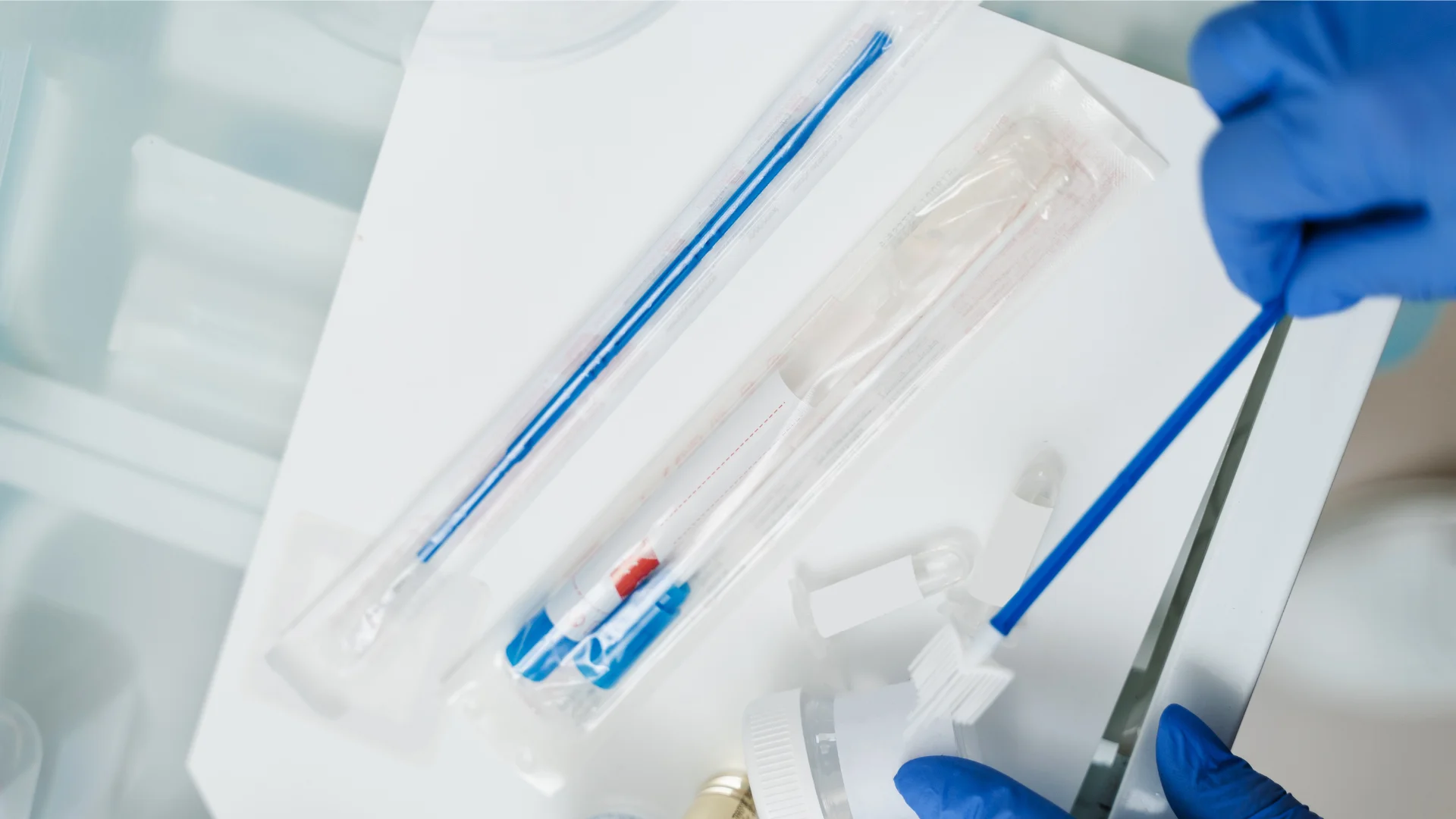
The purpose of a smear test isn’t just to collect a sample — it’s to ensure the results are properly evaluated. That’s why following up on your results afterward shouldn’t be overlooked. Some cellular changes can progress in the early stages without producing any symptoms. Learning your results on time helps make further testing or treatment planning possible when needed. Staying enrolled in a regular screening program, in particular, is essential for protecting women’s health.
Don’t Postpone Your Follow-Up Check-Ups
The follow-up dates recommended by your doctor after a smear test should be taken seriously. Regular check-ups play an important role in the long-term monitoring of cervical health, and they become even more critical for those in higher-risk groups. Keeping up with follow-up appointments allows potential issues to be caught early. Healthy lifestyle habits combined with regular gynecological evaluations are among the most effective steps in protecting women’s health.