
 En
En Tr
Tr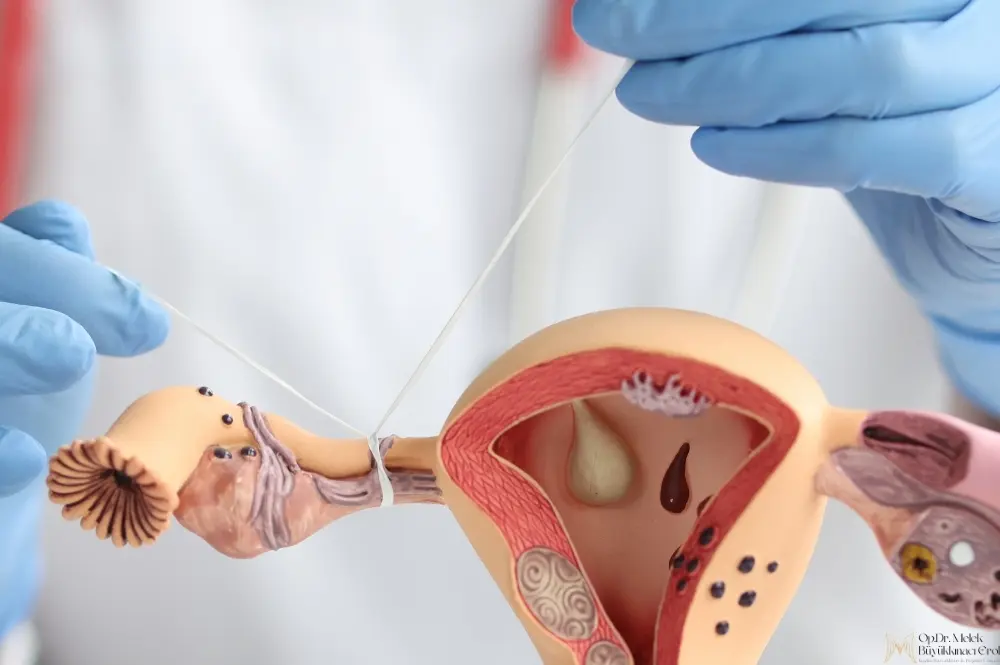
Contents 6
What Is Tubal Reanastomosis?
Tubal reanastomosis, also known in medical literature as tubal reversal surgery, is a surgical procedure. It is performed to reverse a previous surgical procedure in which a woman's fallopian tubes were tied (tubal ligation). Tubal ligation is a birth control method performed to permanently end a woman's fertility. However, some women, later in life, may decide they want to have children again and wish to have their tubes reopened. In such cases, tubal reanastomosis is performed to help restore fertility.
Purpose and Indications of Tubal Reanastomosis
The main purpose of tubal reanastomosis is to help women who have previously had their tubes tied regain their fertility. This procedure allows women to conceive naturally and is generally considered as an alternative to assisted reproductive techniques such as IVF treatment.
Alternative to IVF Treatment: Tubal reanastomosis can be considered as an alternative to IVF treatment. It is suitable for women who wish to conceive naturally and whose tubes have been tied.
Desire for Natural Pregnancy: It is an ideal option for women who wish to become pregnant naturally without resorting to advanced assisted reproductive techniques such as IVF.
Younger Age and Higher Chance of Pregnancy: It offers a high chance of success particularly for women under 35 whose tubal segments removed during the ligation procedure were not extensive.
Suitable Candidates for Tubal Reanastomosis
Tubal reanastomosis is not a suitable procedure for every woman. A detailed evaluation is required to determine whether a patient is a suitable candidate for the procedure.
Tubal Ligation Method: The method used to tie the tubes is an important factor affecting the success rate of tubal reanastomosis. If mechanical ligation (such as clips or bands) was used instead of fulguration (electrical cauterization), the chance of success may be higher.
Tube Length: The length of the tube segment removed during the ligation procedure is also important. Having tubes that remain of sufficient length is critical for a successful reconnection. In general, tubes longer than 4 cm have been associated with higher pregnancy rates.
General Health Status: Before surgery, general health status and other factors that may negatively affect fertility should also be taken into consideration.
Partner's Fertility Status: Fertility assessments such as semen analysis of the woman's partner should also be performed, since the fertility status of both partners affects the chances of pregnancy.
How Is Tubal Reanastomosis Performed?
Tubal reanastomosis surgery is generally performed using laparoscopic or microsurgical techniques. These methods are minimally invasive, offer a faster recovery process, and reduce the risk of complications.
Anesthesia: The procedure is generally performed under general anesthesia. This allows the patient to sleep through the surgery and feel no pain.
Preparation of the Tube: The surgeon makes several small incisions in the abdominal area and reaches the tubes using a thin camera called a laparoscope along with surgical instruments. The site where the tubes were previously tied is carefully examined.
Joining the Tube Segments: The tied segments of the tubes are rejoined using extremely fine sutures under a surgical microscope. This procedure allows the tubes to function again and creates a suitable pathway for the egg and sperm cell to meet.
Verification and Closure: Once it has been confirmed that the tubes have been successfully rejoined, the surgeon closes the incisions in the abdominal area and completes the procedure. Since laparoscopic surgery involves small incisions, the recovery period is generally shorter and the risk of complications is lower.
Recovery Process After Tubal Reanastomosis
The recovery process after tubal reanastomosis can vary depending on the surgical method used and the patient's general health status.
Recovery Time: After laparoscopic surgery, patients can generally return to their daily activities within a few days. It is recommended to avoid physically demanding activities.
Pain and Discomfort: Mild pain and discomfort may be felt after surgery, which can be controlled with analgesic medications.
Pregnancy Planning: After surgery, it may be necessary to wait a few months before trying to conceive naturally. Your doctor will schedule regular follow-up appointments to monitor the healing process of the tubes and your overall health.
Follow-Up: During the first few months, your menstrual cycles and any possible signs of pregnancy should be carefully monitored. After a successful tubal reversal surgery, your chances of conceiving naturally increase.
Risks and Success Rate of Tubal Reanastomosis
As with any surgical procedure, tubal reanastomosis carries certain risks and possible complications. These include infection, bleeding, reactions related to anesthesia, and the risk of the tubes becoming blocked again. In addition, the risk of ectopic pregnancy may also increase after this type of surgery.
Success Rate: The success rate of tubal reanastomosis varies depending on how much damage the tubes have sustained, as well as the patient's age and general health status. In younger women (under 35) and in cases where the tubes remain of sufficient length, the success rate is higher, and the chance of pregnancy can range between 50-80%.
Risk of Ectopic Pregnancy: The risk of ectopic pregnancy is somewhat higher after this procedure, so it is important to contact your doctor immediately if signs of pregnancy begin. Tubal reanastomosis is an effective treatment option for women who wish to regain their fertility. This surgical procedure has the potential to enable natural conception and can be considered, in particular, as an alternative to IVF treatment. A detailed evaluation before surgery and careful follow-up afterward play an important role in increasing the success rate of the procedure. As with all surgical procedures, the risks and benefits should be evaluated in detail.