
 En
 Tr
A vaginal yeast infection is one of the most common gynecological problems women may encounter at any point in their lives. Usually caused by the fungus Candida albicans, it develops when the natural balance of the vaginal flora is disrupted. Many factors can trigger a yeast infection, including pregnancy, antibiotic use, stress, hormonal changes, and a weakened immune system. The good news is that with early diagnosis and appropriate treatment, a vaginal yeast infection can be easily brought under control.
Contents 9
Intense Itching
Among the symptoms of a vaginal yeast infection, the most common complaint is intense itching. Yeast infection symptoms in the vaginal area typically show up as an almost unbearable urge to scratch. This itching can worsen especially at night and can seriously affect your quality of daily life. The itching caused by a yeast infection is far more intense and persistent than simple irritation. Even though the urge to scratch can be very strong, scratching can make the condition worse and cause sores in the area. For this reason, it is recommended that you see a specialist as soon as you notice itching.
A Burning Sensation in the Vagina
A burning sensation is quite a common symptom of a vaginal yeast infection and can make daily activities uncomfortable. This burning tends to become more noticeable when urinating, during intercourse, or when the area comes into contact with water. Among the symptoms in the vaginal area, burning can result from irritation and inflammation of the mucosa. Some women describe this sensation as stinging or soreness. While burning can occur on its own, it usually appears together with itching and redness, which adds to the severity of the discomfort.
White, Clumpy Discharge (Cottage-Cheese-Like)
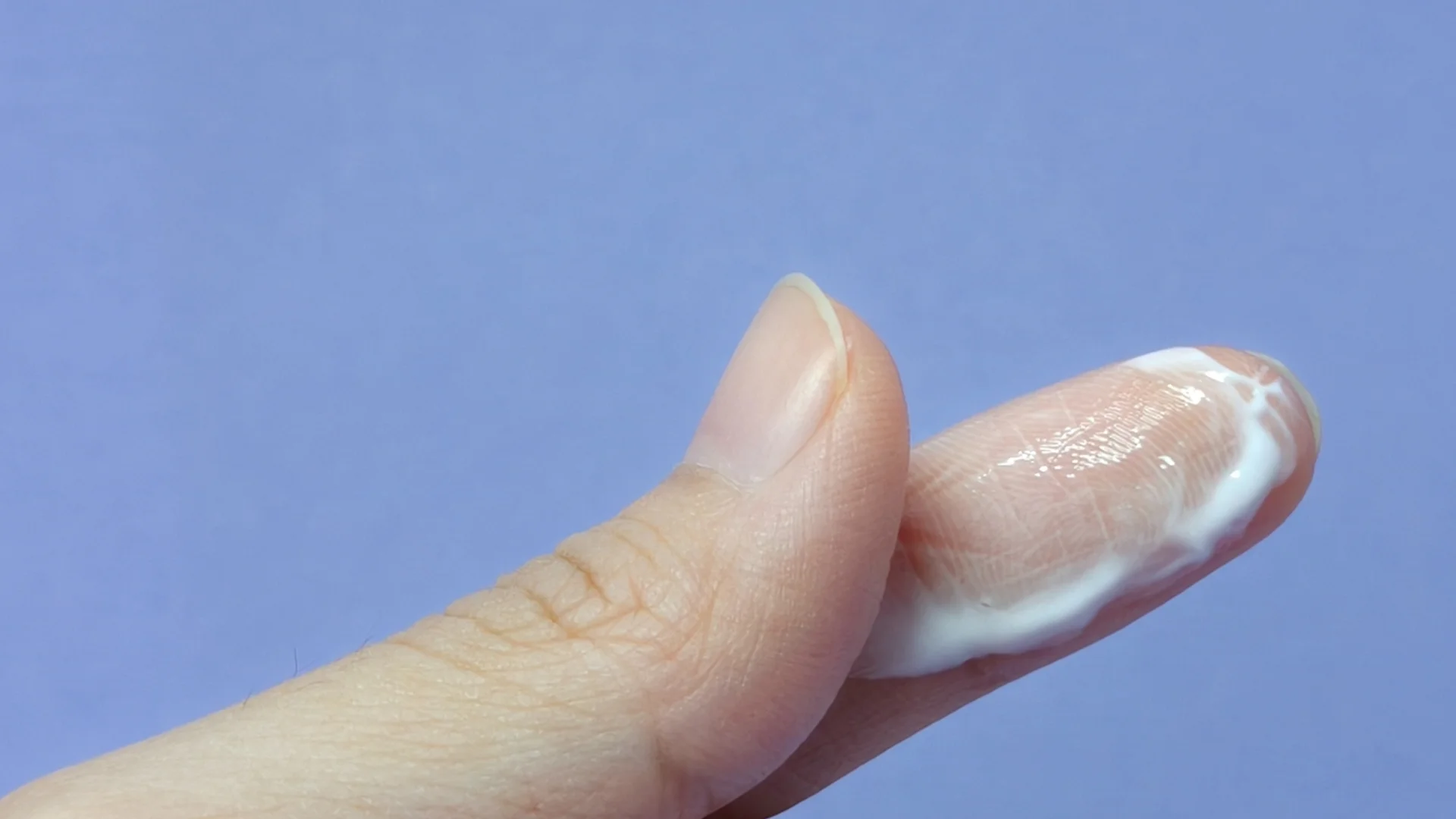 When it comes to the symptoms of a vaginal yeast infection, the most characteristic sign is a white, clumpy discharge. This discharge is usually odorless or has a mild yeasty smell, and in appearance it resembles cottage cheese or curd cheese. Unlike normal vaginal discharge, discharge caused by a yeast infection is thicker and has a clumped, curd-like texture. Among the symptoms of a vaginal yeast infection, this change in discharge is one of the most noticeable, and most women recognize the difference right away.
Redness and Irritation
Symptoms of a vaginal yeast infection also show up physically, and one of the most noticeable signs is redness and irritation. The infected area usually looks redder than normal and is tender to the touch. This redness can appear not only inside the vagina but also on the external genital area. Irritation can make the skin look inflamed and swollen.
Swelling in the Vagina
Swelling is one of the symptoms of a vaginal yeast infection and is part of the body’s inflammatory response to the infection. The vaginal tissues may look more swollen, full, and taut than usual. This swelling is especially noticeable in the outer labia and can cause discomfort when sitting, walking, or from friction with clothing. When swelling accompanies other vaginal yeast infection symptoms, the area may feel painful to the touch. Swelling usually appears together with other symptoms and is often one of the first to improve once treatment begins. If the swelling is severe and is interfering with your daily activities, you should be sure to consult a healthcare professional.
Burning During Urination
The symptoms of a vaginal yeast infection are not limited to the vaginal area alone; they can also show up during urination. Because the infection sits close to the urinary tract, it can cause a burning and stinging sensation when you urinate. This can be especially noticeable during your first urination in the morning or after holding your urine for a long time. The burning felt during urination with a yeast infection can be mistaken for a urinary tract infection. However, it is usually accompanied by other vaginal yeast infection symptoms, such as white discharge and itching.
Pain During Intercourse
Vaginal yeast infection symptoms can also affect your sex life and cause pain during intercourse (dyspareunia). Infected and irritated vaginal tissues become much more sensitive to friction during sexual activity. This pain may be felt as burning, stinging, or throbbing during or after intercourse. Having intercourse while yeast infection symptoms are active can both increase physical discomfort and delay the infection’s healing.
Unpleasant Odor (Not Always Present)
Odor is not always present among the symptoms of a vaginal yeast infection, but it can occur in some women. Yeast infections usually do not produce a noticeable odor, or at most a very mild yeasty smell. However, in some cases — especially if the infection has been present for a long time or is combined with a bacterial infection — a slightly sour or yeasty odor may be noticeable. A strong, fishy odor among vaginal symptoms is usually a sign of bacterial vaginosis and is different from a yeast infection. If you notice an unusual odor, you should be sure to see a gynecologist for an accurate diagnosis.
Cracking and Tenderness of the Outer Labia
Vaginal yeast infection symptoms can sometimes be clearly visible on the external genital area as well. Cracking, dryness, and extreme tenderness can develop on the outer labia (labia majora and minora). These cracks can appear as small sores and may hurt when touched or during movement. When yeast infection symptoms compromise the integrity of the skin, the area can become more vulnerable to infection. Cracked skin can also prolong healing and make your daily hygiene routine more difficult. This sensitive area should be kept away from moisturizing or perfumed products, and appropriate treatment should only be applied on your doctor’s advice.