
 En
En Tr
TrPostpartum urinary incontinence is a common problem that affects roughly one in three new mothers, yet it is often kept hidden out of embarrassment. Pregnancy and childbirth bring about significant changes in the pelvic floor muscles, bladder, and urethra. In particular, the weakening or stretching of these muscles after a vaginal delivery can lead to involuntary urine leakage during laughing, coughing, sneezing, or sudden movements. The good news is that this condition does not have to be permanent — with the right approach and proper medical follow-up, it can be substantially improved.
Contents 8
- What Is Postpartum Urinary Incontinence?
- Causes of Postpartum Urinary Incontinence
- What Are the Types of Postpartum Urinary Incontinence?
- Who Is More Likely to Experience It?
- Diagnosis and Treatment of Urinary Incontinence After Vaginal Delivery
- How Can Postpartum Urinary Incontinence Be Prevented?
- When Is It Normal, and When Should You See a Doctor?
- Is Postpartum Urinary Incontinence Permanent?
What Is Postpartum Urinary Incontinence?
Postpartum urinary incontinence is the involuntary loss of urine that new mothers cannot control during the postpartum period. Medically known as “postpartum urinary incontinence,” it is a fairly common complication among women who have given birth. It tends to occur more frequently in mothers delivering for the first time, and develops as the growing weight of the uterus during pregnancy places pressure on the pelvic floor muscles, which are then further stretched during delivery. Postpartum urinary incontinence typically shows up during activities that increase abdominal pressure, such as coughing, sneezing, laughing, lifting heavy objects, or exercising. In most cases this problem is temporary and can be managed successfully with the right approach and appropriate treatment methods.
Causes of Postpartum Urinary Incontinence
The causes of postpartum urinary incontinence are directly related to both the pregnancy and the birth process, and usually result from a combination of several factors:
- Weakening of the pelvic floor muscles: Throughout pregnancy, the growing baby’s weight places constant pressure on the pelvic floor muscles that support the bladder and urethra, causing these muscles to weaken.
- Birth trauma: As the baby passes through the birth canal during a vaginal delivery, the pelvic floor muscles, connective tissue, and nerves may be stretched, torn, or otherwise damaged.
- Hormonal changes: Rising levels of the hormone relaxin during pregnancy loosen connective tissue to ease delivery, but this same effect also weakens the structures that support the pelvis.
- Episiotomy or perineal tears: An episiotomy performed during delivery, or tears that occur naturally, can disrupt the integrity of the pelvic floor and negatively affect bladder control.
- Length of labor and baby’s size: Prolonged labor and delivering a baby weighing more than 4,000 grams increase the risk of greater damage to the pelvic structures.
What Are the Types of Postpartum Urinary Incontinence?
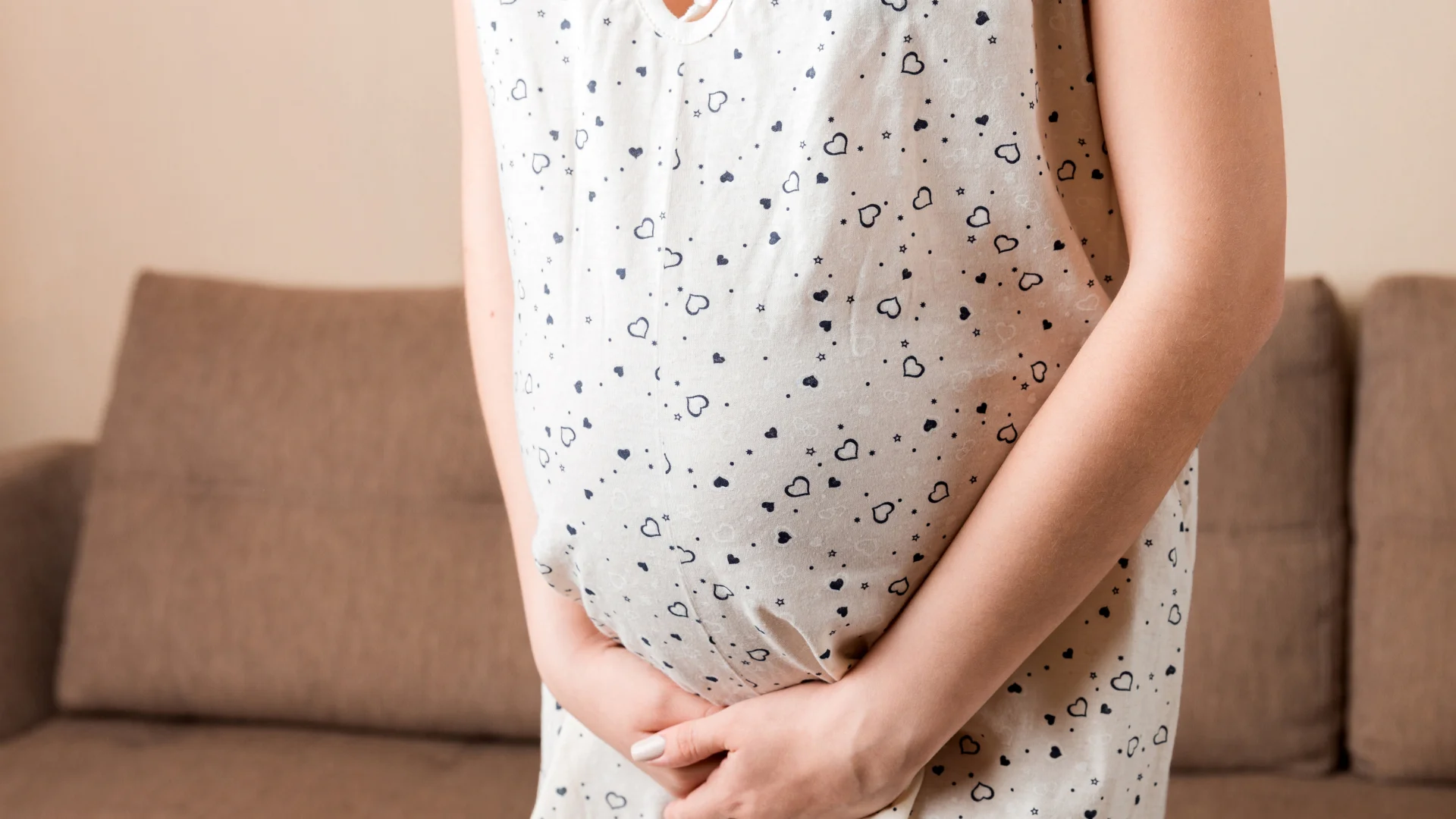 In the postpartum period, women may experience different types of urinary incontinence, each with its own distinct characteristics:
- Stress urinary incontinence: The most common type. It occurs during activities that raise abdominal pressure, such as coughing, sneezing, laughing, running, or lifting heavy objects. This type accounts for the vast majority of urinary incontinence cases after vaginal delivery.
- Urge incontinence: Involves an uncontrollable loss of urine accompanied by a sudden, intense urge to urinate. The woman may be unable to reach the toilet in time, and this type stems from an overactive bladder.
- Mixed-type incontinence: A combination of both stress and urge incontinence occurring together. This combined form is also frequently seen in postpartum women.
- Overflow incontinence: Occurs when the bladder cannot be emptied completely, leading to a constant, dribbling loss of urine. It is rarer after childbirth but can occur in cases involving nerve damage.
Who Is More Likely to Experience It?
While postpartum urinary incontinence can affect many women, certain risk factors make it more likely. Women who deliver vaginally face a notably higher risk than those who have a cesarean section. Pregnancies after the age of 35 carry a higher risk because pelvic tissue elasticity decreases with age. Multiple pregnancies or having given birth more than once increase the likelihood of pelvic floor muscle weakening. Excessive weight gain during pregnancy or obesity places extra strain on the pelvic structures, raising the risk further. Women with a history of urinary incontinence before or during pregnancy are also more likely to experience this problem after delivery.
Diagnosis and Treatment of Urinary Incontinence After Vaginal Delivery
Diagnosing urinary incontinence after vaginal delivery begins with a detailed medical history and a physical examination. The doctor evaluates how often the leakage occurs, its severity, what triggers it, and how it affects daily life. During diagnosis, a urine test is performed to rule out infection, and a pelvic examination checks the strength of the pelvic floor muscles and any anatomical changes. A cough test may also be used to demonstrate stress-type leakage. In some cases, keeping a bladder diary, urodynamic testing, or advanced imaging methods such as ultrasound may be needed. The treatment approach varies depending on the type and severity of the incontinence and its underlying causes:
- Conservative treatment methods: The first-line approach, including pelvic floor (Kegel) exercises, bladder training, lifestyle changes (weight control, regulating fluid intake), and avoiding caffeine and acidic beverages.
- Physical therapy and rehabilitation: Biofeedback, electrical stimulation, and structured exercise programs supervised by specialized physiotherapists are highly effective.
- Medical treatment: Medications that relax the bladder muscles may be used for urge-type incontinence.
- Surgical interventions: In severe cases that do not respond to conservative treatment, bladder-support surgeries, laser treatment for urinary incontinence, or sling procedures may be considered.
How Can Postpartum Urinary Incontinence Be Prevented?
There are steps that can help reduce the risk of postpartum urinary incontinence or improve an existing condition. Starting regular pelvic floor exercises during pregnancy keeps the muscles strong and speeds up postpartum recovery. Paying attention to healthy weight gain during pregnancy prevents excess strain on the pelvic structures. Beginning Kegel exercises in the first weeks after delivery helps strengthen the pelvic floor muscles. Eating a fiber-rich diet to avoid constipation also prevents additional pressure on the pelvic floor. It is important to avoid heavy lifting and to resume physical activity gradually. Smokers should quit, since coughing puts strain on the pelvic floor. Adequate fluid intake should be maintained, but caffeinated drinks that may irritate the bladder should be limited. Developing regular toilet habits and avoiding holding in urine are also among the protective measures.
When Is It Normal, and When Should You See a Doctor?
Experiencing mild urinary incontinence in the first weeks right after delivery is normal, since the pelvic floor muscles need time to recover. Mild leakage seen within the first 6–8 weeks after birth can generally be considered part of the normal postpartum healing process. However, in certain situations, you should always see a doctor:
- If the leakage is still present 3 months after delivery, or if it is getting worse,
- If it seriously affects your daily activities, or causes social withdrawal or psychological distress,
- If you notice pain, burning, or blood when urinating,
- If there is a constant feeling of bladder fullness or difficulty urinating,
- If it is accompanied by additional symptoms such as fecal incontinence or pelvic pain,
- If the leakage started suddenly or is worsening rapidly.
Early intervention improves treatment success and helps prevent the development of chronic problems. For this reason, seeing a doctor early on is important.
Is Postpartum Urinary Incontinence Permanent?
In most cases, postpartum urinary incontinence is not permanent and tends to improve over time. Research shows that around 70% of women who experience urinary incontinence in the first 3 months after delivery see it resolve on its own or with simple treatments within a year. As the pelvic floor muscles heal naturally, regular exercise significantly speeds up this recovery. Starting conservative treatment early, in particular, greatly reduces the risk of the problem becoming permanent. However, in cases left untreated or involving severe birth trauma, the condition can become chronic and affect quality of life in the long term. As the pelvic floor muscles naturally weaken with age, untreated postpartum incontinence may also become more pronounced in later years. For this reason, women experiencing postpartum urinary incontinence are strongly advised to undergo a specialist evaluation and follow an appropriate treatment plan.
