
 En
En Tr
Tr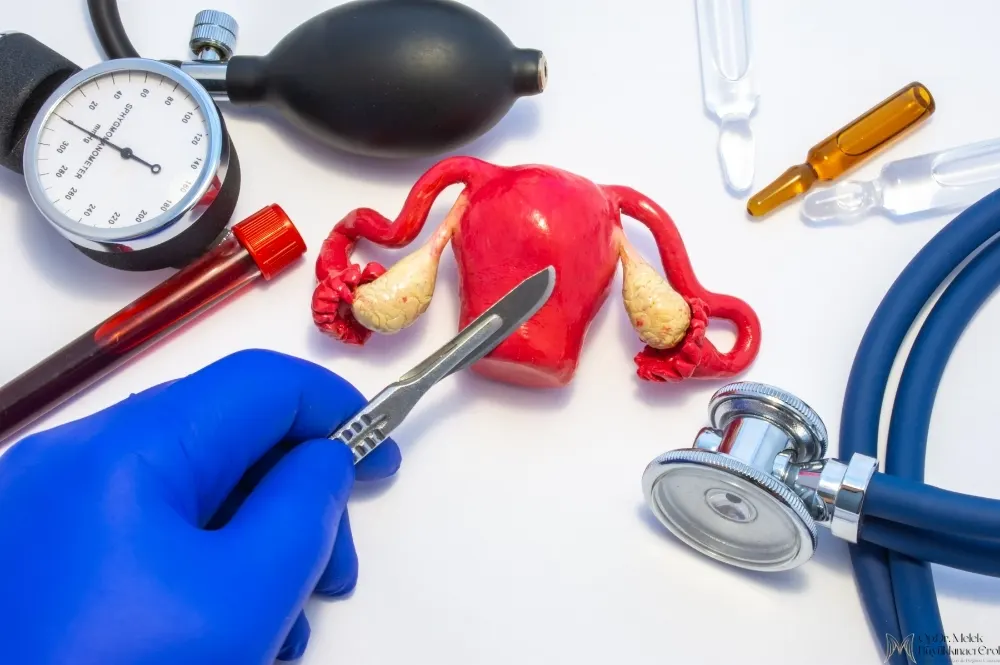
Contents 6
What Is Hysterectomy?
Hysterectomy is the surgical removal of a woman's uterus. It is one of the most common procedures in gynecological surgery and is performed for a variety of medical reasons. Hysterectomy may involve removal of the entire uterus or only part of it, and can be carried out using different techniques depending on the patient's condition, age, general health, and the surgeon's assessment.
Types of Hysterectomy
Total Hysterectomy: This type of hysterectomy involves removal of the entire uterus, meaning both the uterine body and the cervix. This procedure is commonly used for many gynecological conditions.
Subtotal (Partial) Hysterectomy: A surgical procedure in which only the body of the uterus is removed while the cervix is left in place. Subtotal hysterectomy may be preferred for patients who need or wish to preserve the cervix.
Radical Hysterectomy: A comprehensive surgery performed for serious conditions such as cancer, involving removal of the uterus along with the surrounding tissue, fallopian tubes, ovaries, and lymph nodes. It is generally performed in the treatment of gynecological cancers.
Total Hysterectomy with Bilateral Salpingo-Oophorectomy: In this procedure, both fallopian tubes and ovaries are removed in addition to the uterus. It is generally performed in postmenopausal women or in cases where there is a risk of cancer.
When Is Hysterectomy Performed?
Hysterectomy can be used to treat a range of gynecological conditions and diseases:
Uterine Fibroids: Fibroids are benign tumors that develop in the wall of the uterus. Large or symptomatic fibroids can cause pain, heavy bleeding, or other complications. When fibroids cannot be treated with medication or other surgical methods have failed, hysterectomy may be recommended.
Endometriosis: Endometriosis is a chronic condition characterized by the growth of endometrial-like tissue outside the uterus. In severe cases of endometriosis, hysterectomy together with removal of the ovaries can relieve pain and other symptoms.
Adenomyosis: This condition is characterized by the growth of the inner uterine lining (endometrium) into the muscular wall of the uterus (myometrium). It can cause severe pain and heavy menstrual bleeding. Hysterectomy can offer a permanent solution in the treatment of adenomyosis.
Gynecological Cancers: Hysterectomy is performed in the presence of cancer of the uterus, cervix, ovaries, or fallopian tubes in order to prevent the spread of cancer and treat the disease. Radical hysterectomy is usually preferred in such cases.
Severe Bleeding: Irregular or heavy uterine bleeding that does not respond to other treatment methods and seriously affects quality of life may require hysterectomy. Pelvic Inflammatory Disease (PID): Widespread infections can cause permanent damage to the uterus and other surrounding organs. Hysterectomy may be necessary in cases of severe infection.
Uterine Prolapse: Uterine prolapse is the descent of the uterus into the vagina. In severe cases, hysterectomy may be performed to correct the prolapse.
How Is Hysterectomy Performed?
Hysterectomy can be performed using various surgical techniques. These methods are selected according to the patient's condition, the surgeon's experience, and surgical requirements:
Abdominal Hysterectomy: The uterus is removed through a horizontal or vertical incision made in the abdomen. This method is preferred especially when the uterus is large or when a wide area needs to be examined.
Vaginal Hysterectomy: The uterus is removed through the vagina. This method is performed without an abdominal incision and generally offers a shorter recovery time and lower risk of complications. Vaginal hysterectomy is commonly used in cases of uterine prolapse.
Laparoscopic Hysterectomy: The uterus is removed with the help of a thin tube called a laparoscope and surgical instruments inserted through small incisions in the abdomen. Laparoscopic hysterectomy is a minimally invasive method and generally offers a faster recovery time. It also causes less damage to surrounding tissue.
Robotic Hysterectomy: Robotic surgery is similar to laparoscopic hysterectomy, but allows the surgeon to perform more precise and controlled movements using robotic arms. This method is particularly preferred for complex surgeries.
Recovery and Possible Complications After Hysterectomy
Recovery time after hysterectomy varies depending on the surgical method used and the patient's overall health. Vaginal and laparoscopic hysterectomy generally require a shorter recovery period, while recovery after abdominal hysterectomy can take longer.
Possible Complications:
Infection: As with any surgical procedure, there is a risk of infection after hysterectomy. Infection may develop at the incision site, in the urinary tract, or in the abdominal tissues.
Bleeding: Excessive bleeding may occur during or after surgery. A blood transfusion may be required.
Urinary Tract Injuries: Urinary tract organs (the bladder, ureters) may be injured during surgery. These injuries may require additional surgical intervention.
Bowel Injuries: The bowel may be injured, particularly during abdominal hysterectomy. Additional surgical procedures may be required in this case.
Anesthesia Complications: In procedures performed under general anesthesia, complications related to anesthesia (allergic reactions, breathing problems) may occur.
Life After Hysterectomy
After hysterectomy, patients no longer have menstrual periods, and if the ovaries have also been removed, they will experience surgical menopause. In this case, menopausal symptoms such as hot flashes, night sweats, and vaginal dryness may occur. Hormone therapy (Hormone Replacement Therapy / HRT) can be an effective way to relieve these menopausal symptoms.
Hysterectomy ends a woman's reproductive capacity, but this surgery generally does not negatively affect sexual life. On the contrary, since uterus-related pain and symptoms disappear after hysterectomy, sexual life can become more satisfying.
Hysterectomy is an effective surgical method for treating serious gynecological conditions. Removal of the uterus can significantly improve patients' quality of life and, in some cases, can be lifesaving. However, this decision should be carefully evaluated based on the patient's condition, age, fertility plans, and overall health. The recovery process after hysterectomy varies according to the surgical method used and the patient's condition, but with modern surgical techniques this process can generally be managed more comfortably and quickly.