
 En
En Tr
Tr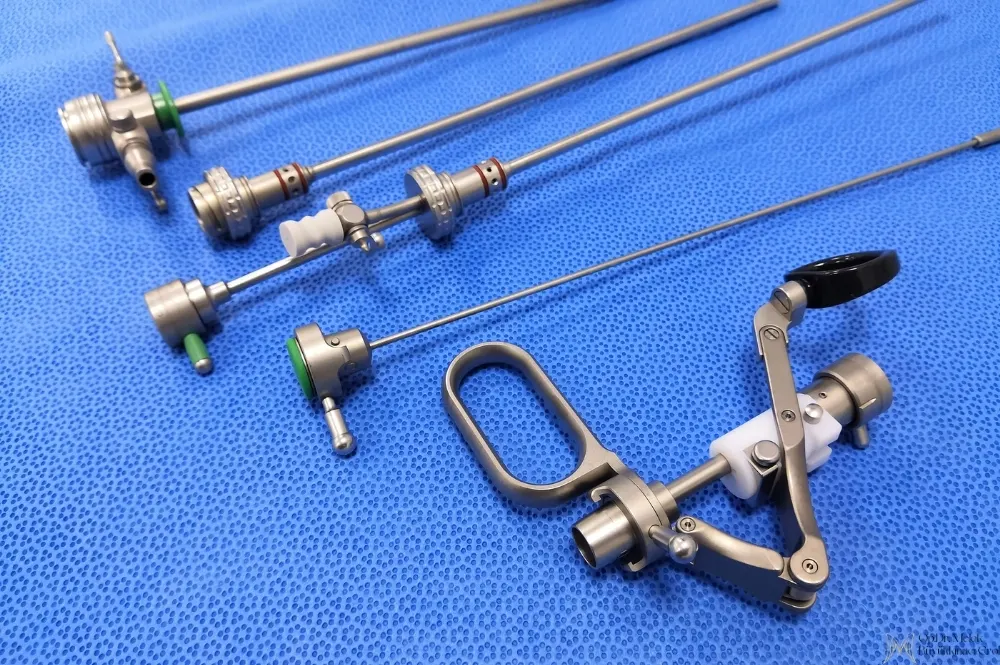
Contents 5
Hysteroscopy
Examination and Treatment of the Inside of the Uterus
What Is Hysteroscopy?
Hysteroscopy is a minimally invasive surgical procedure used to examine the inside of the uterus in detail and to treat any problems found in this area. It is commonly used in the diagnosis and treatment of various gynecological conditions, particularly abnormal uterine bleeding, intrauterine adhesions, polyps, fibroids, and infertility.
How Is Hysteroscopy Performed?
1. Preparation Before the Procedure: Before hysteroscopy, the patient is usually given pain-relieving medication to reduce discomfort. In some cases, the procedure may also be performed under general anesthesia. This ensures that the patient remains comfortable throughout the procedure.
2. Placement of the Speculum: A device called a speculum is placed inside the vagina. This device widens the vagina, allowing better visualization of the cervix and providing a clear path for inserting the hysteroscope.
3. Cervical Dilation: The cervix is usually wide enough for the hysteroscope to pass through. However, when necessary, instruments called dilators are used to widen this area further. This allows the hysteroscope to be inserted into the uterus comfortably.
4. Insertion of the Hysteroscope: A thin, lighted tube called a hysteroscope is inserted into the uterus through the vagina. This device contains a camera and a light source, allowing the doctor to view the inside of the uterus in detail on a screen. This imaging is used to detect any abnormalities within the uterus.
5. Distension of the Uterine Cavity: The uterine cavity is distended to allow the hysteroscope to move more freely within the uterus and to improve image quality. This is usually done using carbon dioxide gas or a special fluid.
6. Examination and Treatment: The hysteroscope allows the structures inside the uterus to be magnified and clearly visualized. Any abnormalities detected, such as polyps or fibroids, are treated using special surgical instruments passed through the hysteroscope. This allows diagnosis and treatment to be carried out at the same time.
7. After the Procedure: Once hysteroscopy is complete, the hysteroscope and speculum are carefully removed. The procedure usually takes between 30 minutes and 1 hour, and patients are most often discharged the same day.
In Which Situations Is Hysteroscopy Performed?
Hysteroscopy is a preferred method for the diagnosis and treatment of various gynecological conditions:
Abnormal Uterine Bleeding: Irregular, heavy, or prolonged bleeding can be a sign of abnormalities inside the uterus. Hysteroscopy is used to determine the cause of such bleeding and to apply the necessary treatment.
Intrauterine Adhesions (Asherman's Syndrome): Adhesions within the uterus can lead to menstrual irregularities, recurrent miscarriages, and infertility. Hysteroscopy is an effective method for diagnosing and treating these adhesions.
Endometrial Polyps: Polyps, which are abnormal tissue growths inside the uterus, can lead to abnormal bleeding and infertility. Hysteroscopy is used to diagnose these polyps and remove them surgically.
Submucosal Fibroids: Fibroids growing within the uterine wall can cause pain, abnormal bleeding, and fertility problems. Hysteroscopy is used to detect and remove this type of fibroid.
Diagnostic Hysteroscopy: Hysteroscopy can be used to evaluate structural abnormalities within the uterus, congenital malformations, or the thickness of the uterine lining. This method is particularly useful in cases where radiological imaging methods are not sufficient.
Infertility Evaluation: Hysteroscopy can also be used to investigate the causes of infertility and to diagnose abnormalities within the uterus. This allows any potential uterine problems to be addressed before infertility treatment begins.
Recovery After Hysteroscopy and IVF Treatment
The recovery time after hysteroscopy varies depending on the type of procedure performed. If the hysteroscopy was performed solely for diagnostic purposes, IVF treatment can begin in the next menstrual cycle. However, if a therapeutic procedure was performed, such as removal of a polyp or fibroid or clearing of adhesions, it is recommended not to begin IVF treatment until recovery is complete. This recovery period usually ranges from 1 to 3 months.
Advantages of Hysteroscopy
Minimally Invasive: This method is performed without the need for large incisions, resulting in less trauma and faster recovery.
Short Recovery Time: After hysteroscopy, patients are usually able to return to their normal activities within a short time.
Diagnosis and Treatment Together: Hysteroscopy allows both diagnosis and treatment to be carried out in the same session, saving time for the patient and reducing the need for additional procedures.
Hysteroscopy is a reliable, effective, and minimally invasive method for diagnosing and treating abnormalities inside the uterus. It plays an important role in resolving gynecological problems such as abnormal uterine bleeding, infertility, polyps, and fibroids. Hysteroscopy is frequently chosen, particularly for patients planning IVF treatment, to correct structural problems within the uterus and to improve treatment success rates. The fast recovery time and low risk of complications offered by this method make hysteroscopy an indispensable tool in gynecological surgery.