
 En
En Tr
Tr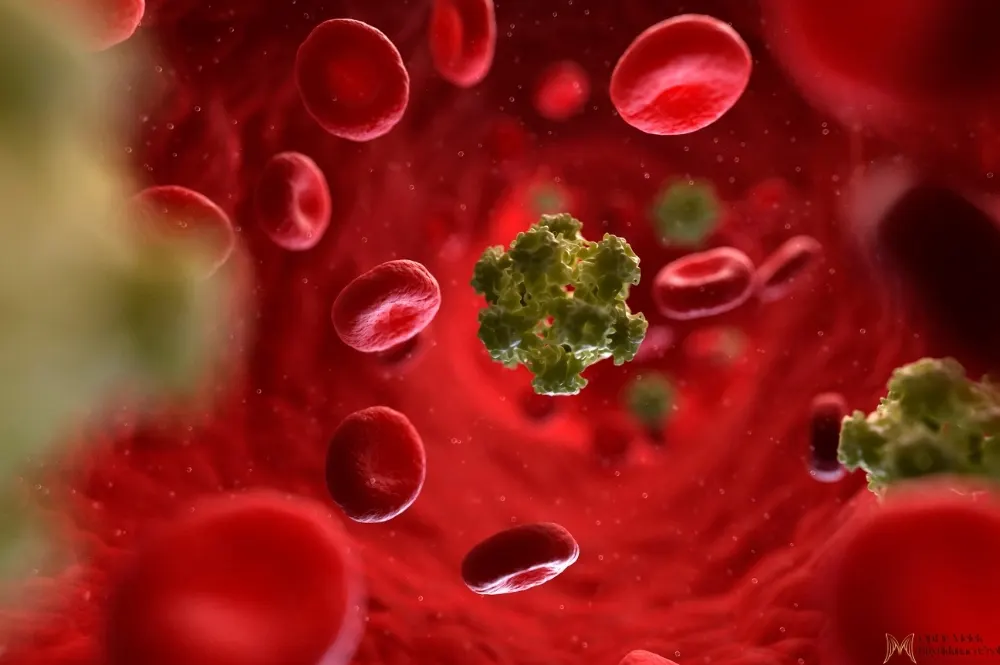
Contents 11
What Is HPV?
HPV Infection
HPV, also known as the genital human papillomavirus, is transmitted through sexual contact. It is a viral infection responsible for the development of genital warts (known as “condylomas”) and cancers of the genital region, and it must always be taken seriously. It is seen with increasing frequency in our country, particularly among younger age groups.
What Is HPV? HPV is a virus that affects the skin and mucous membranes, is transmitted through sexual contact, and frequently causes infection in the genital region. More than 300 subtypes of HPV are currently known and classified.
Low-risk types: HPV types 6 and 11 most commonly cause genital warts. While HPV 6 and HPV 11 are known as low-risk types, their cancer risk is low.
High-risk types: HPV types 16, 18, 31, 33, 35, and 52 are high-risk HPV types that lead to cellular changes in the cervix. The most common and high-risk types are HPV 16 and HPV 18, which can lead to cancers of the cervix, vulva, vagina, penis, anus, and certain head and neck cancers. The HPV virus is detected in 95% of people with cervical cancer.
HPV infection is the most important cause of cervical cancer, one of the most common cancers among women. For this reason, once genital warts caused by the HPV virus are noticed, treatment should begin without delay and be followed up, with a smear test and, if necessary, colposcopic examinations performed.
What Diseases Does the HPV Virus Cause?
Genital warts (Condyloma acuminata): HPV infection can cause warts in the genital region through certain low-risk types such as HPV 6 and HPV 11. These warts are usually seen on the external genital organs, the anus, and the surrounding areas.
Cervical cancer: HPV infections can lead to the development of cancer and precancerous lesions (LSIL and HSIL) in the cervix. High-risk HPV types in particular have been linked to cervical cancer. With vaccination and early diagnosis, cervical cancer is a disease that can be prevented or successfully treated.
Vulvar, vaginal, penile, and anal cancer: In addition to cervical cancer, the HPV virus can lead to vaginal cancer, external genital region cancer (vulvar cancer), and anal region cancer in women.
In men, it can lead to penile cancer and anal region cancer. High-risk HPV types are associated with these cancer types. The risk of anal cancer is higher in people with HIV infection.
Head and neck cancers: HPV infection can cause cancer in the mouth, throat, tongue, and tonsils, and is now also recognized as a significant factor in lung cancer.
How Is HPV Transmitted?
HPV (Human Papillomavirus) is a virus transmitted through different routes.
Sexual contact: The most common and frequent route of HPV transmission is sexual contact. The HPV virus can be transmitted through vaginal, anal, or oral intercourse with a person carrying the virus. Unprotected intercourse and not being vaccinated increase the risk of HPV transmission.
Skin contact: Some types of the virus can also be transmitted through skin contact. Touching areas where genital warts (condyloma acuminata) are present can cause the infection to spread. HPV types transmitted through contact are low risk.
During childbirth: HPV can be transmitted from a mother with widespread warts to her baby during a normal (vaginal) delivery. In this case, infection and warts may develop in the baby’s throat. To prevent transmission to the baby, the mother is advised to have a cesarean delivery. If the infection was contracted and the warts treated well before delivery, a normal delivery may still be possible.
Sexual objects: There is also a risk of HPV transmission through sexual objects. For this reason, sex toys used by another person should not be shared.
Can HPV Be Transmitted Through Hair Removal Devices or Waxing?
HPV (Human Papillomavirus) is a virus transmitted through direct contact between skin or mucosal surfaces. For this reason, transmission of HPV through surfaces such as hair removal devices or waxing equipment is theoretically possible, although this risk is quite low. The virus usually enters the body through micro-cuts or open wounds in the skin.
Waxing in particular can cause small injuries to the skin, which may increase the risk of transmission. However, paying attention to the hygiene of the devices and materials used can significantly reduce this risk. Using single-use wax applicators or heads, and properly cleaning and sterilizing devices after every use, are important in this regard.
In conclusion, although the likelihood of HPV transmission through hair removal devices or waxing is low, following hygiene rules further reduces this risk.
HPV INFECTION
How Common Is HPV Transmission?
Most people will experience an HPV infection at least once in their lifetime. The transmission rate of HPV is quite high. Worldwide, 70-80% of sexually active adults become infected with HPV at some point in their lives. HPV infection is particularly common among young people aged 15-24.
The frequency of HPV transmission can vary depending on age, sexual activity, the type of virus, and risk factors. The risk of transmission is directly proportional to the number of sexual partners. People with multiple sexual partners may have a higher risk of contracting HPV infection. Each partner may potentially carry different HPV types, which can increase the risk of multiple HPV infections.
People with compromised immunity, such as those with HIV infection or those undergoing cancer treatment, are more likely to become infected with HPV. In individuals who have been previously vaccinated, viral transmission will be lower.
How Is HPV Treated?
Although there is no treatment that targets the HPV (Human Papillomavirus) virus itself, treatment of HPV infection is based on managing the symptoms and complications caused by the infection. Different types of HPV can lead to different health problems, so the treatment approach also varies depending on the resulting lesions:
1. Treatment of Genital Warts:
Genital warts caused by HPV infection can be brought under control with various treatment techniques. The choice of treatment is determined based on factors such as the type, size, and location of the warts.
Topical treatments: Topical medications recommended by a doctor can be used for genital warts. These medications are applied directly to the warts and help them shrink or disappear. Commonly used medications include podophyllin, imiquimod, and sinecatechins.
Cryotherapy: This is a method of treating warts by freezing them. Liquid nitrogen is applied to the warts, causing them to fall off.
Surgical methods: Surgical removal of the warts, laser treatment, or electrocauterization (burning with electric current) can also be used.
2. Cervical Changes:
Precancerous lesions caused by HPV can develop in the cervix or other mucosal areas. Some of the precancerous changes that occur in the cervix are monitored, while others require surgical treatment.
Regular screening: HPV can cause cellular changes that may lead to cervical cancer. For this reason, these changes are monitored with regular Pap smear tests and HPV tests.
Colposcopy: In the case of abnormal Pap smear results, colposcopy may be performed to examine the cervix more closely. Colposcopy is a procedure in which the cervix is evaluated under magnification using an illuminated microscope. A biopsy is taken from the relevant areas under colposcopic guidance to diagnose the cervical change.
Therapeutic interventions: If abnormal cellular changes are detected, the affected areas of the cervix can be removed using methods such as laser treatment, LEEP (Loop Electrosurgical Excision Procedure), or conization.
3. Immune System Support:
Immune system: Most HPV infections are cleared spontaneously by a healthy immune system within a few years. For this reason, adopting a healthy lifestyle (balanced nutrition, regular exercise, adequate sleep, etc.) can help the immune system clear HPV.
4. Vaccines:
Protective vaccines: The HPV vaccine is one of the most effective ways to protect against infection. The vaccine provides protection against the most common and cancer-related types of HPV. The vaccine is generally recommended for adolescents who are not yet sexually active, but it can also be given to adults in certain age groups.
5. Follow-up and Support:
Regular check-ups: People who are HPV positive should be checked regularly by their doctors, and necessary screening tests such as HPV and smear tests should be performed.
Psychological support: Receiving an HPV diagnosis can cause stress and anxiety in some individuals. In such cases, seeking psychological support can be beneficial.