
 En
En Tr
Tr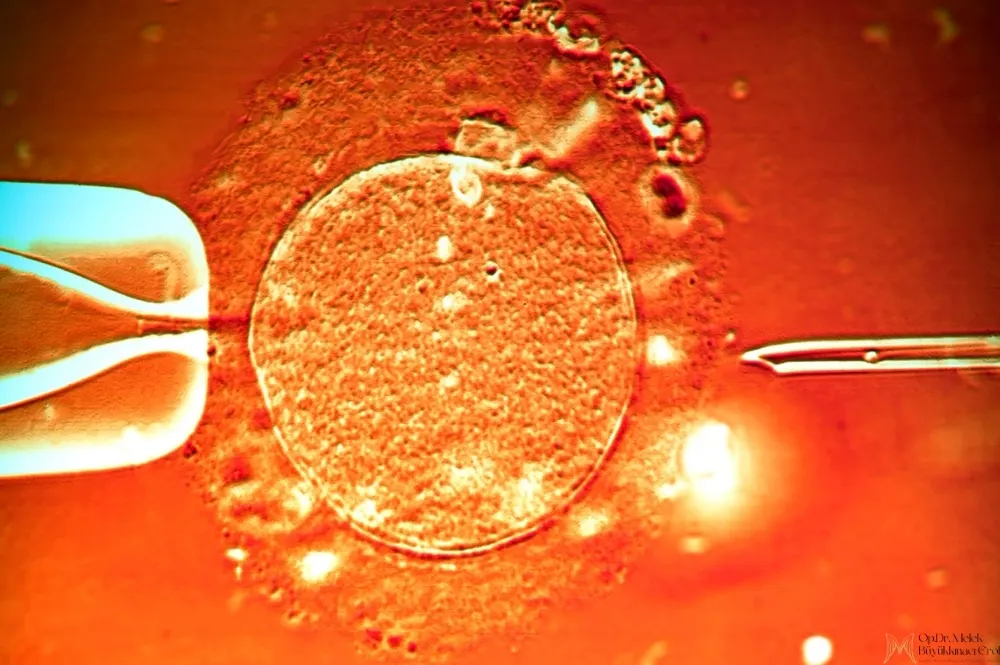
Contents 12
- What Is IVF (In Vitro Fertilization)?
- How Long Does IVF Treatment Take?
- The Antalya IVF Treatment Process and Application Stages
- How Does the IVF Process Work?
- When Is IVF Performed?
- Preparing for IVF Treatment
- What Are the Signs of Implantation After IVF Transfer?
- Medications Used in IVF Treatment
- What Are the Success Factors in IVF Treatment?
- How Is IVF Treatment Performed?
- When Is the Pregnancy Test Performed After IVF Treatment?
- Antalya IVF Prices
What Is IVF (In Vitro Fertilization)?
To answer the question of what IVF is: it is the fertilization of reproductive cells from a woman and a man outside the body. The first baby conceived through IVF, named Louise Brown, was born in England in 1978. For those wondering what IVF stands for, it is short for "In Vitro Fertilization," the English term for tüp bebek (test-tube baby) treatment. In Turkey, as in the rest of the world, advancements in IVF continue rapidly, and thanks to this method, thousands of couples are realizing their dream of becoming parents. For those wanting to learn more about what IVF is, this treatment method opens a door of hope for couples struggling with infertility.
How Long Does IVF Treatment Take?
How long does IVF treatment take? This is one of the questions patients ask most often. Treatment can take an average of 3 to 6 weeks, depending on the woman's menstrual cycle. The IVF treatment process includes stages such as ovarian stimulation, egg retrieval, fertilization, and embryo transfer. Medication started on day 2 or 3 of the menstrual cycle lasts approximately 10-12 days. This is followed by egg retrieval, and embryo transfer 3 to 5 days later. A pregnancy test is performed within 10 days after the transfer. While it is difficult to give a precise answer to how long IVF treatment takes, including preliminary preparation and check-ups, it typically takes about a month in total. However, the answer to how long IVF treatment takes can vary depending on individual circumstances.
The Antalya IVF Treatment Process and Application Stages
The IVF treatment process in Antalya is a multi-stage treatment method planned according to the couple's health status and the cause of infertility. Thanks to the modern techniques applied at IVF centers in Antalya, many couples are able to achieve a healthy pregnancy. The IVF treatment process in Antalya generally consists of the following stages:
- Detailed medical evaluation of the couple and investigation of the cause of infertility
- Stimulation of the ovaries with medication and monitoring of follicle development
- Retrieval of the eggs (OPU procedure)
- Fertilization in the laboratory (IVF or ICSI)
- Monitoring of embryo development
- Transfer of the embryo into the uterus
- Pregnancy testing and follow-up after transfer
At IVF centers in Antalya, patients are closely monitored throughout the treatment process, and the necessary medical support is provided at every stage.
How Does the IVF Process Work?
To answer the questions of how the IVF process works and what the stages of IVF are: IVF treatment consists of three main stages. The first stage begins with stimulating the ovaries with medication in order to produce a larger number of egg cells. The second step in the IVF stages is the retrieval of these eggs and their fertilization in the laboratory to create embryos. The third stage is the transfer of the fertilized embryos into the uterus. A pregnancy test is performed 10-12 days after the transfer. For more detailed information on how the IVF process works, you can watch the video we have prepared. Throughout the IVF stages, the patient is closely monitored and given the necessary support at every step.
When Is IVF Performed?
The question of when IVF is performed is important for couples curious about treatment timing. Treatment generally begins on day 2 or 3 of the woman's menstrual cycle. When deciding when to perform IVF, the couple's age, the cause of infertility, and their general health status are evaluated. Your specialist will give you the most accurate answer regarding when IVF should be performed, based on your specific situation.
Preparing for IVF Treatment
Steps to take in preparation for treatment:
- If you smoke, you should quit. Alcohol consumption should be avoided. Caffeinated beverages should not exceed 200mg per day.
- Weight should be kept under control. Being overweight or underweight can reduce the chance of pregnancy.
- A multivitamin containing folic acid, and antioxidant products if necessary, should be started.
- Effective communication can reduce stress and anxiety, and professional support should be sought when needed.
- Attention should be paid to sleep patterns.
- A Mediterranean-style diet can be beneficial. Processed foods should be avoided, and plenty of greens, fruit, and vegetables should be consumed.
- Laboratory tests required before treatment should be completed. (Hormone tests, Hepatitis B – Hepatitis C screening, HIV, Rubella IgG, blood values, ferritin, blood type, vitamin D, blood sugar, etc.)
What Are the Signs of Implantation After IVF Transfer?
Signs of implantation after IVF transfer can offer clues about whether pregnancy has occurred, although these can vary from woman to woman. Signs of pregnancy in IVF generally begin 6-10 days after transfer. This is when the embryo successfully implants in the uterus. Signs of implantation after IVF transfer can include mild pelvic and abdominal pain, breast tenderness, and light spotting. Signs of pregnancy in IVF that may be observed during this period include:
- Mild pelvic and abdominal pain
- Breast tenderness or a feeling of fullness
- Light spotting (implantation bleeding)
- A slight rise in body temperature
- Fatigue, dizziness, or emotional fluctuations
Signs of implantation after IVF transfer do not always guarantee pregnancy. A definitive result requires a blood pregnancy test (beta-hCG) performed 10 days after transfer. Even without any signs of pregnancy in IVF, the test can still come back positive, which is why it is important to wait for the test.
Medications Used in IVF Treatment
The medications used in IVF treatment aim to stimulate the woman's ovaries so that multiple eggs develop. Although this varies depending on the treatment process, the most commonly used medication groups are:
- Ovarian stimulants: Injections containing FSH and LH hormones
- Ovulation triggers (trigger shot): Medications containing hCG
- GnRH analogues: Used to prevent premature ovulation
- Progesterone support: Supports the uterine lining after embryo transfer
In answering questions such as how IVF is performed and how the IVF process works, the medication protocol is at the center of the treatment plan and is tailored individually to each patient.
What Are the Success Factors in IVF Treatment?
The success of IVF treatment depends on many factors. Choosing the best IVF doctor is one of these factors. The following elements significantly affect the chance of pregnancy:
- The woman's age: success rates are higher in women under 35
- Egg and sperm quality
- Embryo quality and the number of embryos transferred
- Presence or absence of structural problems within the uterus
- Experience of the IVF center and physician
- Nutrition, stress, sleep, and lifestyle factors
The best IVF doctor follows the patient closely at every stage of the process and creates a personalized treatment plan. While success rates vary from person to person, under favorable conditions fertilization rates in IVF can reach 60-70%, and pregnancy rates can reach 40-50%. When researching the best IVF doctor, the specialist's experience and patient satisfaction are important criteria.
How Is IVF Treatment Performed?
Ovarian Stimulation
The first stage in answering how IVF treatment is performed is ovarian stimulation. In the IVF process, this stage typically lasts 10-12 days on average. On the second or third day of the menstrual period, an ultrasound examination and blood hormone testing are performed. The dose of medication to be used is then determined. Patients are informed about how IVF treatment is performed, and the egg-stimulating injection is administered subcutaneously at the same time each day, four fingers to the side of the navel, to promote egg growth. Through a special training program we provide for our IVF patients, many of our patients are able to administer their own injections at home. However, for patients who are unable to self-administer, injections are given by our experienced IVF nurses at the clinic. On certain days of treatment, the patient is called in for check-ups at specific intervals. During these check-ups, vaginal ultrasonography is performed to monitor the number and size of the developing follicles (the fluid-filled sacs containing the eggs). Following ovarian monitoring, it may be necessary to measure estrogen levels in the blood. The goal here is to obtain as many follicles as possible with a diameter of 16-20 mm. Once the follicles reach adequate size, an hCG and/or GnRH agonist injection (trigger shot) is administered to promote egg maturation. Egg retrieval is performed 34-36 hours after the trigger shot.
Egg Retrieval Procedure (OPU)
Egg retrieval (oocyte pickup – OPU) is a procedure in which a needle is guided into the ovary via vaginal ultrasound to drain the fluid-filled structures, called follicles, that contain the eggs. This stage is quite important in the IVF process. It is usually performed under general anesthesia, although in some cases local anesthesia may also be used. The OPU procedure takes about 10-15 minutes. Unfortunately, an egg is not always found in every follicle. Generally, about 70% of follicles contain an egg. A few hours after egg retrieval, the eggs are assessed to determine whether they are mature. Mature eggs are then fertilized using either classical IVF or ICSI. The patient rests for 2 hours after the egg retrieval procedure before being discharged.
Information Before the Egg Retrieval Procedure
- Injections must be administered on the specified day and time.
- You should not eat or drink anything after midnight before the operation (this includes small amounts of water, chewing gum, and smoking).
- Please arrive at our clinic 30 minutes before your appointment time.
- Do not drive on the day of the operation, as you will be given anesthesia.
- Please make sure to come accompanied by an adult on the day of the procedure.
- Do not bring valuables with you. Do not carry valuable items such as credit cards or cash, and remove jewelry such as rings and necklaces.
- Please shower at home before coming in.
Important!: The dose and timing of the medication used to mature the eggs are very important. In the event of an error, the egg retrieval procedure may not be successful and could result in no eggs being obtained at all.
Day of the Operation
Anesthesia Information
- Do not eat, drink, or smoke anything starting 6 hours before the operation.
- If you are taking any regular medication, use it as advised by the anesthesiologist.
- If you have a fever or feverish illness, be sure to inform the anesthesiologist before the operation.
Immediately Before the Operation
- Go to the restroom and empty your bladder
- Remove dentures, if you have any
- Remove contact lenses, if you wear them
- Remove your watch and jewelry
- Remove makeup and nail polish
After the Operation You will rest until you have recovered. You will be given the necessary information about what to do once the procedure is complete. You may then leave the clinic. For 12 hours after the operation:
- Do not drive!
- Avoid activities that require attention and focus!
At Home
- After the egg retrieval procedure, you may experience pelvic cramping and a small amount of bleeding.
- Rest is important after the egg retrieval procedure. For this reason, avoid heavy and strenuous activities.
- If you experience pain, you may use the pain relievers recommended by your doctor.
- Call your doctor if you experience symptoms such as fever, nausea, vomiting, or severe pain.
- You may take a shower whenever you wish.
- While no special diet is required, try to drink plenty of fluids.
- Do not consume alcohol.
- Sexual abstinence is recommended for a period of time after the OPU procedure. The uterus and ovaries may be sensitive after the procedure, so avoiding sexual activity can reduce the risk of infection.
- If you experience severe, persistent pelvic pain, nausea, vomiting, or heavy vaginal bleeding, contact us immediately without delay…
Sperm Collection
There is no issue with continuing your normal sexual life up until the trigger shot is given. Sexual intercourse is not recommended during the period between the trigger shot and egg retrieval. At the same time, a period of sexual abstinence longer than a week is also not preferred, as this can negatively affect sperm quality. A sperm sample is also collected from the male partner during the egg retrieval procedure. The sample is collected in a specially prepared room, through masturbation, into a sterile container. Substances such as soap or saliva should not be used. Bringing a sample from home is generally not recommended, except in special circumstances.
Sperm Preparation
Sperm samples undergo various processes to identify normal, motile sperm. In classical IVF treatment, 25,000-75,000 sperm are placed near each egg, and fertilization is expected to occur naturally. In Intracytoplasmic Sperm Injection (ICSI), however, a single sperm is injected directly into each egg under microscopic conditions.
Fertilization – IVF – ICSI
Fertilization takes place using either classical IVF or the microinjection (ICSI) method. In the IVF process, this occurs approximately 2-4 hours after the eggs are retrieved. In classical IVF treatment, the sperm placed alongside the eggs are expected to fertilize the egg on their own. This method is used when the male partner's sperm parameters are normal. In ICSI, a single sperm is injected into the egg with the help of a special instrument called a micromanipulator. This procedure is preferred for patients with low sperm values or those who have experienced repeated IVF failures. Fertilization occurs within an average of 12-15 hours and is confirmed under the microscope. The fertilized eggs are monitored until the time of transfer. In some cases, eggs may fail to fertilize, or a healthy embryo may not form. In such cases, the transfer will be cancelled. The fertilization rates of the eggs and the quality and number of the developing embryos will be shared with you by your physician. On average, about 70% of the retrieved eggs are mature and suitable for fertilization. Of these, approximately 70% will fertilize.
When Is the Pregnancy Test Performed After IVF Treatment?
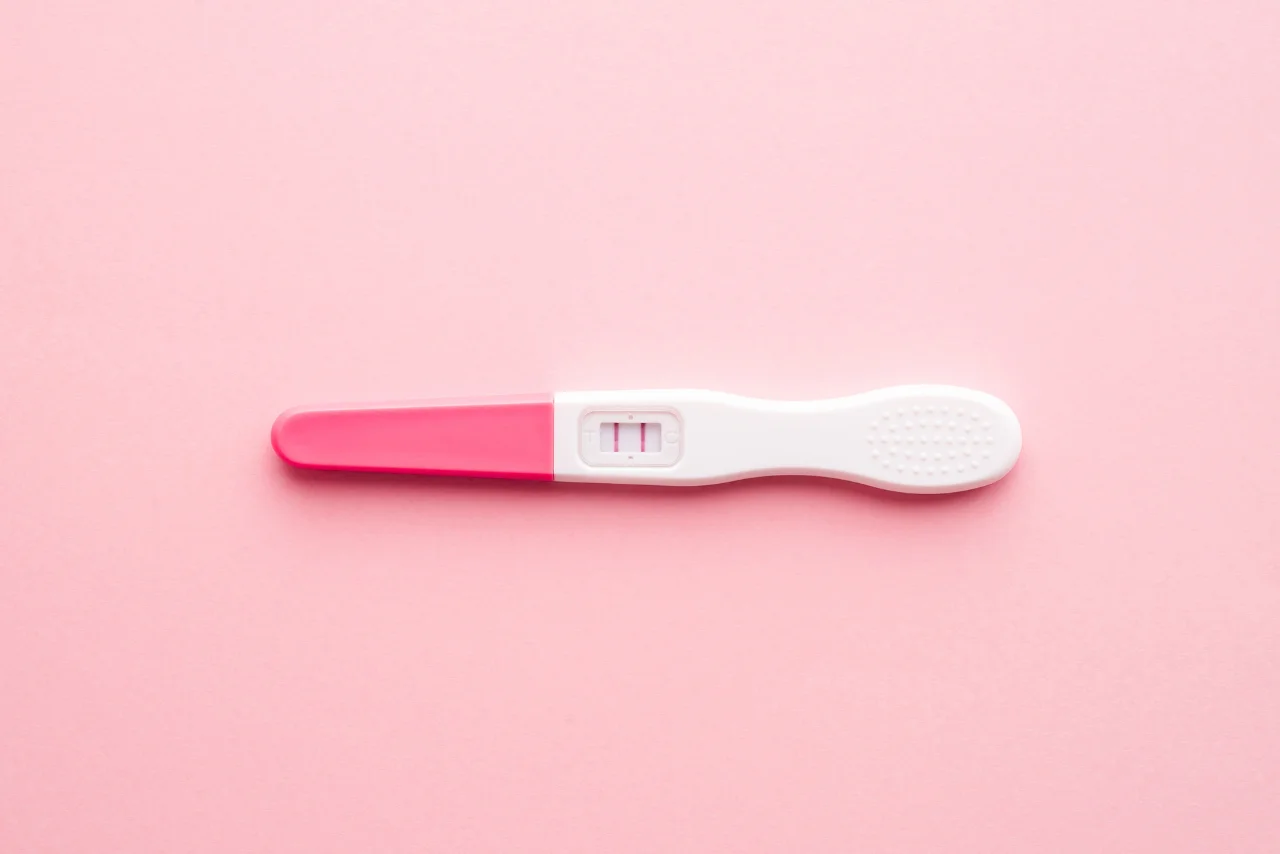
A blood pregnancy test (beta-hCG) is performed on the 10th day after transfer. Patients with a positive result are called back two days later for a repeat blood pregnancy test. In a healthy pregnancy, the beta-hCG value in the blood should roughly double after two days. If there is no consistent rise in beta-hCG values, the patient is monitored with serial beta-hCG tests. One week later, the patient is called in for the first pregnancy ultrasound. In this first ultrasound, the gestational sac and the presence of a multiple pregnancy can be observed. Bleeding does not necessarily mean that pregnancy has not occurred. A definitive diagnosis is made through the blood pregnancy test. In the case of a biochemical pregnancy or an ectopic pregnancy, no gestational sac will be seen. This can be distinguished through serial beta-hCG and ultrasonography follow-up. If the pregnancy test is negative: As disappointing as a negative result may be, it is not the end of the world. Remember that, worldwide, even under the best conditions, pregnancy rates per IVF attempt do not exceed 50%.
Antalya IVF Prices
IVF treatment costs and IVF prices in Antalya can vary depending on the treatment protocol applied, the medications used, additional services such as embryo freezing and genetic testing, and the couple's individual health status. Among the factors that people wonder about regarding IVF prices, the technological infrastructure of the treatment center and the experience of the medical team are also important factors affecting cost. When choosing an IVF center in Antalya, the center's success rate, the experience of its specialist staff, and the support services offered at every stage of the process should definitely be taken into consideration. Experienced IVF centers in Antalya support couples with modern technology and expert staff. To get clear and personalized information about IVF prices in Antalya, the best approach is to speak directly with specialists providing IVF services in Antalya. For detailed information about IVF prices and to create a treatment plan tailored to you, you can contact Op. Dr. Melek Büyükkınacı, a Gynecology, Obstetrics, and IVF Specialist who has been successfully providing IVF services in Antalya for many years.