
 En
En Tr
TrGroin pain is a fairly common complaint among women and can arise from many different causes. Pain in this sensitive area, where the abdomen meets the legs, may sometimes present as a mild discomfort, while at other times it can be severe enough to seriously interfere with daily activities. With causes ranging from musculoskeletal problems to gynecological conditions, and from digestive issues to urinary tract infections, groin pain can offer clues to an underlying health problem. For this reason, it is especially important for groin pain that is recurrent, worsening, or accompanied by other symptoms to be evaluated by a doctor.
Contents 7
Ovulation Pain
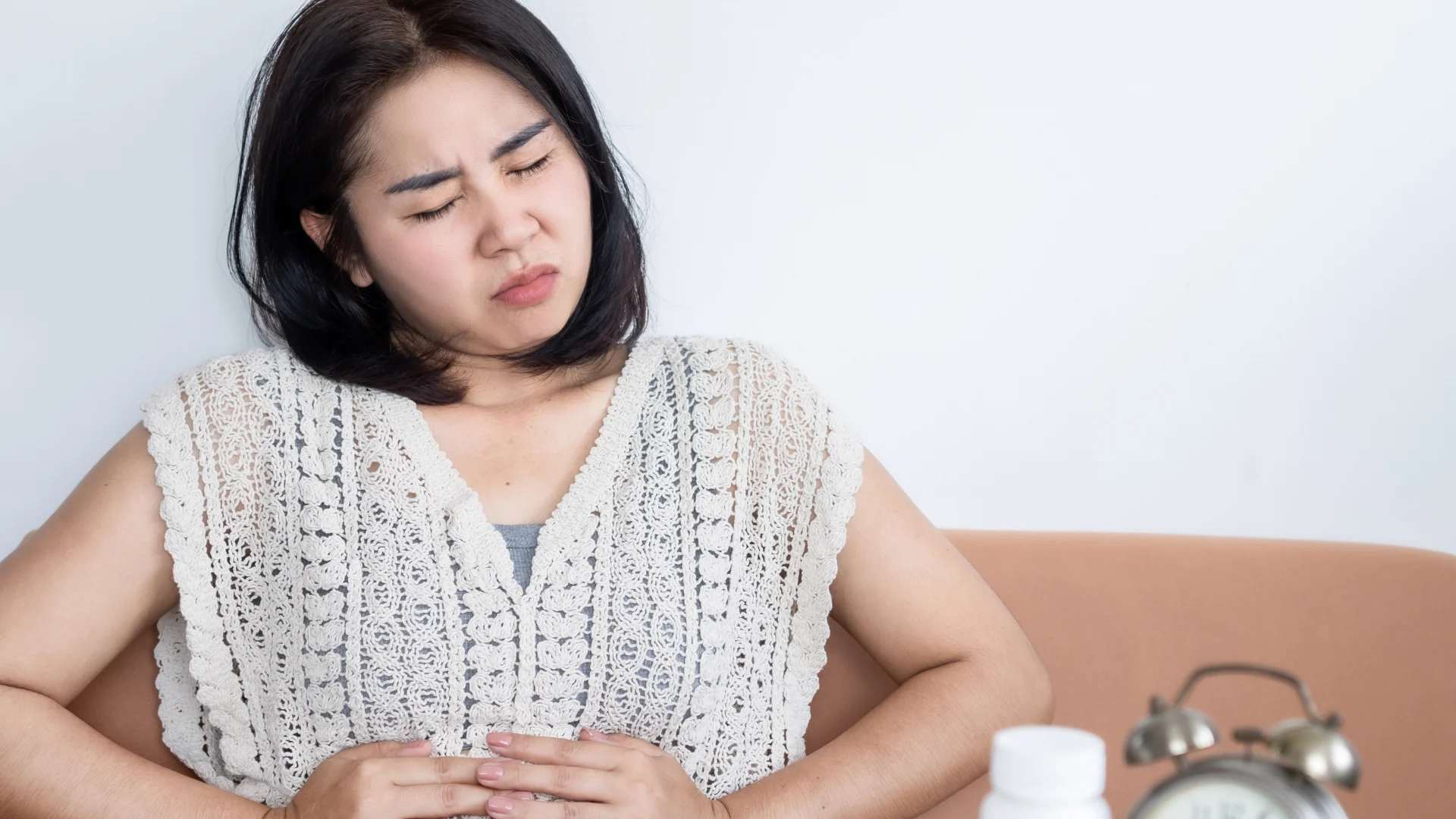 Pain experienced during ovulation is one of the most common answers to the question of what causes groin pain in women. Also known as Mittelschmerz, this occurs each month during ovulation, when an egg is released from the ovary. It typically occurs around the middle of the menstrual cycle, around day 14, and is experienced by about 20% of women. Ovulation pain is usually felt on one side of the groin and may be localized to the right or left side depending on which ovary is ovulating. The pain can be sharp, crampy, or present as mild discomfort. While it lasts anywhere from a few minutes to a few hours in most women, in some cases it can continue for a day or two.
Menstrual Cramps
Menstrual cramps, or dysmenorrhea, are one of the most frequently encountered causes of groin pain. This pain, which begins just before or during menstruation, occurs when uterine contractions are triggered by prostaglandin hormones. The vast majority of women experience menstrual cramps at some point in their lives, and this is especially common among younger women.
Ovarian Cyst
Ovarian cysts, which are common especially in women of reproductive age, are another answer to what causes severe groin pain. These fluid-filled sacs that form in the ovaries are mostly harmless and tend to resolve on their own. However, some cysts can grow larger or rupture, causing significant pain. Small cysts usually produce no symptoms, while larger ones can cause one-sided groin pain, a feeling of bloating, and abdominal fullness. A sudden, sharp pain can occur if a cyst ruptures or if ovarian torsion (twisting of the ovary) takes place. In such cases, ovarian cyst complications may be the answer to what causes abdominal and groin pain. Treatment can range from monitoring to surgery, depending on the cyst’s size, type, and the severity of symptoms.
Endometriosis
Endometriosis is a condition in which the tissue that forms the lining of the uterus grows outside the uterus in other organs, and it is a significant cause of groin pain in women. It can develop in areas such as the ovaries, fallopian tubes, pelvic region, and intestines in particular. This chronic disease, which affects about 10% of women of reproductive age, is important for women’s health. Endometriosis can also be the answer to what causes lower back and groin pain, since pain from this condition often radiates to the lower back as well. Laparoscopy is the gold standard method for diagnosis, although physical examination and imaging techniques can also be used. Treatment may include hormone therapy, pain relievers, and, in some cases, surgical intervention.
Pelvic Infection
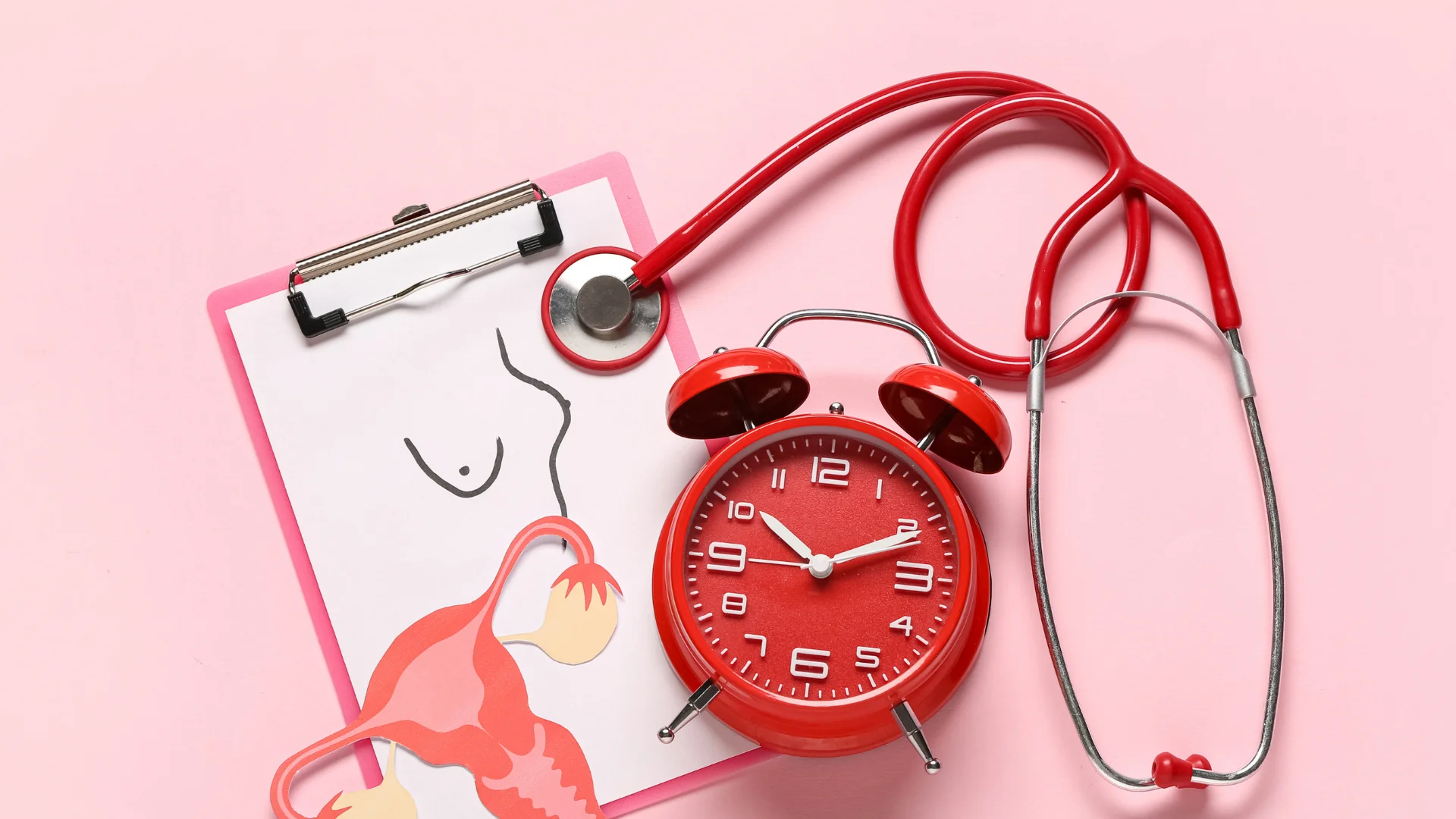 Pelvic inflammatory disease (PID), or pelvic infection, is a serious condition that develops as a result of infection of the upper reproductive organs and is one of the causes of severe groin pain that requires urgent medical attention. It usually occurs when sexually transmitted bacteria spread from the vagina and cervix to the uterus, fallopian tubes, and ovaries. If left untreated, it can increase the risk of chronic pelvic pain, infertility, and ectopic pregnancy. The most notable symptom of pelvic infection is constant, dull, or cramping pain in the lower abdomen and groin, usually felt on both sides. Pelvic infection should be considered as a possible cause of abdominal and groin pain, especially when the pain is accompanied by fever, chills, abnormal vaginal discharge, bleeding, pain during intercourse, or a burning sensation while urinating. Diagnosis can involve a pelvic examination, blood tests, and imaging methods.
Ectopic Pregnancy
Ectopic pregnancy occurs when a fertilized egg implants outside the uterus, usually in a fallopian tube, and it is a life-threatening cause of groin pain that requires emergency medical attention. Since a normal pregnancy cannot develop in this situation, if left untreated it can lead to rupture of the tube and internal bleeding, creating a life-threatening emergency. Early signs of ectopic pregnancy include sharp, one-sided groin pain, a missed period, vaginal bleeding, and a positive pregnancy test. Beta-hCG hormone levels and transvaginal ultrasound are used for early diagnosis. Treatment can involve medication or surgery, depending on the size and location of the pregnancy. Risk factors may include a history of pelvic infections, a previous ectopic pregnancy, tubal surgery, and certain contraceptive methods.
Ligament Strain During Pregnancy
One of the most common causes of groin pain during pregnancy is round ligament pain, and it is one of the most natural answers to what causes groin pain in women during pregnancy. The round ligaments that support the uterus stretch and thicken as the baby grows, which can cause pain. This is particularly noticeable during the second trimester. The pain is usually brief, lasting anywhere from a few seconds to a few minutes. During pregnancy, the answer to what causes lower back and groin pain can include ligament strain as well as the added weight of the growing uterus placing extra load on the back muscles. Gentle stretching exercises, warm compresses, and changing position slowly can provide relief. If any of these conditions that can cause groin pain persists or worsens, it should always be evaluated and treated by a doctor.