
 En
En Tr
TrAbdominal pain during pregnancy is one of the most common complaints seen by obstetricians. A significant number of expectant mothers experience mild to moderate pain at different stages of pregnancy. However, since not every abdominal pain has the same cause, it is essential to distinguish between physiological and pathological causes.
As the uterus (womb) grows throughout pregnancy, hormonal changes and the stretching of abdominal tissues can cause various sensations of discomfort. However, some types of pain may be warning signs of serious obstetric conditions such as miscarriage, ectopic pregnancy, or preterm labor. For this reason, the character of the pain, its duration, and any accompanying symptoms should be carefully evaluated.
Contents 7
- What Is Abdominal Pain During Pregnancy?
- Is Abdominal Pain Normal in the Early Weeks of Pregnancy?
- Normal Causes of Abdominal Pain During Pregnancy
- Which Types of Abdominal Pain During Pregnancy Are Not Normal?
- When Should You See a Doctor?
- Ways to Relieve Abdominal Pain During Pregnancy
- How Normal Is Abdominal Pain During Pregnancy?
What Is Abdominal Pain During Pregnancy?
Abdominal pain during pregnancy can be described as discomfort, pressure, cramping, or pain felt in the abdominal or pelvic area (the lower abdomen and groin region). This pain can range from a mild pulling sensation to more pronounced complaints that affect daily life.
In obstetric assessment, the location, duration, frequency, and accompanying symptoms of the pain are important criteria. Pain felt particularly in the lower abdomen is usually caused by anatomical changes related to pregnancy, although in some cases underlying medical causes need to be investigated.
In many cases evaluated in obstetric practice, the answer to the question expectant mothers often ask — is abdominal pain during pregnancy normal — depends on the clinical characteristics of the pain. For this reason, it is not the presence of pain alone that matters, but also the findings that accompany it.
Is Abdominal Pain Normal in the Early Weeks of Pregnancy?
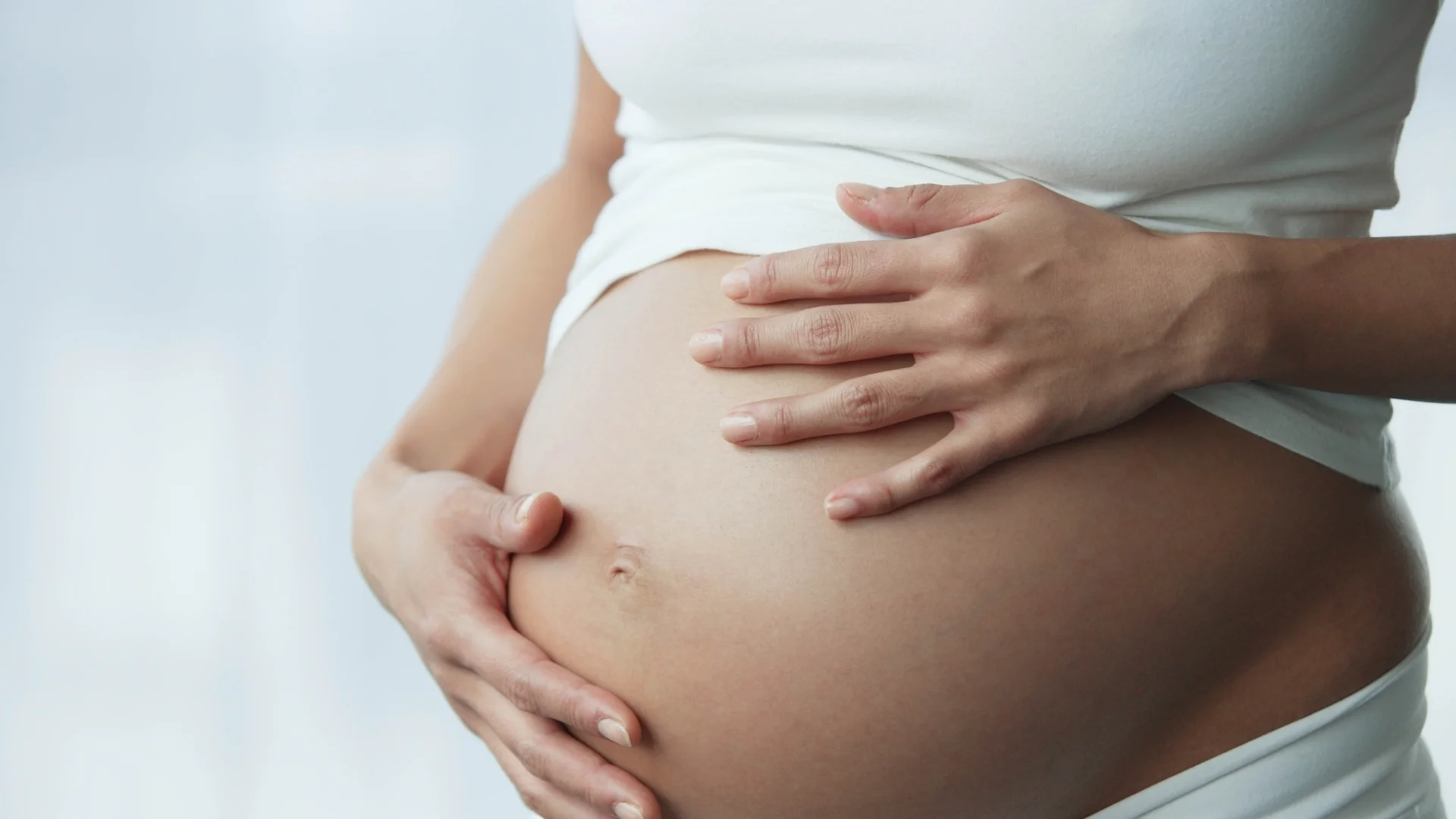
Mild cramping in the groin and abdomen seen in early pregnancy is often related to implantation (the embryo attaching to the uterine wall) and hormonal changes. In particular, the rise in beta hCG hormone and the structural changes beginning in the uterus can cause cramps similar to menstrual pain.
Pain occurring in the first weeks is generally short-lived, mild in intensity, and tends to resolve on its own. These symptoms, felt while the uterine tissue adapts to pregnancy, can be observed in many healthy pregnancies.
The question expectant mothers frequently search for — is abdominal pain in the early weeks of pregnancy normal — can usually be answered positively in most healthy pregnancies. However, if the pain is one-sided, becomes more severe, or occurs together with vaginal bleeding, a medical evaluation should be carried out to rule out ectopic pregnancy or the threat of miscarriage. Monitoring symptoms that appear in the early period under specialist supervision is an important part of safe pregnancy management.
Normal Causes of Abdominal Pain During Pregnancy
A significant portion of the pain that occurs during pregnancy stems from physiological changes. As the body adapts to the growing fetus, changes affecting the muscles, connective tissues, and internal organs can cause various types of discomfort.
Causes of abdominal pain that are considered normal include the following:
- Tissue stretching caused by the growth of the uterus.
- Stretching of the round ligament (the connective tissue supporting the uterus).
- Slowing of bowel movements caused by the progesterone hormone.
- Gas buildup and abdominal distension (bloating).
- Intestinal pressure caused by constipation.
- Temporary discomfort caused by the baby’s movements.
- Braxton Hicks contractions (false labor contractions).
Pain caused by these factors is usually short-lived, mild in intensity, and tends to ease with rest. In expectant mothers who show no obstetric risk during regular check-ups, these types of complaints are generally regarded as part of the natural course of pregnancy.
Which Types of Abdominal Pain During Pregnancy Are Not Normal?
Some types of abdominal pain can be a sign of serious conditions that may affect the health of the mother and baby. Pain that begins suddenly, gradually worsens, or occurs together with other clinical findings should be carefully examined.
The following symptoms are among those that are not considered normal:
- Severe and persistent abdominal pain.
- Pain accompanied by vaginal bleeding.
- One-sided pain with a sharp character.
- Abdominal discomfort accompanied by high fever.
- A feeling of fainting or severe dizziness.
- Strong uterine contractions occurring at regular intervals.
- Burning and pain during urination.
- Pain accompanied by severe nausea and vomiting.
These symptoms may be related to conditions such as ectopic pregnancy, placental problems, urinary tract infections, or preterm labor. For this reason, pain considered unusual should be brought to a specialist’s attention without delay.
When Should You See a Doctor?
The most important point in evaluating pain complaints during pregnancy is the accurate analysis of accompanying symptoms. In some cases, early intervention can help prevent both maternal (related to the mother) and fetal (related to the baby) complications.
You should see an obstetrician-gynecologist without delay in the following situations:
- The pain gradually becoming more severe.
- Vaginal bleeding or heavy spotting.
- Fever, chills, or signs of infection accompanying the pain.
- Suspected leakage of amniotic fluid.
- A noticeable decrease in the baby’s movements.
- Shortness of breath or a feeling of fainting.
- The onset of regular, painful contractions.
Early evaluation during pregnancy follow-up can help bring many complications under control. For this reason, it is important for expectant mothers not to ignore suspicious symptoms and to follow their doctor’s recommendations.
Ways to Relieve Abdominal Pain During Pregnancy
Mild pain caused by normal physiological factors can often be managed with certain lifestyle adjustments. However, the recommendations of the physician following the pregnancy should be taken into account before applying any of these measures.
The following methods may help relieve abdominal pain:
- Making sure to drink enough fluids.
- Eating regular, balanced meals.
- Avoiding staying immobile for long periods.
- Taking gentle walks.
- Eating foods rich in fiber.
- Avoiding sudden movements.
- Practicing pregnancy exercises recommended by your doctor.
These recommendations can be particularly helpful for pain related to bowel discomfort and connective tissue stretching. Even so, if complaints persist or worsen, a new medical evaluation should always be carried out.
How Normal Is Abdominal Pain During Pregnancy?
A large proportion of the abdominal pain seen during pregnancy stems from physiological changes and usually does not indicate a serious health problem. Mild pain arising from the growth of the uterus, ligament stretching, and hormonal effects is a common finding in healthy pregnancies.
That said, the severity and duration of the pain, along with any accompanying symptoms, should always be taken into account. The answer to the question expectant mothers frequently ask — is abdominal pain during pregnancy normal — can be determined through clinical evaluation. Further investigation may be required, particularly if symptoms such as bleeding, fever, regular contractions, or severe pain are present.
In conclusion, while abdominal pain during pregnancy is often part of the natural process, not every instance of pain should be assessed the same way. Keeping up with regular pregnancy check-ups, recognizing unusual symptoms early, and consulting an obstetrician-gynecologist in Antalya represent the safest approach to protecting the health of both mother and baby.
