
 En
En Tr
TrPregnancy is an extremely sensitive and important period, both for the health of the expectant mother and for the development of the baby. During this time, the body’s need for energy, vitamins, and minerals increases. For this reason, eating habits during pregnancy need to be consciously and carefully planned. A balanced and varied nutrition plan supports the baby’s healthy development while also helping the expectant mother feel more energetic and well.
A properly planned pregnancy nutrition routine includes a balanced intake of protein, vitamins, minerals, and healthy fats. It is also just as important to know which foods should be avoided as it is to know which foods should be included.
Contents 9
- Why Is Nutrition Important During Pregnancy?
- What Should Daily Nutrition Look Like During Pregnancy?
- Essential Food Groups to Consume During Pregnancy
- The Importance of Protein Intake During Pregnancy
- Vitamin and Mineral Needs During Pregnancy
- Sources of Folic Acid, Iron, and Calcium During Pregnancy
- Foods to Avoid During Pregnancy
- How Much Water Should Be Consumed During Pregnancy?
- Healthy Snack Recommendations During Pregnancy
Why Is Nutrition Important During Pregnancy?
Nutrition during pregnancy does not only meet the expectant mother’s needs; it also directly affects the baby’s organ development, immune system, and brain development. This is why the question of how to eat during pregnancy is one of the topics expectant mothers are most curious about.
The main benefits of healthy eating during pregnancy include:
- Supports the baby’s healthy growth and development.
- Helps keep birth weight within an ideal range.
- Reduces the expectant mother’s risk of anemia and vitamin deficiency.
- Strengthens the immune system.
- Helps prevent certain health problems that may arise during pregnancy.
In short, following regular and balanced nutrition tips during pregnancy builds a strong health foundation for both mother and baby.
What Should Daily Nutrition Look Like During Pregnancy?
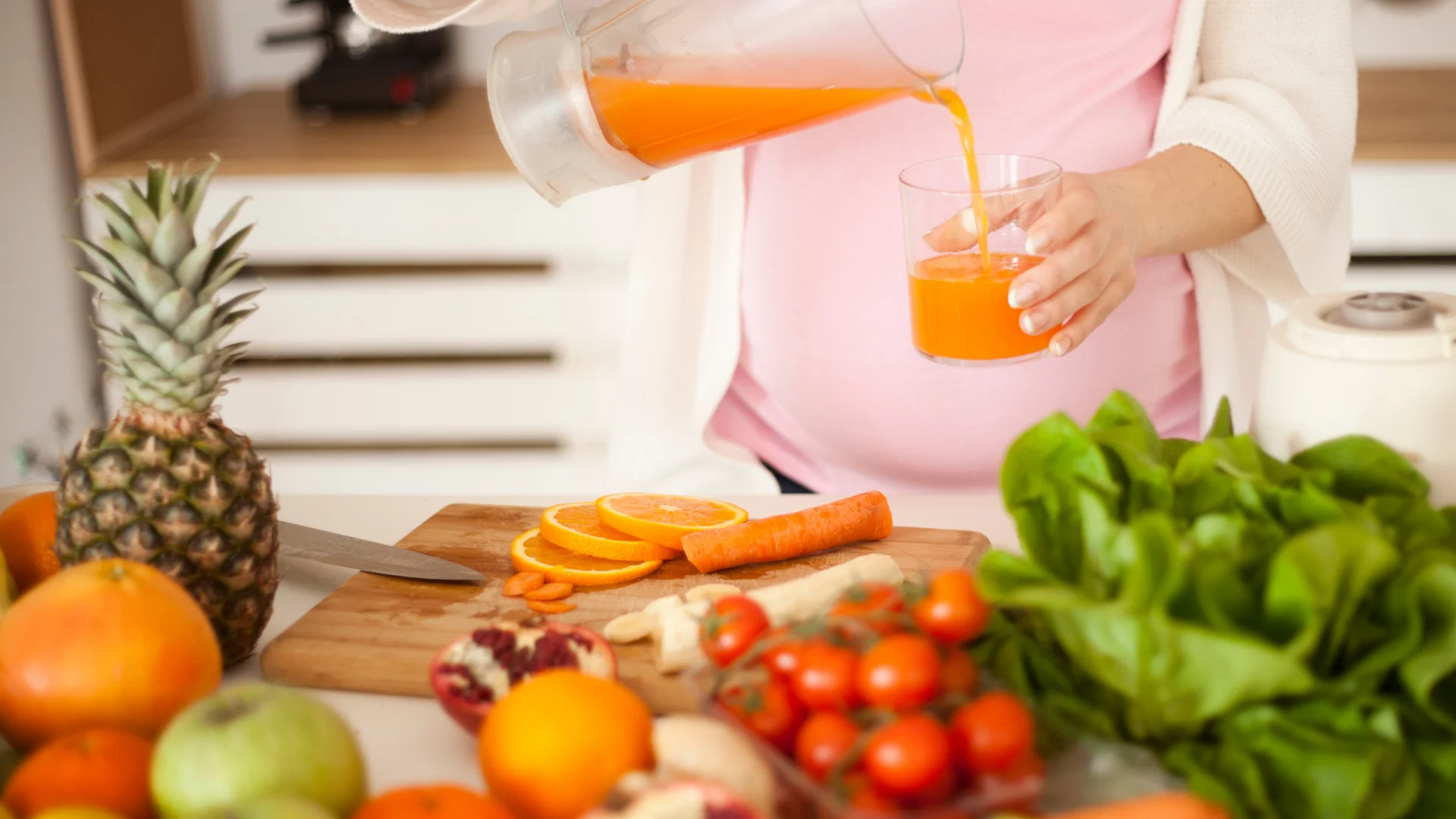
During pregnancy, nutrition should not follow a single type of diet but rather include a balanced intake from different food groups. In this process, meal timing is just as important as portion control.
In answer to the question of what a healthy pregnancy diet should look like, a daily nutrition routine can be planned as follows:
- 3 main meals and 2-3 snacks should be eaten each day.
- Every meal should include protein-rich foods.
- Vegetables and fruits should be an important part of daily nutrition.
- Whole grain products should be preferred.
- Healthy fats (such as olive oil) should be used in moderation.
- Sugary and processed foods should be limited.
This routine helps keep blood sugar levels stable and maintains energy throughout the day.
Essential Food Groups to Consume During Pregnancy
To meet the body’s nutritional needs during pregnancy, it is necessary to eat a balanced variety of foods from different food groups. This variety is one of the most important points among pregnancy nutrition recommendations.
The essential food groups are as follows:
- Protein sources: Eggs, chicken, fish, red meat, legumes
- Milk and dairy products: Milk, yogurt, cheese
- Whole grains: Whole wheat bread, oats, bulgur
- Vegetables and fruits: Vitamin-rich choices such as spinach, broccoli, carrots, apples, and bananas
- Healthy fats: Olive oil, avocado, walnuts, almonds
When these food groups are consumed in a balanced way, most of the nutritional needs of both mother and baby are met.
The Importance of Protein Intake During Pregnancy
Protein is one of the basic building blocks for the formation of the baby’s cells and the development of tissues. For this reason, adequate protein intake is one of the key answers to the question of how to eat during pregnancy.
Foods rich in protein include:
- Eggs
- Chicken and turkey
- Fish
- Red meat
- Legumes such as lentils and chickpeas
- Yogurt and cheese
For example, eating eggs at breakfast or including legumes at lunch helps meet the daily protein requirement. This supports muscle development and also provides a longer-lasting feeling of fullness.
Vitamin and Mineral Needs During Pregnancy
The need for vitamins and minerals increases significantly during pregnancy. Certain vitamins and minerals are especially critical for the baby’s brain development, bone formation, and immune system.
The most important vitamins and minerals during pregnancy are:
- Folic acid: Important for the development of the nervous system.
- Iron: Helps prevent anemia.
- Calcium: Necessary for bone and teeth development.
- Vitamin D: Supports calcium absorption.
- Omega-3 fatty acids: Contribute to brain development.
Getting a balanced intake of these nutrients is one of the most important points among pregnancy nutrition recommendations.
Sources of Folic Acid, Iron, and Calcium During Pregnancy
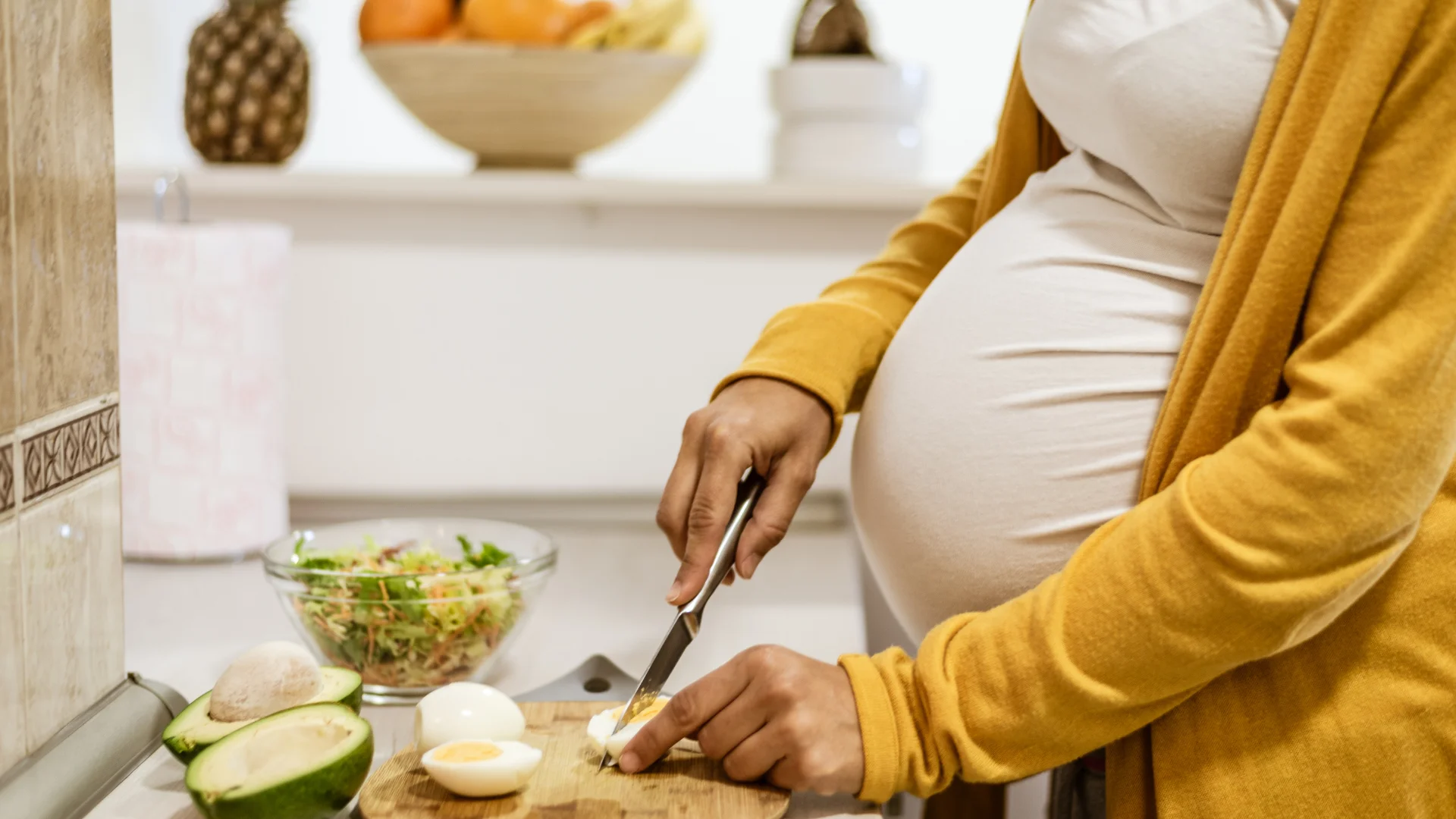
Some nutrients carry more importance than others during pregnancy. Folic acid, iron, and calcium in particular play a critical role in the health of both mother and baby.
Foods containing these nutrients include:
- Folic acid sources: Spinach, broccoli, lentils, avocado
- Iron sources: Red meat, eggs, dried legumes, dark green leafy vegetables
- Calcium sources: Milk, yogurt, cheese, almonds, sesame seeds
Consuming these foods regularly helps make a pregnancy nutrition routine healthier.
Foods to Avoid During Pregnancy
During pregnancy, certain foods can carry a risk of infection or food poisoning. For this reason, care should be taken regarding what is consumed.
Foods that should be avoided as much as possible during pregnancy include:
- Raw or undercooked meat and eggs
- Unpasteurized milk and dairy products
- Certain fish species high in mercury
- Beverages high in caffeine
- Processed and packaged foods
Food safety is very important during this period. Care should be taken to ensure that foods consumed are fresh and well-cooked.
How Much Water Should Be Consumed During Pregnancy?
Water is vital for the body to function healthily during pregnancy. Adequate water intake supports blood circulation, eases digestion, and helps reduce the formation of edema.
Generally, daily water intake during pregnancy should be:
- An average of 2-2.5 liters of water per day
- More fluids during physical activity or in hot weather
It is important to spread water intake throughout the day and to drink water before feeling thirsty.
Healthy Snack Recommendations During Pregnancy
Snacks during pregnancy help keep blood sugar stable and reduce sudden feelings of hunger. Choosing healthy snacks is an important part of pregnancy nutrition recommendations.
Healthy snack options include:
- Yogurt and fruit
- A handful of raw almonds or walnuts
- Small sandwiches made with whole grain bread
- Banana and milk
- Oat and yogurt mixes
Snacks like these provide energy while also supporting vitamin and mineral intake.
Creating a balanced and mindful nutrition plan during pregnancy directly affects both the expectant mother’s health and the baby’s development. Nutrition during pregnancy should be supported by a varied diet that includes adequate protein, vitamins, and minerals. It is recommended to eat a balanced mix of vegetables, fruit, whole grains, and healthy protein sources, while staying away from processed foods as much as possible.
Since every pregnancy is different, the nutrition plan should be tailored to the individual. For this reason, consulting a doctor or dietitian before making any significant changes to nutrition during pregnancy is always the healthiest approach.
