
 En
En Tr
TrIntrauterine adhesions occur when thin or dense scar tissue forms inside the uterine cavity, causing the uterine walls to stick together. In some people the condition can progress without any symptoms, while in others it can directly affect the menstrual cycle, cause pain, and impact pregnancy plans. Recognizing this condition early, especially in those with a history of intrauterine procedures, makes treatment easier and helps prevent problems that could arise later.
Contents 5
What Are Intrauterine Adhesions?
Intrauterine adhesions develop when the healing process does not proceed normally after the inner lining of the uterus has been damaged. Under normal conditions, the inner surface of the uterus renews and repairs itself with every menstrual cycle. In some cases, however, this healing process does not proceed evenly, and bands of hardened tissue can form inside the uterus.
This condition is most often seen after a curettage, an intervention following a miscarriage, cleaning of the uterus after childbirth, or certain infections. When the uterine cavity narrows, the flow of menstrual blood can become difficult, embryo implantation can become harder, and a person may unknowingly live with this problem for a long time.
In short, intrauterine adhesions are a condition that affects not only the menstrual cycle but also the natural function of the uterus. For this reason, even mild symptoms should be carefully evaluated.
What Are the Symptoms of Intrauterine Adhesions?
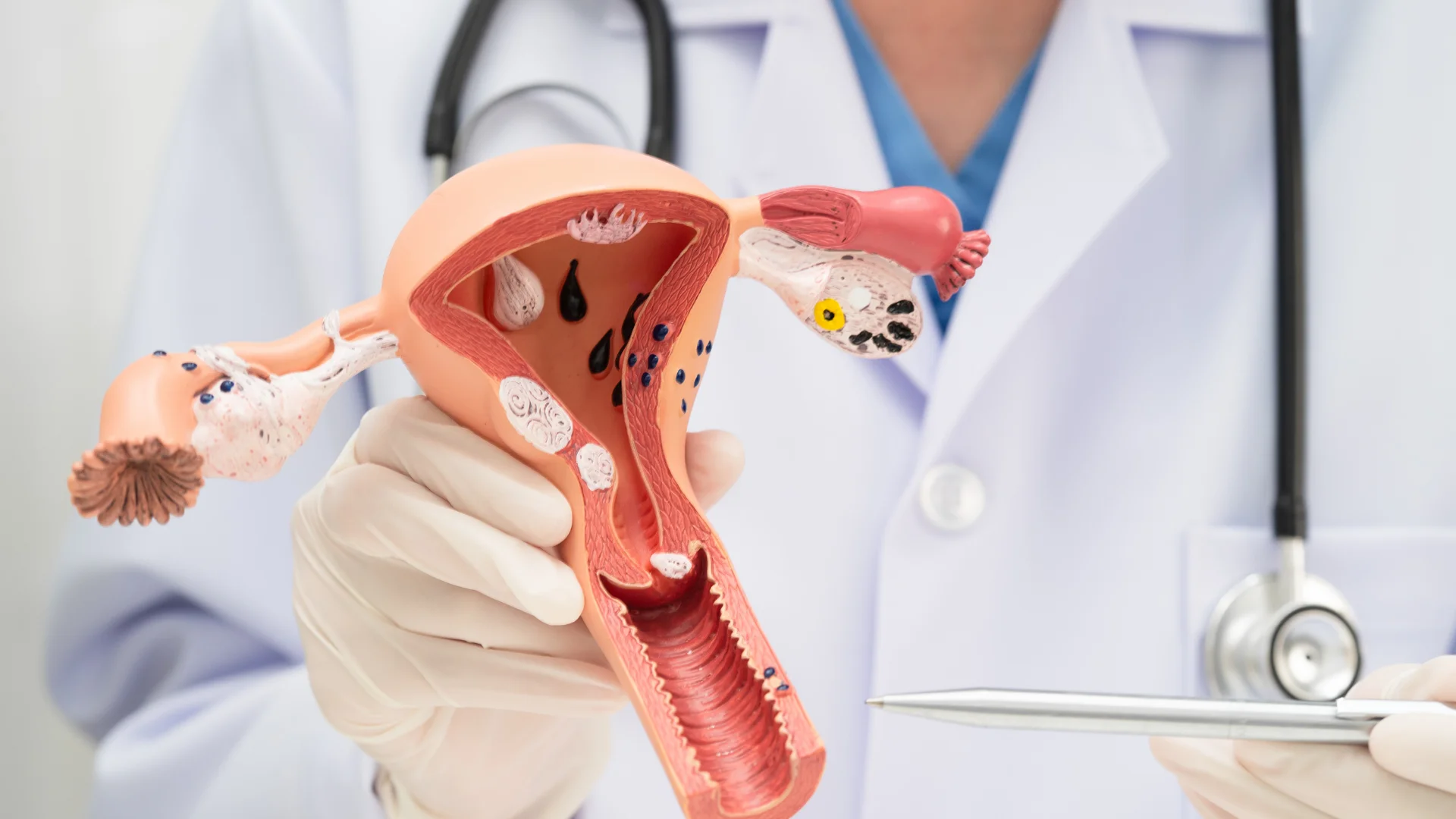
The symptoms of intrauterine adhesions can vary from person to person. The location and extent of the adhesions, as well as the person’s overall health, influence the severity of these symptoms. The most commonly noticed change occurs in the menstrual cycle. In someone who previously had regular periods, a decrease in menstrual flow can be an important sign.
Common symptoms include:
- A noticeable decrease in menstrual flow.
- A shortening of the menstrual period.
- Complete absence of menstruation.
- A feeling of pressure or cramping in the groin during the menstrual period.
- Difficulty becoming pregnant.
- A history of recurrent miscarriage.
- Occasional discomfort in the pelvic area.
These symptoms alone do not provide a definitive diagnosis. Similar complaints can also occur with other gynecological conditions. However, if these symptoms begin after an intrauterine procedure in particular, prompt evaluation is important.
How Are Intrauterine Adhesions Diagnosed?
The answer to how intrauterine adhesions are diagnosed becomes clear through careful evaluation combined with appropriate tests. The doctor first asks about the person’s menstrual cycle, previous surgeries, history of miscarriage, and current complaints. This information serves as an important guide in the diagnostic process.
Methods commonly used in diagnosis include:
- Gynecological examination and a detailed medical history.
- Examination of the uterine structure with transvaginal ultrasound.
- Saline infusion ultrasound to see the uterine cavity more clearly.
- Evaluation of the cavity structure with hysterosalpingography (uterine X-ray).
- Direct visualization of the inside of the uterus with hysteroscopy.
Hysteroscopy is one of the most definitive diagnostic methods. A thin camera is inserted into the uterus, allowing the location and degree of the adhesions to be seen directly. This allows both a definitive diagnosis and a more accurate treatment plan to be established.
What Happens If Intrauterine Adhesions Are Left Untreated?
The answer to what happens if intrauterine adhesions are left untreated depends on the severity of the adhesions. In mild cases, complaints may remain limited; however, advanced adhesions can lead to more significant problems over time. In particular, narrowing of the uterine cavity can affect both daily life and reproductive health.
Conditions that may occur if left untreated include:
- Worsening menstrual irregularity.
- Increased menstrual pain.
- A feeling of pressure and cramping inside the uterus.
- Difficulty becoming pregnant.
- Increased risk of miscarriage.
- Additional risks if pregnancy does occur.
Not everyone develops the same picture. Still, when symptoms are ignored, the problem can progress and treatment can become more complex. For this reason, early evaluation can lead to a more comfortable process in the long run.
How Are Intrauterine Adhesions Treated?
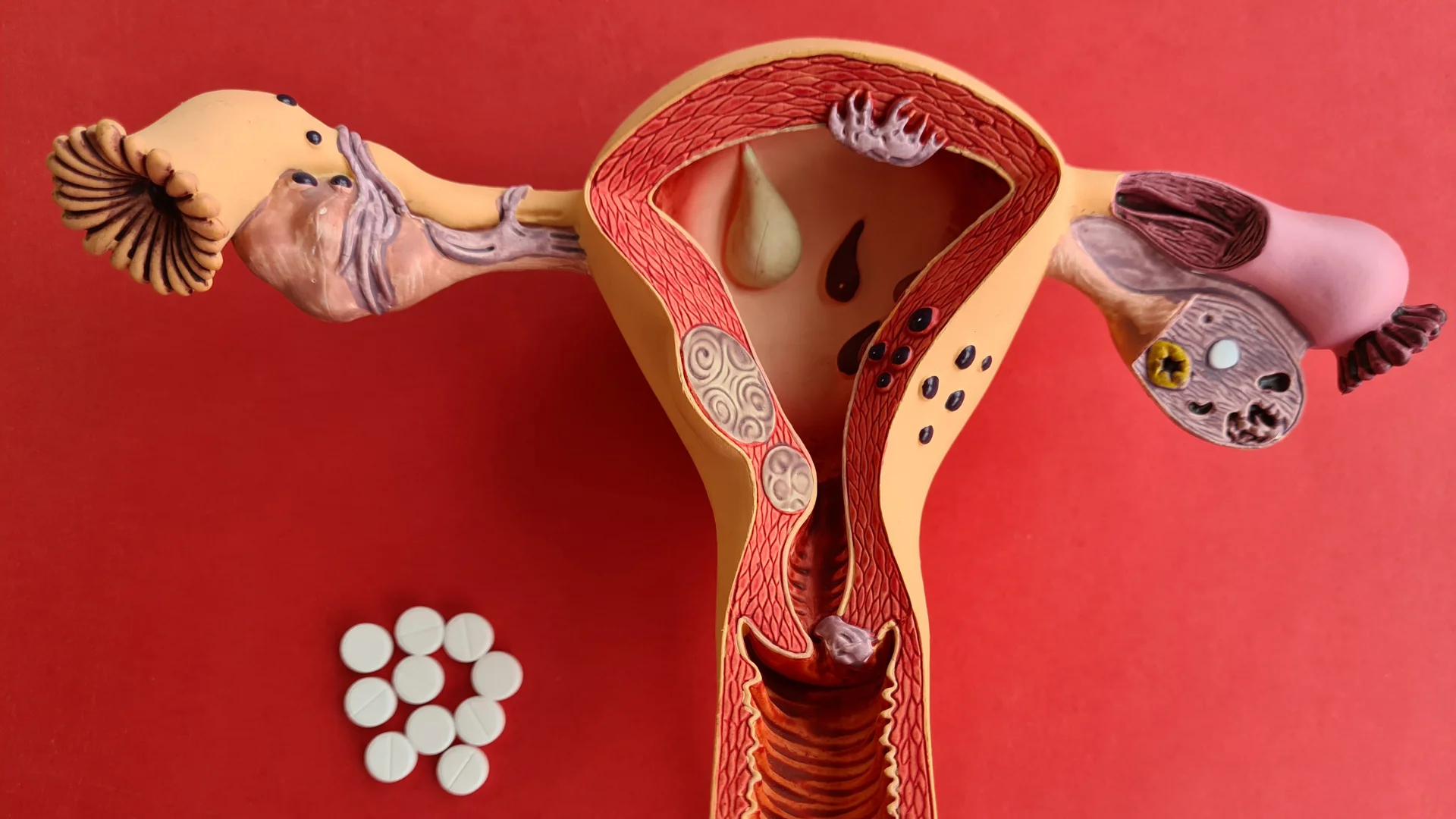
Treatment for intrauterine adhesions is shaped by the extent of the adhesions, the person’s complaints, and their pregnancy plans. The goal of treatment is to restore the uterine cavity as closely as possible to its natural shape and to support healthy healing of the uterine lining.
Commonly used treatment methods include:
- Removal of the adhesions with hysteroscopy.
- Medications to support healing after the procedure.
- Additional measures, when necessary, to reduce the risk of the adhesions re-forming.
- Regular follow-up examinations.
- Follow-up imaging.
During treatment, not only the procedure itself but also the follow-up afterward is important, since adhesions can recur in some people. Following the doctor’s recommendations closely helps the uterine lining heal in a healthier way.
Intrauterine adhesions are a health condition that can be managed when recognized early. Sudden changes in the menstrual cycle, groin pain, or difficulties with pregnancy plans can sometimes be the first sign of this condition. Timely evaluation makes it easier to understand the cause of current complaints and can help prevent larger problems from developing in the future. This content is for informational purposes only; for a definitive diagnosis and treatment tailored to you, please consult an obstetrician-gynecologist.