
 En
En Tr
TrHormones work almost like an invisible management system inside our bodies. They regulate our metabolism, influence our mood, set our sleep cycle, control reproductive health, and even play a role in our skin’s condition. Many structures — the thyroid gland, the pancreas, the adrenal glands, the pituitary gland, and the reproductive organs — produce hormones, and this system is connected like the links of a chain. A disruption in any single link can affect the entire system. Hormonal imbalances aren’t unique to women; they can also occur in men and children. However, in women, hormonal changes tend to be felt more noticeably because of natural processes such as the menstrual cycle, pregnancy, and menopause. Things like prolonged fatigue, sudden weight changes, or mood swings are sometimes attributed to simple causes, but they can actually be a sign of an underlying hormonal imbalance. For this reason, the symptoms of a hormonal disorder shouldn’t be taken lightly.
Contents 9
- What Is a Hormonal Disorder?
- What Causes a Hormonal Disorder?
- What Are the Symptoms of a Hormonal Disorder?
- How Can You Tell If You Have a Hormonal Disorder?
- Who Is More Likely to Experience a Hormonal Disorder?
- How Is a Hormonal Disorder Diagnosed?
- How Is a Hormonal Disorder Treated?
- How Can a Hormonal Disorder Be Corrected?
- What Can Be Done to Maintain Hormonal Balance?
What Is a Hormonal Disorder?
A hormonal disorder is a state of imbalance that occurs when a hormone in the body is secreted in higher or lower amounts than normal. Hormones travel through the bloodstream to reach target organs, where they carry out specific tasks. For example, thyroid hormones regulate metabolism, while insulin balances blood sugar levels. Estrogen and progesterone control the menstrual cycle. A disruption anywhere in this system creates a ripple effect. For instance, an underactive thyroid can slow the metabolism, leading to weight gain and fatigue, while an overactive thyroid can cause symptoms such as heart palpitations, weight loss, and irritability. In short, the simplest answer to what a hormonal disorder is, is a disruption in the body’s internal balance.
What Causes a Hormonal Disorder?
Hormonal imbalances don’t have a single cause. In most cases, several factors play a role together. The most common causes of hormonal disorders include:
- Thyroid conditions (hypothyroidism, hyperthyroidism)
- Polycystic Ovary Syndrome (PCOS)
- Diabetes and insulin resistance
- Excessive stress and elevated cortisol
- Irregular sleep patterns
- Obesity
- Natural life stages such as puberty, pregnancy, and menopause
- Long-term use of certain medications
Chronic stress in particular is a major factor behind hormonal imbalance today. Consistently high cortisol levels can suppress other hormones. Irregular sleep can likewise disrupt the balance of the system by affecting important hormones such as melatonin and growth hormone.
What Are the Symptoms of a Hormonal Disorder?
The symptoms of a hormonal disorder vary depending on which hormone is affected. Still, certain complaints tend to appear more commonly:
- Sudden weight gain or weight loss
- Irregular periods
- Excess hair growth or hair loss
- Increased acne
- Persistent fatigue and low energy
- Sleep problems
- Low mood or sudden emotional changes
- Heart palpitations
- Intolerance to cold or heat
- Difficulty concentrating
On their own, these symptoms can also point to other health issues. However, if several of them appear together, a hormonal evaluation may be needed.
How Can You Tell If You Have a Hormonal Disorder?
Long-lasting, unexplained changes in everyday life are usually the first clue. For example, someone gaining weight despite eating normally, or a woman with a regular cycle suddenly experiencing irregular periods, are situations worth paying attention to. That said, symptoms alone aren’t enough for a definitive diagnosis — hormonal imbalances are confirmed through laboratory tests. This is why a specialist evaluation is essential when complaints persist.
Who Is More Likely to Experience a Hormonal Disorder?
Hormonal issues can occur at any age, though some periods carry a higher risk. During stages such as puberty, pregnancy, and menopause, hormone levels change naturally, so imbalances tend to appear more frequently. People with a family history of thyroid disease, those with diabetes, individuals under intense stress, and people with irregular eating habits are also at higher risk. In women, symptoms can be more noticeable because of the sensitive nature of reproductive hormones.
How Is a Hormonal Disorder Diagnosed?
The diagnostic process begins with a detailed medical history. The doctor evaluates how long the symptoms have lasted and how severe they are. Blood tests are then used to measure hormone levels. The most commonly ordered tests include:
- TSH, T3, T4 (for thyroid function)
- Fasting insulin and blood sugar
- Estrogen and progesterone levels
- Prolactin
- Cortisol
Imaging methods such as ultrasound or MRI may also be used when needed. Treatment should never begin before an accurate diagnosis is made.
How Is a Hormonal Disorder Treated?
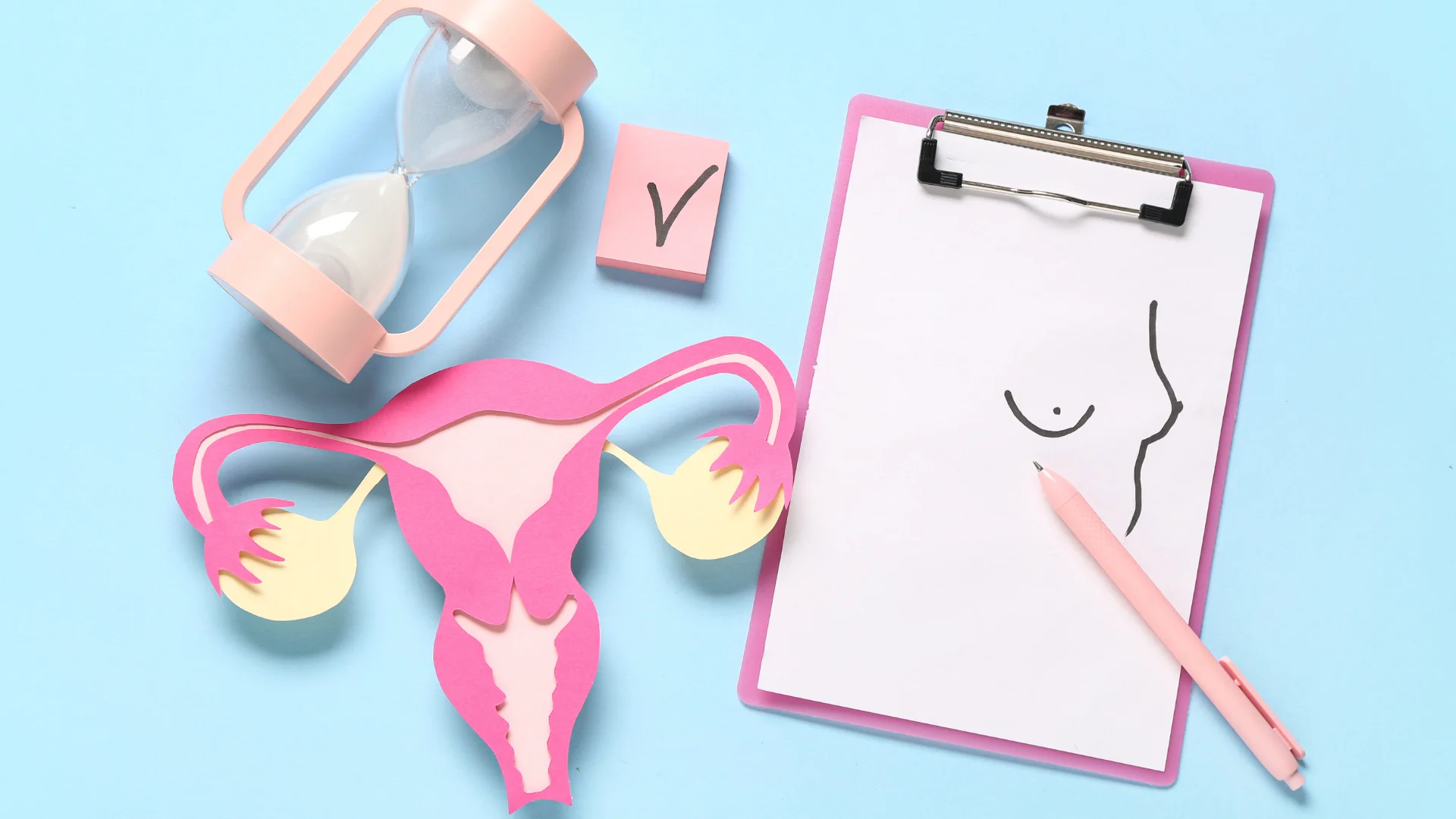
The answer to “how is a hormonal disorder treated?” depends on the underlying cause. Treatment is tailored to each person and generally includes methods such as:
- Hormone-regulating medication
- Thyroid hormone replacement or suppressive medication
- Birth control pills (in certain gynecological conditions)
- Treatment for insulin resistance
- Lifestyle changes
For instance, in hypothyroidism the missing hormone is replaced externally, while in hyperthyroidism hormone production is suppressed. In conditions such as PCOS, both medication and weight management are typically planned together.
How Can a Hormonal Disorder Be Corrected?
Many people look for natural solutions to the question “how can a hormonal disorder be corrected?” What matters most here is accurately identifying the root cause of the problem. Some hormonal issues can’t be resolved through lifestyle changes alone and require medication. As supportive measures:
- Regular, good-quality sleep
- A balanced diet
- Cutting back on refined sugar
- Regular exercise
- Stress management techniques
can help bring the hormonal system back into balance. However, stopping medication or turning to alternative methods without your doctor’s guidance can be risky.
What Can Be Done to Maintain Hormonal Balance?
Maintaining hormonal balance calls for a holistic approach. Daily habits play a decisive role here. Avoiding processed foods, staying physically active, and drinking enough water all support a healthy metabolism. Regular health check-ups shouldn’t be neglected either, especially for people with a family history of hormonal disease, who should have periodic testing. Early diagnosis makes the treatment process easier. A hormonal disorder is a disruption of the body’s delicate internal balance. Common causes of hormonal disorders include thyroid disease, stress, insulin resistance, and reproductive system issues. The symptoms of a hormonal disorder typically appear as weight changes, irregular periods, fatigue, and mood swings.
