
 En
En Tr
Tr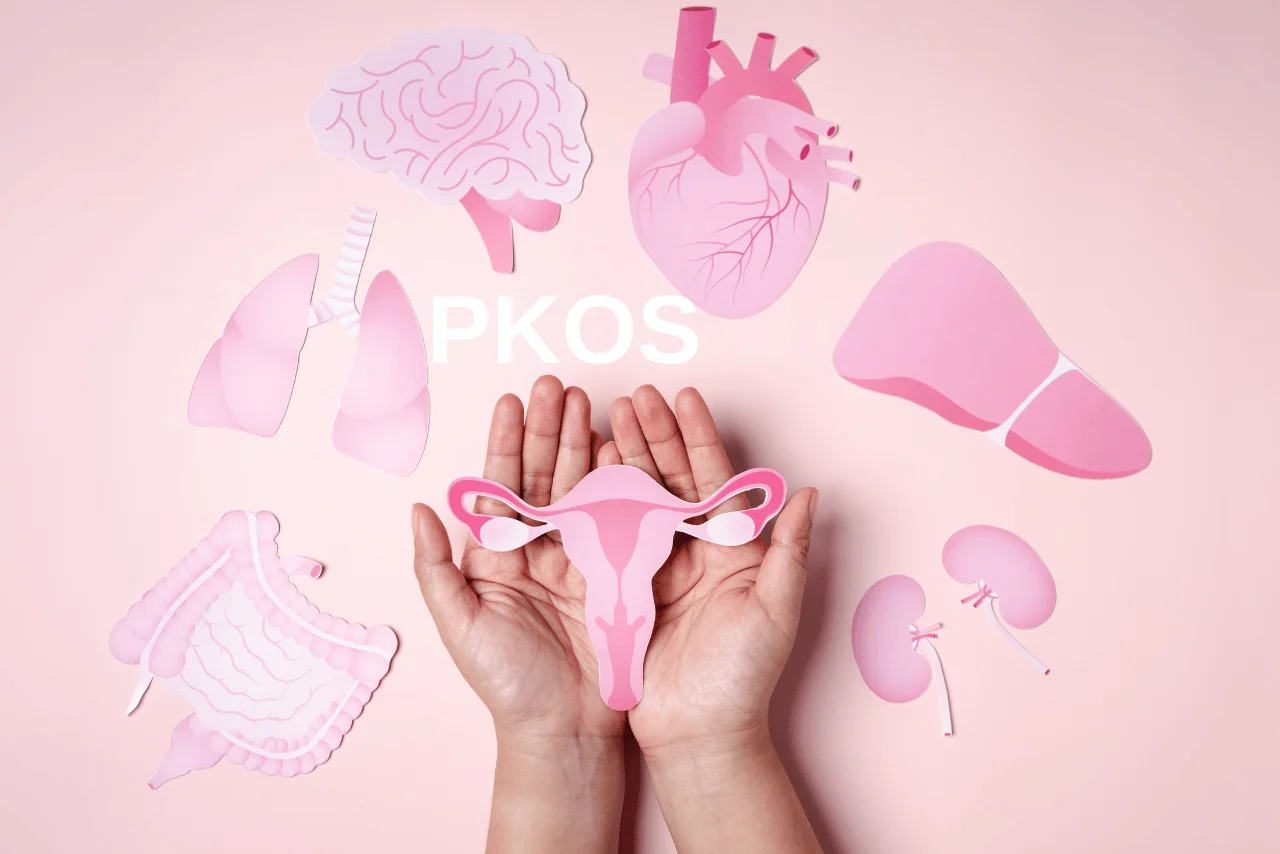
Polycystic Ovary Syndrome (PCOS) is one of the most common hormonal disorders affecting women of reproductive age. Characterized by menstrual irregularities, ovulation problems, weight gain, insulin resistance, and hormonal imbalances, this condition often raises the question, “Can women with PCOS get pregnant?” for those who wish to have children. PCOS can affect fertility, but it does not mean permanent infertility. With proper treatment, lifestyle modifications, and, when necessary, assisted reproductive techniques, the answer to the question “Can a woman with PCOS get pregnant?” is often positive. Let’s take a closer look at what PCOS is, how it affects fertility, and ways to increase the chances of pregnancy.
Contents 7
- What Is PCOS? A Brief Overview
- The Relationship Between PCOS and Fertility
- Does Polycystic Ovary Syndrome Prevent Pregnancy?
- Methods That Increase the Chances of Pregnancy
- What Should Be Considered During the Treatment Process?
- When Should You Seek Help from a Specialist?
- No Room for Hopelessness — There Is a Solution
What Is PCOS? A Brief Overview
Polycystic Ovary Syndrome is characterized by the presence of multiple small cysts in the ovaries. The term “cyst” can be misleading; these are actually immature follicles. In women with PCOS, androgen (male hormone) levels are often elevated, which disrupts the menstrual cycle and makes ovulation more difficult.
Common symptoms of PCOS include:
- Irregular menstrual cycles or long periods without menstruation.
- Excessive hair growth on the face, chin, chest, and abdomen.
- Acne and oily skin.
- Weight gain and difficulty losing weight.
- Hair thinning or hair loss.
These symptoms can cause both cosmetic and health-related concerns. Early diagnosis is one of the most important factors that positively influences the answer to the question, “Can women with PCOS get pregnant?”
The Relationship Between PCOS and Fertility
The answer to “Can women with PCOS get pregnant?” is “yes,” but the process may require more planning and monitoring than usual. The primary mechanism by which PCOS affects fertility is irregular ovulation. Infrequent ovulation reduces the likelihood of pregnancy. Additionally, insulin resistance is common in women with PCOS and can further disrupt hormonal balance, making ovulation even more irregular.
At this point, the question “Does PCOS prevent pregnancy?” becomes important. PCOS does not directly prevent pregnancy, but ovulation problems can make the process more challenging. Studies show that with proper nutrition and medical treatment, ovulation can be regulated, significantly increasing the likelihood of a positive answer to “Can women with polycystic ovary syndrome get pregnant?”
Does Polycystic Ovary Syndrome Prevent Pregnancy?
The clear answer to “Can women with polycystic ovary syndrome get pregnant?” is that PCOS is not a barrier to pregnancy. However, if left untreated and without lifestyle changes, the time to conception may be prolonged. The answer depends on individual factors such as:
- Frequency and quality of ovulation.
- Body mass index and obesity status.
- Presence of insulin resistance or diabetes.
- The woman’s age and overall reproductive health.
When these factors are properly managed, the answer to “Can a woman with PCOS get pregnant?” is very often “yes,” and many of these pregnancies progress in a healthy manner.
Methods That Increase the Chances of Pregnancy
There are many effective approaches to increase the chances of pregnancy in women with PCOS. These methods positively influence hormonal balance and ovulation regularity. The most common and effective steps include:
- Achieving Weight Control: Losing even 5–10% of excess body weight can regulate ovulation and improve hormonal balance.
- Maintaining a Balanced Diet: Low–glycemic index foods, fiber-rich vegetables, healthy fats, and protein-based nutrition help reduce insulin resistance.
- Regular Exercise: Moderate activities such as walking, swimming, or Pilates 3–4 days a week support metabolic regulation.
- Medical Treatment: Medications such as metformin, clomiphene citrate, or letrozole may stimulate ovulation.
- Assisted Reproductive Techniques: If natural conception does not occur, in vitro fertilization (IVF) or intrauterine insemination (IUI) may be considered.
These steps are among the most important strategies that can turn the answer to “Can women with PCOS get pregnant?” into a positive one.
What Should Be Considered During the Treatment Process?
Treatment is not limited to medication or medical procedures alone. Women with PCOS must also adjust their lifestyle habits.
- Hormone levels, thyroid function, and insulin resistance should be evaluated before starting treatment.
- The menstrual cycle should be monitored regularly, and ovulation days should be identified.
- A healthy diet and regular exercise routine should be established.
- Medications should be taken exactly as prescribed by the physician.
- Stress management techniques such as yoga, meditation, and breathing exercises should be incorporated.
These habits enhance treatment effectiveness and reduce the likelihood of a negative answer to the question, “Does PCOS prevent pregnancy?”
When Should You Seek Help from a Specialist?
Every woman’s journey to pregnancy is different. However, women with PCOS should seek specialist support without delay in certain situations:
- No pregnancy after 12 months (or 6 months for women over 35) of unprotected intercourse.
- Severe menstrual irregularities or complete absence of menstruation.
- Presence of insulin resistance, rapid weight gain, or excessive hair growth.
- A history of previous miscarriages.
Early consultation allows for quicker treatment planning and significantly increases the chance of success.
No Room for Hopelessness — There Is a Solution
The answer to “Can women with polycystic ovary syndrome get pregnant?” is clearly “yes” with proper planning and determination. PCOS is a manageable condition, and today thousands of women achieve healthy pregnancies through lifestyle changes, medical treatments, and, when necessary, assisted reproductive techniques. Remember, whether PCOS prevents pregnancy depends on your individual situation. A personalized treatment plan, regular medical follow-up, and a patient, consistent approach can maximize your chances of becoming a mother despite PCOS.