
 En
En Tr
Tr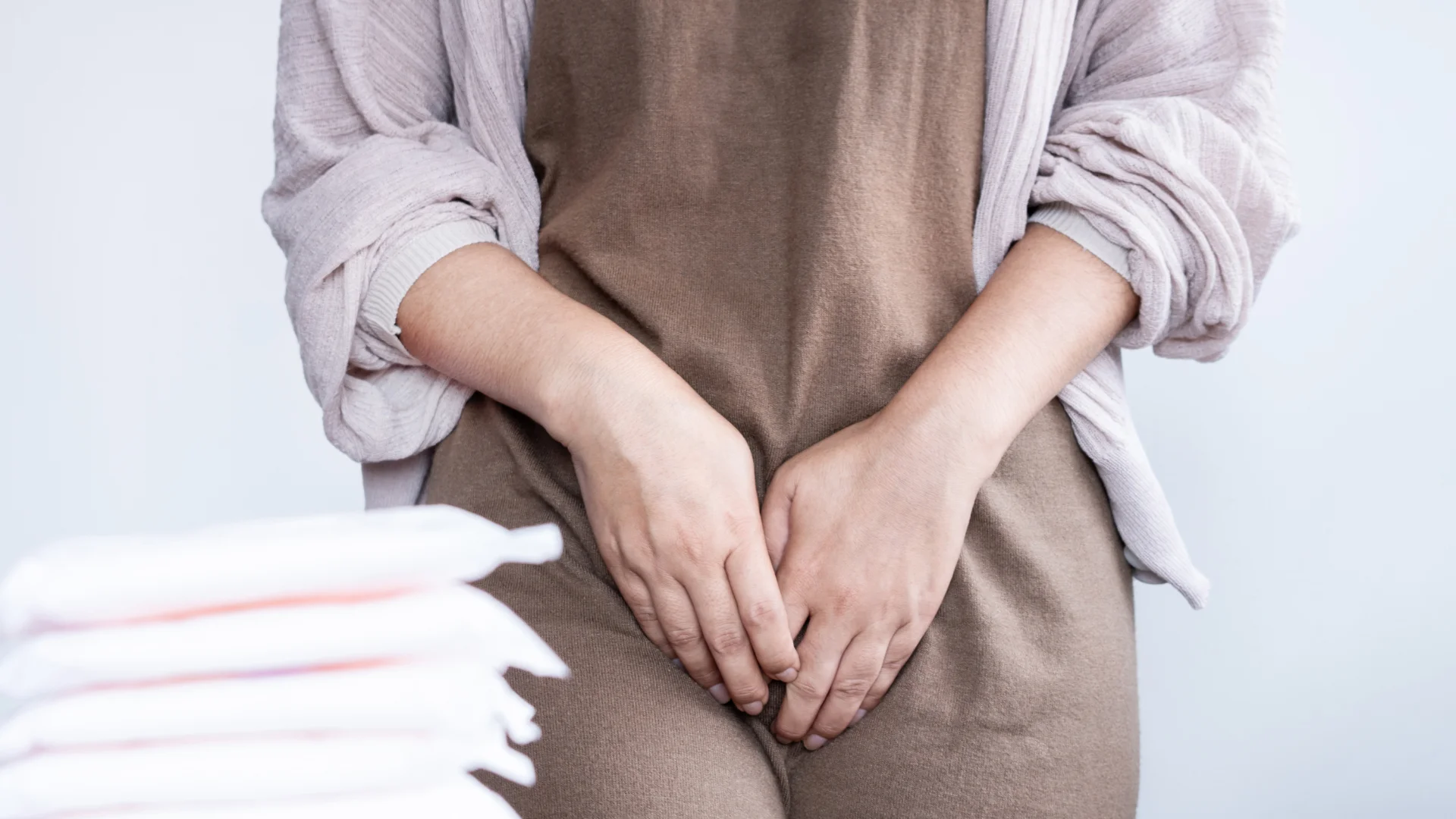
Vaginal itching is a common complaint that can affect women’s health both physically and psychologically. This condition may restrict daily activities, disrupt sleep, and negatively impact social life. Although it is often caused by simple factors, it can sometimes be a sign of more serious underlying health problems. Therefore, the question “what causes vaginal itching” is important not only for relieving a temporary discomfort but also for understanding overall health.
The causes of vaginal itching may vary depending on age, lifestyle, hygiene habits, and existing medical conditions. So, what are the most common reasons, and under which categories can the question “why does itching occur in the vaginal area” be addressed?
Contents 13
- Vaginal Yeast Infection
- Bacterial Vaginosis
- Trichomoniasis
- Allergic Reactions
- Hormonal Changes
- Incorrect or Excessive Vaginal Cleansing
- Sweating and Moisture
- Irritation Due to Sexual Intercourse
- Antibiotic Use
- Diabetes (Diabetes Mellitus)
- Skin Conditions
- Weakened Immune System
- Stress and Psychological Factors
Vaginal Yeast Infection
One of the most common causes of vaginal itching is yeast infections. This condition usually occurs due to the overgrowth of Candida fungi and is characterized by intense itching, redness, and thick, white, cottage cheese–like discharge. A weakened immune system, frequent antibiotic use, and tight or synthetic underwear can facilitate fungal growth. Therefore, yeast infections are often listed among the leading causes of vaginal itching.
Bacterial Vaginosis
Bacterial vaginosis develops when the balance of beneficial bacteria in the vagina is disrupted and harmful bacteria multiply. It is commonly associated with itching and a foul-smelling, gray-white discharge. Although it usually does not cause pain, it may recur if left untreated. Frequent vaginal douching is a notable factor when answering the question *“what causes itching in the vaginal area.”*
Trichomoniasis
Trichomoniasis is a sexually transmitted infection that may cause intense itching, yellow-green frothy discharge, and a burning sensation during urination. In such cases, both the individual and their partner must be treated. Otherwise, symptoms may recur, keeping the question *“what causes vaginal itching”* relevant for a long time.
Allergic Reactions
Perfumed sanitary pads, panty liners, soaps, shower gels, wet wipes, and even laundry detergents can cause allergic reactions in the vaginal area. These reactions usually present with sudden itching and redness. Improvement after eliminating the triggering product indicates that allergic factors play an important role among the causes of vaginal itching.
Hormonal Changes
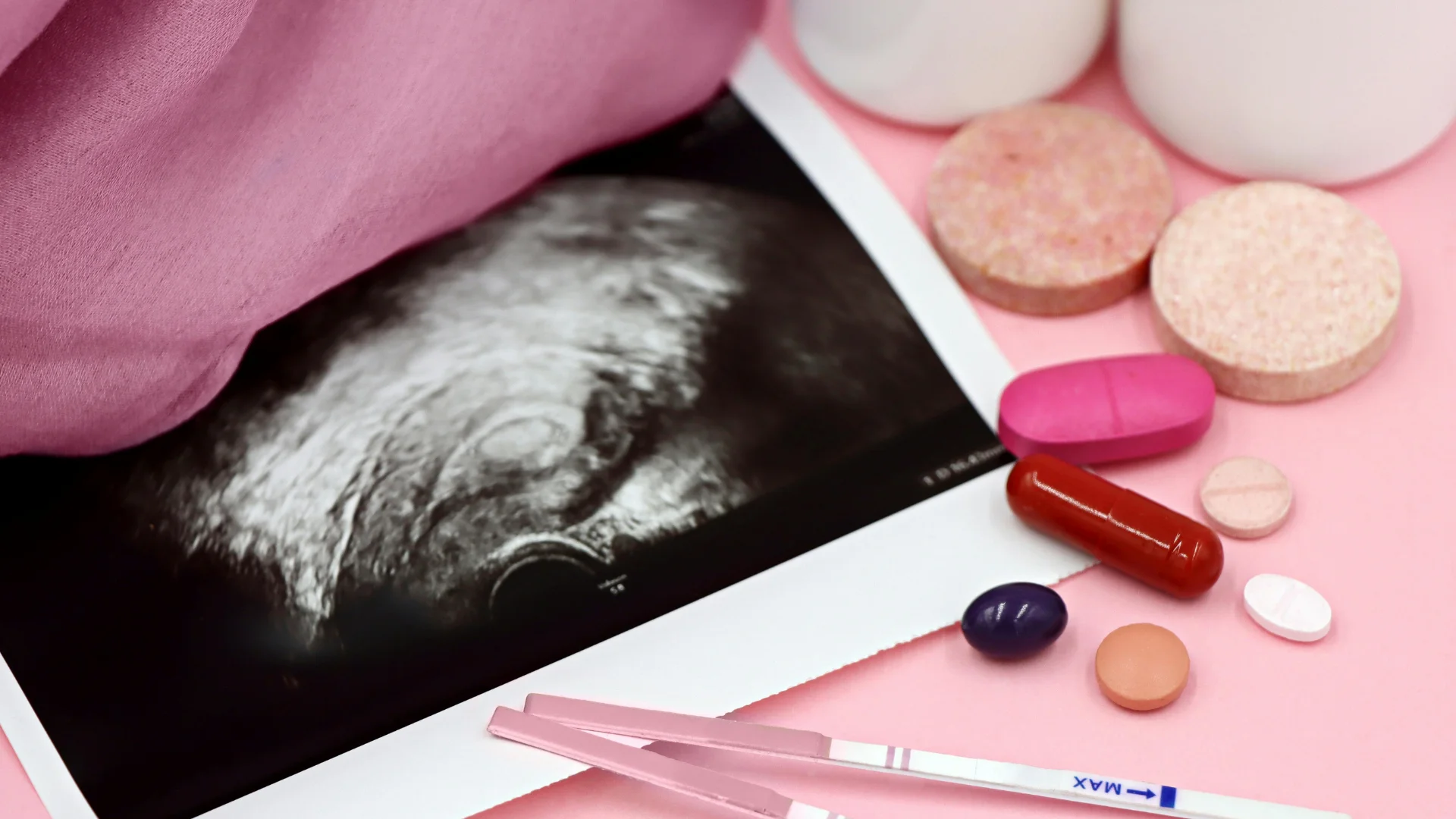 Hormonal changes such as pregnancy, breastfeeding, the postpartum period, the menstrual cycle, and menopause directly affect vaginal tissue. In particular, decreased estrogen levels may cause vaginal dryness and itching. Many women during menopause frequently ask why itching occurs in the vaginal area for this reason.
Incorrect or Excessive Vaginal Cleansing
The vagina has a natural self-cleaning mechanism. However, frequent vaginal douching or internal cleansing with soapy products can disrupt this natural balance. Although done for hygiene purposes, these practices may increase the risk of infection and are among the causes of vaginal itching. Daily hygiene should involve cleaning only the external genital area with appropriate products.
Sweating and Moisture
Increased sweating, especially in hot weather, may cause prolonged moisture in the vaginal area. A moist environment creates ideal conditions for fungal and bacterial growth. Choosing cotton underwear and allowing the area to breathe can help prevent itching related to this cause.
Irritation Due to Sexual Intercourse
Insufficient lubrication, prolonged, or frequent sexual intercourse may cause irritation of the vaginal tissue. This irritation can lead to temporary itching and sensitivity, which usually resolves on its own. However, if it occurs frequently, other underlying causes of vaginal itching should be investigated.
Antibiotic Use
Antibiotics may reduce not only harmful bacteria but also the beneficial bacteria that protect the vaginal flora. This can create a favorable environment for yeast infections, leading to itching. As a result, the question *“what causes itching in the vaginal area”* often arises after long-term antibiotic use.
Diabetes (Diabetes Mellitus)
Individuals with poorly controlled blood sugar levels are more prone to yeast infections. Diabetes affects the immune system and increases the risk of vaginal infections. Therefore, recurrent itching complaints require a more systemic evaluation when considering the causes of vaginal itching.
Skin Conditions
Skin disorders such as eczema, psoriasis, or dermatitis may affect not only visible areas of the body but also the genital region. In such cases, itching may be accompanied by dryness, scaling, and cracks. Treatment usually requires dermatological evaluation.
Weakened Immune System
Poor nutrition, chronic diseases, and an intense lifestyle may weaken the immune system. This reduced resistance to infections indirectly contributes to the causes of vaginal itching.
Stress and Psychological Factors
Stress can affect hormonal balance and immune responses. In some individuals, vaginal itching may occur during periods of intense stress without any identifiable physical cause. This shows that the question “what causes itching in the vaginal area” has not only physical but also psychological dimensions.
In summary, the question “what causes vaginal itching” cannot be explained by a single factor. Infections, hormonal changes, daily habits, systemic diseases, and psychological factors all contribute to the causes of vaginal itching. The duration, severity, and accompanying symptoms provide important clues for identifying the underlying cause. Therefore, a holistic evaluation of symptoms is essential to accurately answer why itching occurs in the vaginal area.
Important Notice:
If vaginal itching persists for a long time, recurs frequently, or is accompanied by symptoms such as abnormal discharge, unpleasant odor, or pain, a gynecologist should be consulted. Unsupervised product use or self-treatment may worsen the condition and lead to chronic problems.