


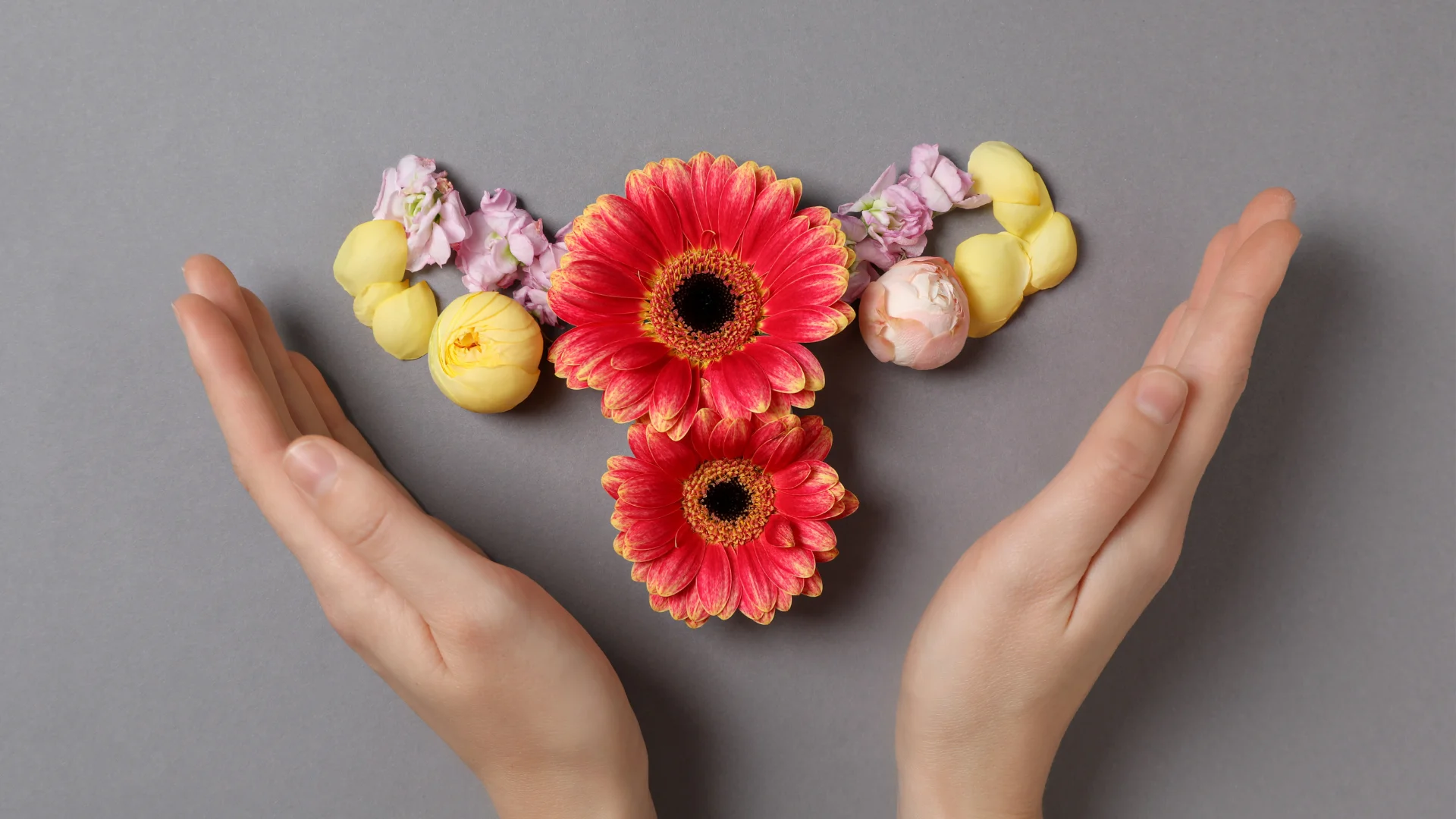
Vaginal dryness is an important health issue that can occur at different stages of a woman’s life and is often overlooked. This condition can directly affect daily comfort, self-confidence, and sexual life, ranging from mild discomfort to severe pain and irritation. Therefore, the question “what is vaginal dryness” is not only a medical definition but also a topic closely related to quality of life. When addressed correctly and when the underlying causes are understood, vaginal dryness can largely be brought under control.
What Is Vaginal Dryness?
Vaginal dryness is a condition that occurs when the vaginal walls fail to maintain sufficient moisture and elasticity. Under normal circumstances, the vagina remains moist, elastic, and protected against external factors thanks to natural secretions. When this natural moisture decreases, the tissue becomes more sensitive, friction increases, and discomfort may occur even during daily activities. The fact that vaginal dryness often causes pain during sexual intercourse clearly shows why the question “what is vaginal dryness” is so important for women.
What Causes Vaginal Dryness?
The answer to the question “what causes vaginal dryness” is most commonly related to hormonal changes. The primary cause is a decrease in estrogen levels. Estrogen is the main hormone responsible for maintaining the thickness, elasticity, and moisture of vaginal tissue. Vaginal dryness is especially common during menopause due to reduced estrogen levels. In addition, the following factors may also contribute:
- Breastfeeding and the postpartum period
- Birth control pills and certain hormonal medications
- Antidepressants and allergy medications
- High stress levels and sleep disturbances
- Smoking and insufficient fluid intake
In some cases, more than one factor may contribute to vaginal dryness at the same time.
What Are the Symptoms of Vaginal Dryness?
Vaginal dryness is not limited to a simple feeling of dryness. Over time, symptoms may become more varied and severe:
- Burning and stinging sensations in the vaginal area
- Persistent or intermittent itching
- Pain and discomfort during sexual intercourse
- Spotting or light bleeding after intercourse
- A constant feeling of discomfort while sitting or walking
These symptoms may cause both physical and psychological fatigue, especially when they persist for a long time.
How Is Vaginal Dryness Treated?
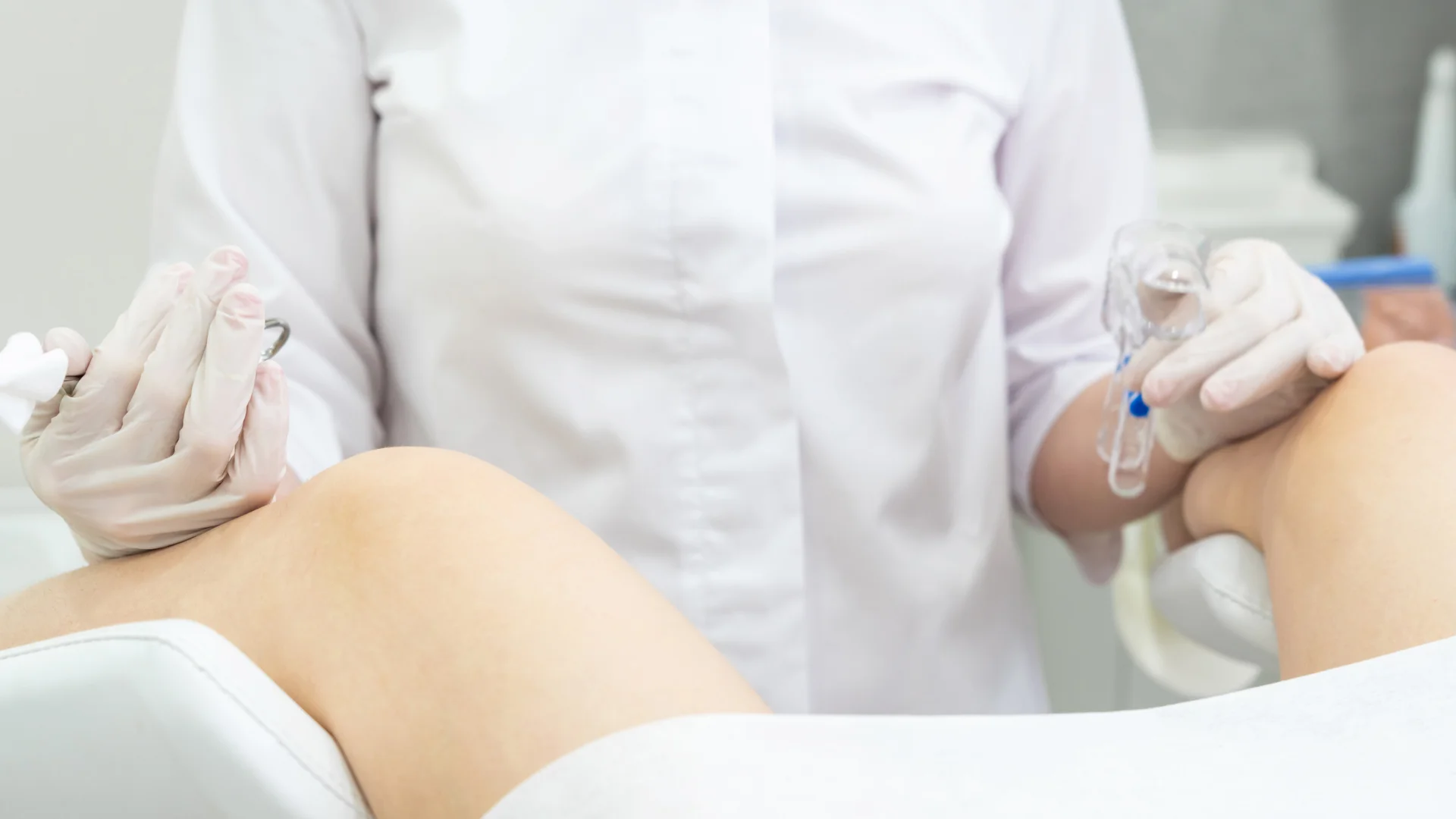
The answer to the question “how is vaginal dryness treated” depends on the underlying cause. Therefore, a one-size-fits-all solution is not appropriate:
- In mild cases, vaginal moisturizers and lubricants may provide relief.
- In cases related to hormonal deficiency, local hormone therapies prescribed by a doctor may be effective.
- Lifestyle changes such as quitting smoking, reducing stress, and ensuring adequate water intake can support treatment.
It is important not to rely solely on temporary solutions and to seek professional advice for persistent symptoms.
How Can Vaginal Dryness Be Prevented?
Although it is not always possible to completely prevent vaginal dryness, certain habits can significantly reduce the risk. Protecting the sensitive vaginal tissue is essential.
- Avoid perfumed soaps and chemically harsh cleansing products
- Refrain from vaginal douching
- Choose breathable, cotton underwear
- Maintain regular sleep and a balanced diet
These measures provide a strong lifestyle-based answer to the question “what causes vaginal dryness”.
What Helps Relieve Vaginal Dryness?
When discussing what helps relieve vaginal dryness, both medical and supportive approaches come to the forefront:
- Vaginal moisturizers and lubricants
- A diet rich in omega-3 fatty acids, vitamin E, and healthy fats
- Regular but non-strenuous sexual activity
- Stress management and relaxation techniques
These methods support the answer to “how is vaginal dryness treated”, but they may not always be sufficient on their own.
Who Is More Likely to Experience Vaginal Dryness?
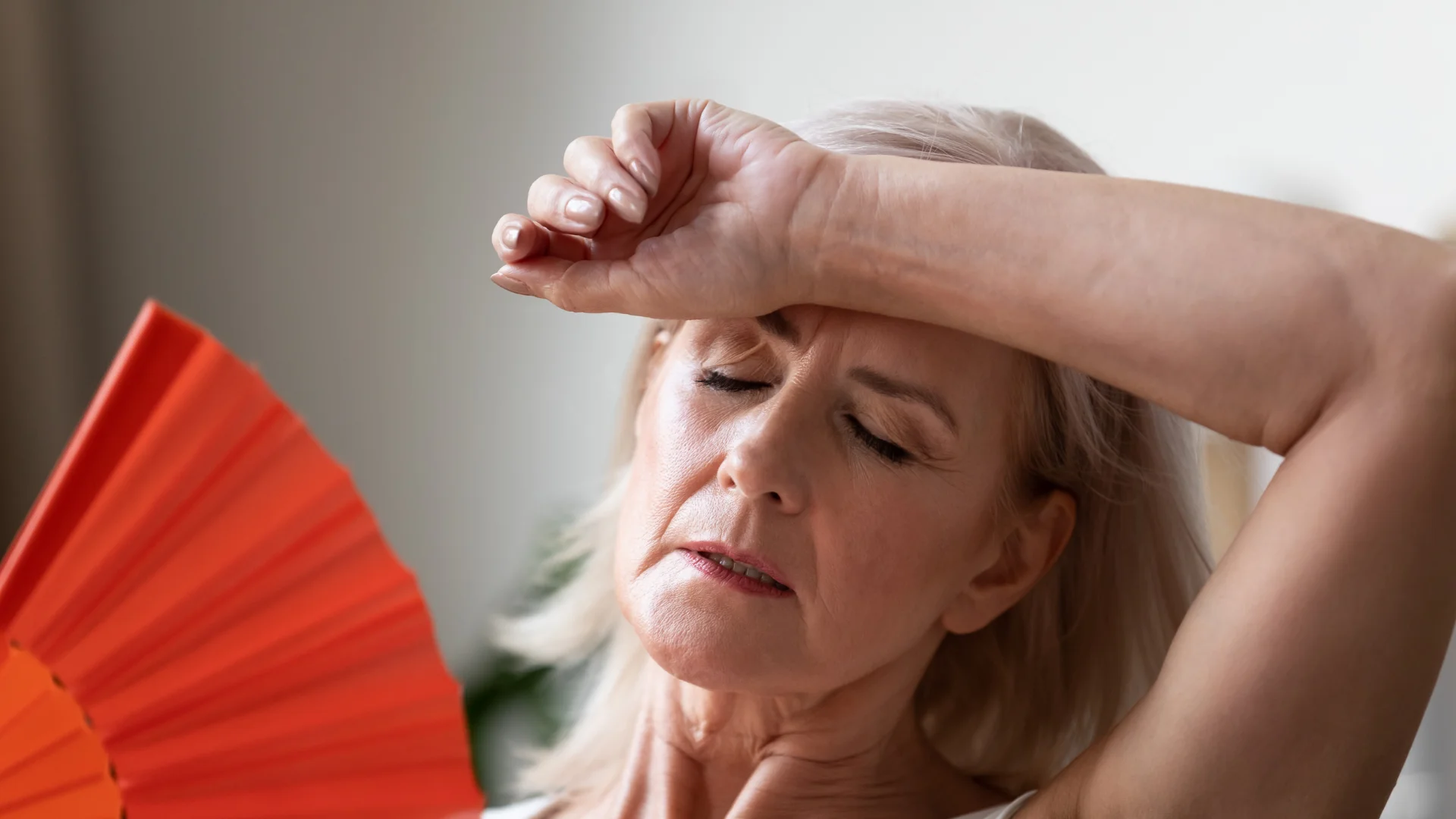
Although vaginal dryness can occur at any age, it is more common in certain groups. Women in menopause, breastfeeding mothers, individuals under intense stress, and those using long-term medications are at higher risk. In these individuals, symptoms may appear earlier and last longer.
When Is Vaginal Dryness a Serious Problem?
Vaginal dryness should be taken seriously if it:
- Significantly affects daily life
- Leads to avoidance of sexual intercourse
- Is accompanied by persistent pain, burning, or bleeding
At this point, the question “what is vaginal dryness” goes beyond a simple definition and requires medical evaluation. Understanding what causes vaginal dryness, how it presents, and how it can be relieved are closely interconnected. When appropriate solutions are applied, vaginal dryness does not have to permanently reduce a woman’s quality of life.
Important Notice:
If vaginal dryness persists for a long time or does not improve with self-care methods, a gynecologist should be consulted. Unsupervised product use may worsen the condition and lead to additional vaginal problems.

