


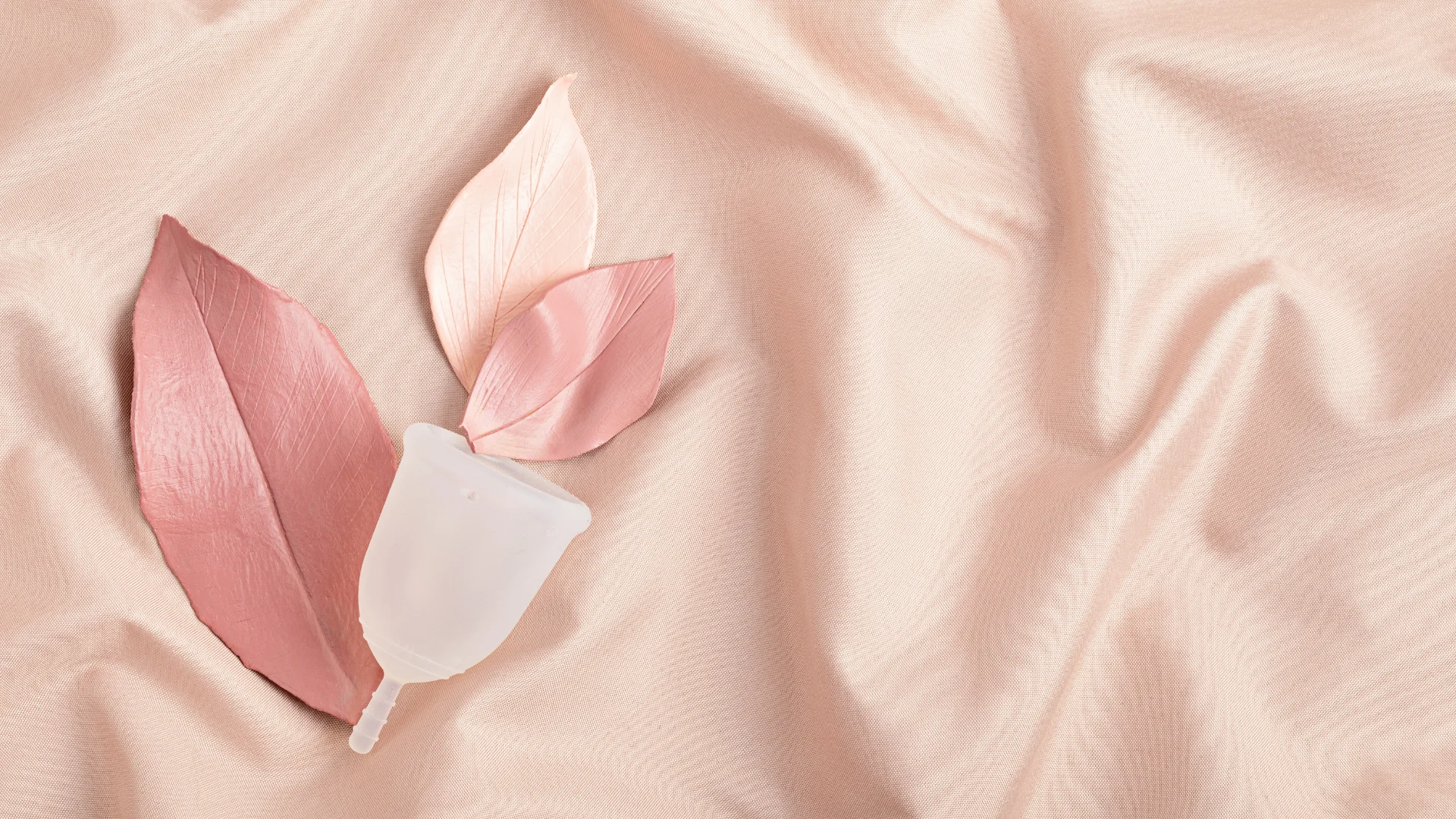
The menstrual period is a time when hygiene and comfort are especially important for women. In addition to traditional solutions such as pads and tampons, an alternative that has rapidly gained popularity in recent years has emerged: the menstrual cup. This innovative product offers a strong alternative to conventional methods thanks to its environmentally friendly nature, long-lasting protection, and comfort. However, for many people, questions such as “What is a menstrual cup?” and “How can it be integrated into daily life?” remain a topic of curiosity. In this article, we provide a comprehensive guide by covering all the details of this modern menstrual product, its ease of use, and important points to consider. Our goal is to address all concerns about how to use a menstrual cup and make the transition process as comfortable as possible.
What Is a Menstrual Cup?
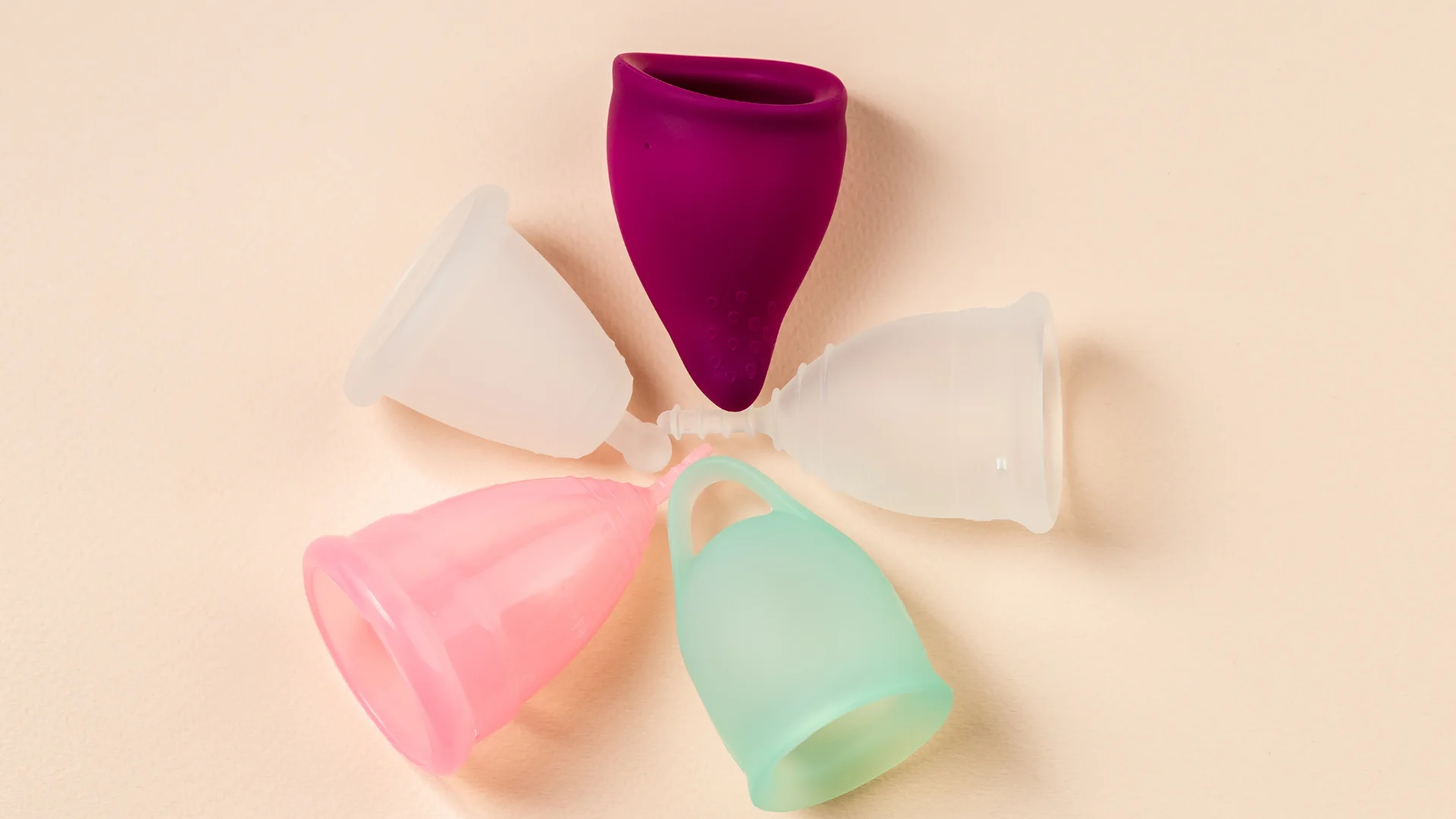
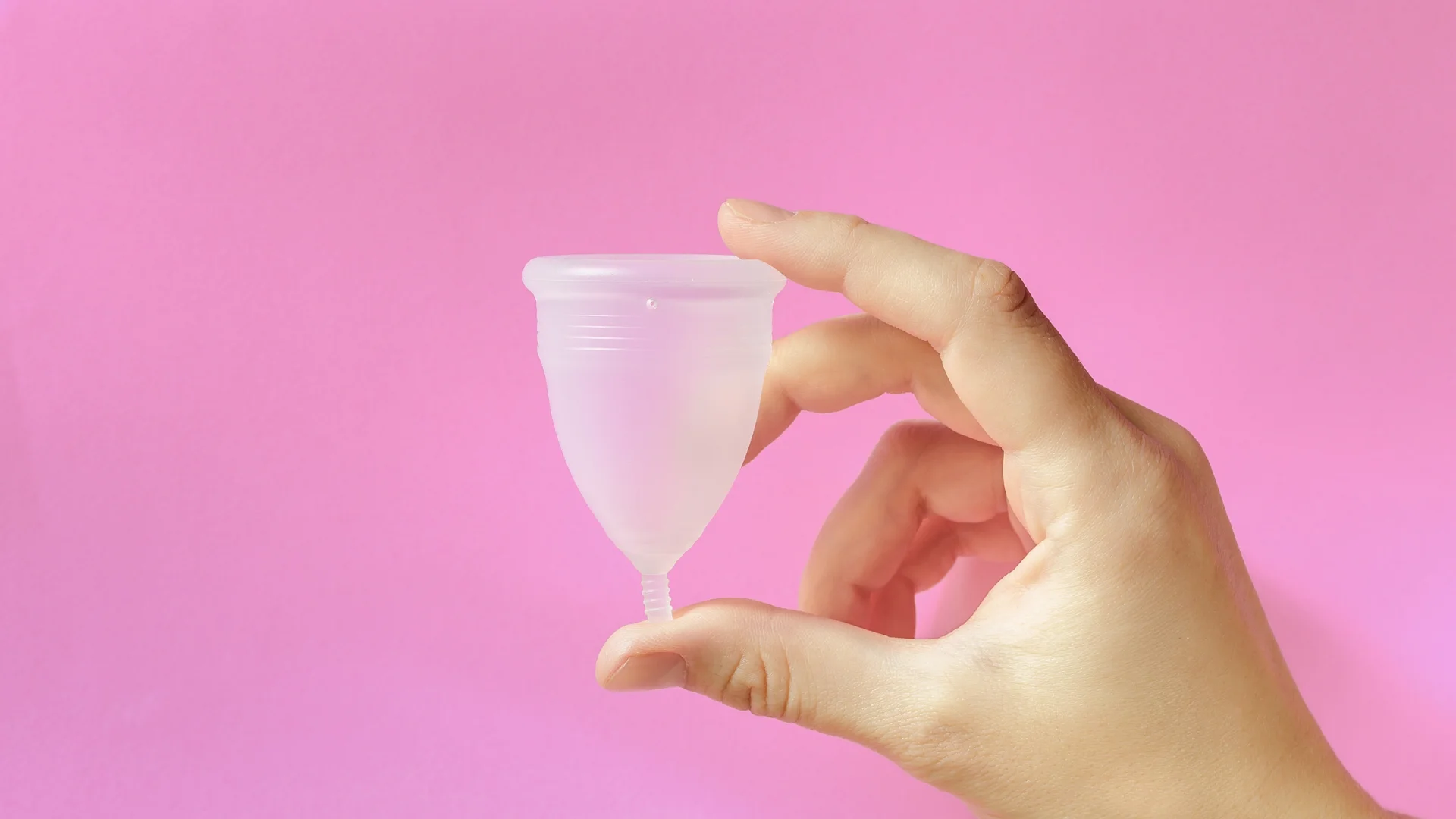
The simplest answer to the question “What is a menstrual cup?” is that it is a small, flexible cup made of medical-grade silicone, latex, or TPE (thermoplastic elastomer) that is inserted into the vagina to collect menstrual blood. Unlike pads and tampons, which absorb fluid, menstrual cups collect the fluid in their reservoir. Thanks to this design, when properly positioned, a menstrual cup can provide protection for up to 12 hours and can be reused. This feature makes it both an economical and environmentally friendly option. With proper care, a high-quality menstrual cup can be used for many years (typically 5 to 10 years), eliminating the need for continuous purchases of disposable pads or tampons. Menstrual cups vary in size and shape (bell-shaped, V-shaped, or rounded base), and choosing the right model is essential for a comfortable experience. For many women, discovering the menstrual cup has been a liberating and eco-conscious step that fundamentally changes their period experience. Cups are also available in different firmness levels, with firmer models often recommended for women who are physically active or have strong pelvic floor muscles.
Benefits of Using a Menstrual Cup
Switching to a menstrual cup offers many significant advantages. Compared to traditional products, its long-term usability and reduced environmental impact stand out. In addition, its positive effects on body health should not be overlooked.
- Up to 12 Hours of Long-Lasting Protection: A properly placed menstrual cup can provide leak-free protection for up to 12 hours. This extended wear time reduces the need for frequent bathroom breaks and offers great convenience during busy days, at school, or while traveling.
- Environmentally Friendly and Economical Sustainability: Because it is reusable, a single cup can be used for years. Compared to the thousands of disposable menstrual products a woman may use over her lifetime, this significantly reduces waste and provides substantial long-term cost savings.
- Chemical-Free and Healthier: Made from medical-grade silicone, menstrual cups do not contain fragrances, bleaching agents, lotions, or gels that may cause irritation. This makes them a healthier option for sensitive individuals, and studies suggest they may reduce the risk of Toxic Shock Syndrome (TSS) associated with tampons.
- Prevents Odor and Dryness: By collecting blood without exposure to air, menstrual cups prevent odor formation. Unlike tampons, they do not disrupt the vagina’s natural moisture balance or pH level, helping to prevent dryness and irritation.
As seen above, using a menstrual cup is not only a practical hygiene solution but also an investment in both environmental responsibility and personal health. These cups can make menstruation less stressful, more comfortable, and allow greater freedom of movement.
What Should Be Considered When Using a Menstrual Cup?
When first starting to use a menstrual cup, the initial attempts may feel challenging. However, paying attention to a few key points can make the process much easier.
- Choosing the Right Size and Firmness: Every woman’s vaginal anatomy is different. Selecting the appropriate size and firmness based on menstrual flow, age, childbirth history, and pelvic floor strength is essential to prevent leaks.
- Sterilization Before and After Use: Sterilizing the cup by boiling it in water for 5–7 minutes at the beginning and end of each menstrual cycle is crucial for hygiene. During the cycle, washing with water and mild soap is sufficient.
- Practicing Insertion and Removal Techniques: It is normal to experience some difficulty during insertion or removal at first. Trying different folding techniques and ensuring the cup fully opens inside the vagina will improve comfort and effectiveness.
- Ensuring Air Holes Are Clear: Small air holes near the rim of the cup must remain clean and open. These holes allow proper suction and make removal easier by breaking the seal.
Paying attention to these points ensures a comfortable, hygienic experience and shortens the learning curve when learning how to use a menstrual cup.
How to Insert a Menstrual Cup
“How to insert a menstrual cup” is one of the most common questions for first-time users. Successful insertion ensures leak-free protection throughout the day. First, sterilize the cup and wash your hands thoroughly. Fold the cup using a method that suits you best (such as the “Punch-Down” or “C” fold), which reduces the cup to the size of a tampon. Relax your pelvic muscles and choose a comfortable position—sitting, squatting, or placing one foot on the edge of the bathtub. Gently guide the folded cup into the vagina at a slight angle toward the tailbone. Once released, the cup should open inside. You can check by gently rotating the base or feeling that it has fully expanded. If it moves easily and feels round and firm at the base, it is correctly placed and has formed a seal to prevent leaks. The key to successful insertion is patience and relaxation.
How to Remove a Menstrual Cup
Removing a menstrual cup requires a bit of practice but should never be painful if done correctly. Wash your hands and assume a comfortable position. Gently push down with your pelvic muscles to bring the cup lower and grasp the stem. Never pull only on the stem. Before removal, the suction must be released by pinching the base of the cup or inserting a finger along the side to break the seal. Once the suction is released, gently remove the cup while keeping it upright to avoid spills. Breaking the seal is the most important step for comfortable removal.
How to Clean a Menstrual Cup
Proper cleaning is essential for maintaining hygiene and extending the lifespan of a menstrual cup.
- Cleaning During the Cycle: After emptying the cup, rinse it with cold or lukewarm water and wash it with an unscented, oil-free, pH-balanced soap. Cold water helps prevent staining. Make sure the air holes are clean and free of residue.
- Sterilization at the Start and End of the Cycle: Boil the cup in water for 5–7 minutes before and after each menstrual cycle. Placing the cup inside a whisk while boiling can prevent it from touching the bottom of the pot.
- Storage: After sterilization, allow the cup to dry completely and store it in a breathable fabric pouch. Avoid airtight containers, which can trap moisture and cause odor.
With proper care, a menstrual cup can be used safely for many years. By following these cleaning guidelines, you protect both your health and the longevity of the product. This small yet powerful tool has the potential to completely transform your menstrual experience.

