


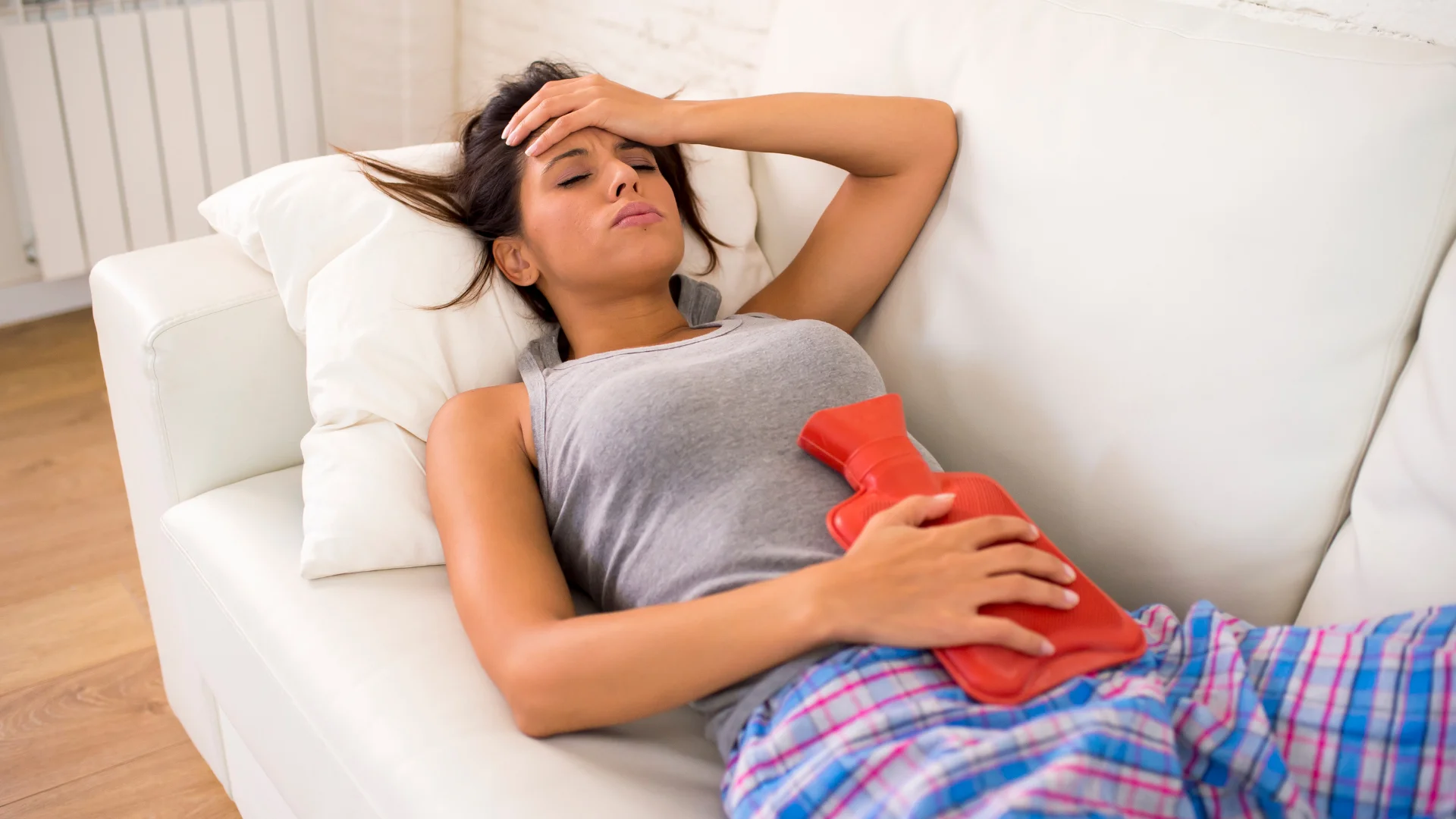
Menstrual cramps can make daily life difficult for many women during their period. The pain caused by uterine contractions may be mild for some, while for others it can feel like intense pressure. For this reason, the question “How can menstrual pain be relieved?” becomes an important concern for many women. Natural methods, healthy lifestyle habits, and medical support when necessary can be highly effective in reducing pain. Likewise, “How can abdominal pain during menstruation be relieved?” is frequently searched, especially when cramps limit daily activities.
Heat Therapy
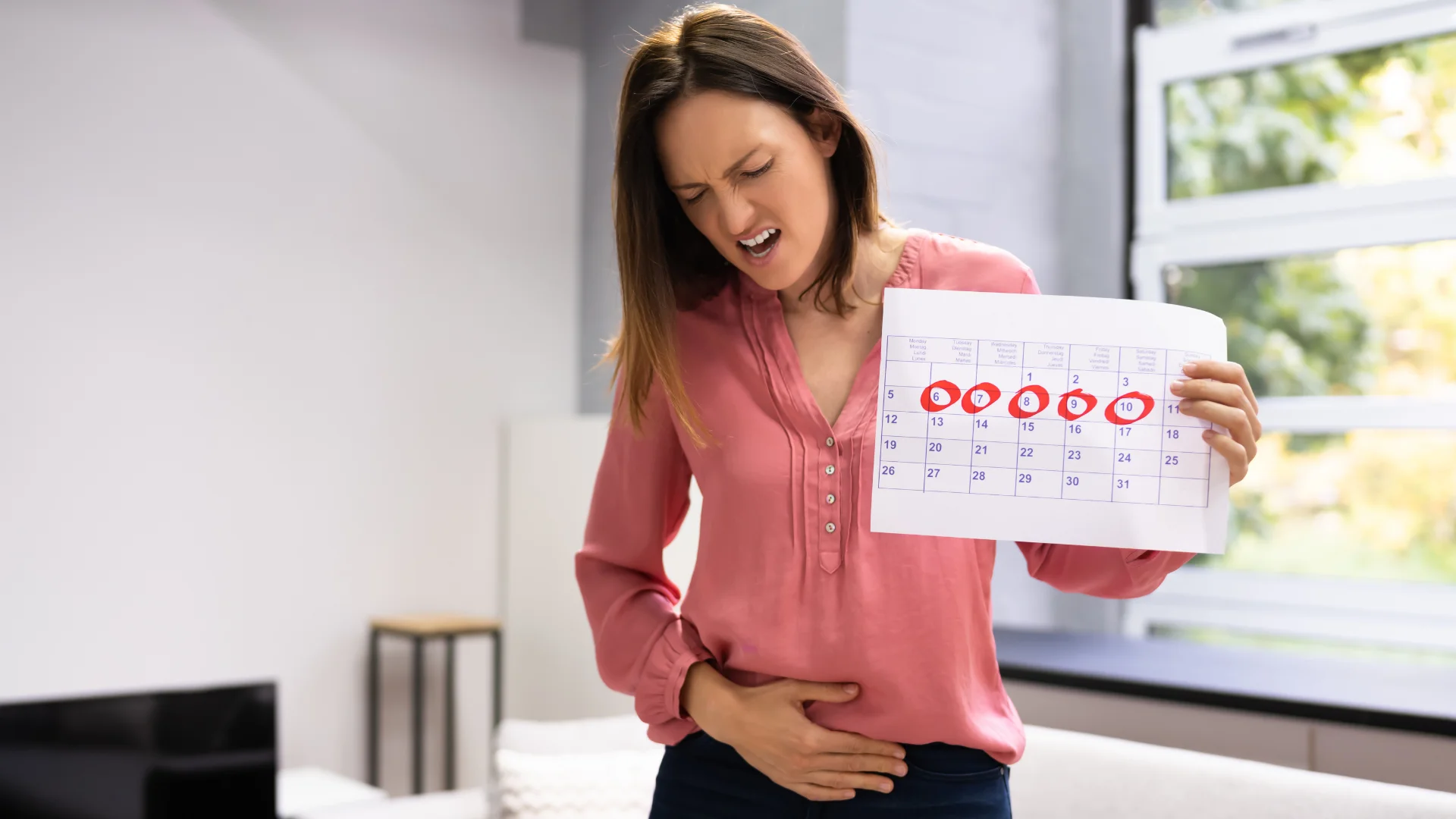
The effectiveness of heat therapy in reducing menstrual pain has been well known for many years. A hot water bottle or heating pad placed on the lower abdomen helps tense muscles relax, providing relief in a short time. By softening the muscles, heat not only answers the question of how to relieve menstrual pain but also helps cramps feel less intense. This method is an effective starting point for those wondering how to ease abdominal pain during menstruation. When applied correctly, it improves blood circulation during the menstrual period and increases overall comfort.
Light Exercise
Moving during painful periods may seem difficult, but light walks or simple at-home exercises increase the production of endorphins, providing natural pain relief. Gentle and regular activities help reduce the intensity of cramps, making them a practical answer to the question of how to relieve menstrual abdominal pain. While intense movements that may worsen pain should be avoided, light exercise often helps the body relax and improves both physical and mental well-being. This approach also offers long-term support for those asking how menstrual pain can be relieved.
Herbal Teas
Herbal teas such as chamomile, ginger, and peppermint are commonly preferred during menstruation. The soothing effect of warm beverages helps relax muscles and reduce bloating. Chamomile tea has calming properties, while ginger tea is known for its anti-inflammatory effects. These drinks help those seeking natural relief find an answer to how to ease menstrual abdominal pain. Additionally, by supporting digestion, they provide extra comfort during periods of intense cramps.
Massage and Aromatherapy
Gentle massage applied to the abdomen and lower back increases blood circulation and helps relieve pain. Short massages using aromatherapeutic oils reduce muscle tension and promote mental relaxation. Oils such as lavender or rosemary help ease stress with their pleasant scents while their warming effect softens muscles. Massage is an effective method, especially for those wondering how to relieve abdominal pain during menstruation. When combined with controlled breathing, the intensity of cramps may decrease even further.
Adequate Water Intake
Drinking enough water helps regulate blood circulation during menstruation and contributes to pain relief. Insufficient fluid intake may lead to bloating and water retention, making cramps feel more intense. Regular hydration supports digestion and helps reduce pressure in the abdominal area. This natural approach offers a simple yet effective answer to both how to relieve menstrual pain and how to ease abdominal cramps during menstruation.
Magnesium and Omega-3
Including foods rich in magnesium and omega-3 in the diet may help reduce menstrual cramps. Magnesium supports muscle relaxation, while omega-3 is known for its anti-inflammatory properties. Foods such as almonds, spinach, avocado, and walnuts can be beneficial during this time. However, any supplements should be taken only under medical advice. These nutritional supports provide a solution-oriented approach, especially for those seeking long-term relief from menstrual abdominal pain.
Avoiding Caffeine and Sugar
Caffeine and refined sugar may increase water retention during menstruation, causing cramps to feel more intense. Choosing herbal teas instead of coffee, limiting carbonated drinks, and opting for a more natural diet can help reduce pain. Eating lighter and simpler foods during this period plays a supportive role in managing cramps and may make a noticeable difference for many women wondering how to relieve menstrual abdominal pain.
Warm Shower
Taking a warm shower helps relax muscles and provides mental relaxation. Warm water applied to the lower back and abdominal area can reduce pain in a short time. A warm shower also lowers stress levels, easing the psychological impact of cramps. Due to its practicality, this method stands out as a quick and effective option when asking how to relieve menstrual pain.
Stretching Exercises
Simple stretching exercises gently lengthen the muscles and reduce tension. Light stretches targeting the lower back and abdominal area increase blood circulation and provide natural relief. When practiced regularly, stretching offers a gentle yet effective answer to how to relieve abdominal pain during menstruation.
Yoga and Breathing Exercises
Yoga poses and deep breathing techniques relax both the body and the mind. The stretching nature of yoga helps reduce cramps, while breathing exercises decrease tension. When practiced regularly, these techniques lower stress levels and support a more comfortable menstrual period. They are among the long-term supportive practices for those researching how to ease menstrual abdominal pain.
Pain Relievers
When natural methods are insufficient, pain relievers taken with a doctor’s recommendation may provide quick relief. However, unnecessary or unconscious use of these medications should be avoided. In cases of stomach sensitivity or chronic conditions, medical advice is essential.
Birth Control Pills
For women experiencing severe menstrual cramps, birth control pills may be prescribed due to their hormone-regulating effects. This method should only be used under medical supervision. Many women experience a significant reduction in pain with regular use. Every woman experiences menstruation differently, so the most effective relief method varies from person to person. Heat therapy, light exercise, herbal teas, massage, warm showers, and proper nutrition all help reduce cramps. If the pain is severe, persistent, or significantly affects daily life, consulting a healthcare professional is strongly recommended.

