



During IVF treatment, the period of uncertainty following embryo transfer can be extremely stressful for couples. IVF implantation symptoms are considered early signs that the embryo has successfully attached to the uterine lining, and they usually appear within 6–12 days after transfer. These symptoms may vary from woman to woman, and having accurate information helps reduce uncertainty during this sensitive period. Being well informed about IVF implantation symptoms can provide significant psychological reassurance for couples.
Mild Lower Abdominal and Groin Pain
One of the most characteristic symptoms of implantation after IVF transfer is mild lower abdominal pain. Implantation pain differs from menstrual cramps and is typically felt as a gentle pulling or tugging sensation. These sensations result from changes occurring in the endometrial layer as the embryo attaches to the uterine wall. The pain is usually localized in the lower abdomen and lasts for 1–3 days. Its intensity is generally mild to moderate, occurs intermittently rather than continuously, and does not interfere with daily activities. If severe pain occurs, medical evaluation is strongly recommended.
Light Vaginal Spotting
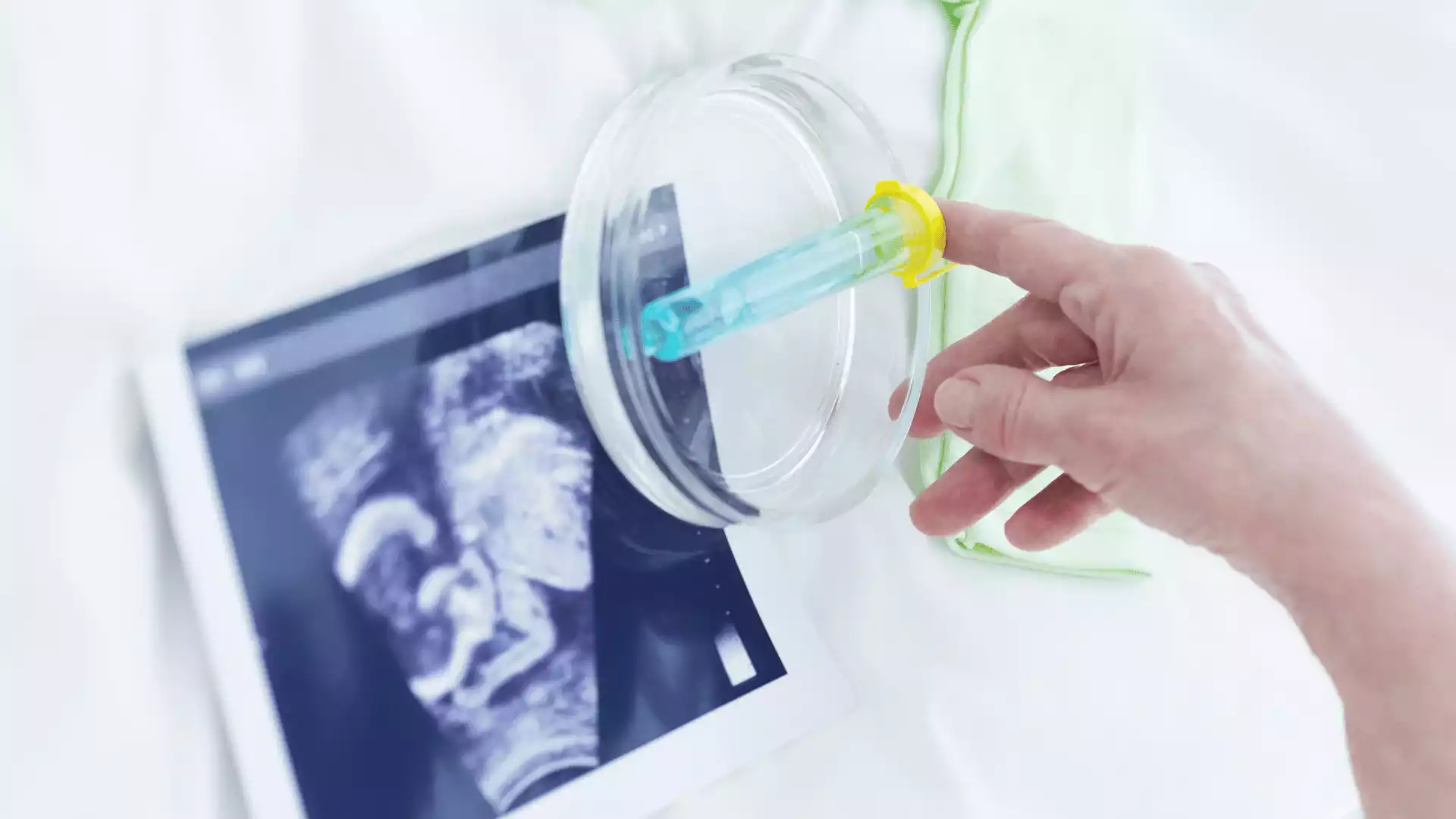
One of the most noticeable IVF implantation symptoms is light vaginal spotting. Implantation bleeding occurs when small blood vessels are slightly disrupted as the embryo attaches to the uterine lining. This type of bleeding differs clearly from a normal menstrual period. Among IVF day 7 symptoms, spotting may appear as early as day 6 after transfer. Typical characteristics of implantation bleeding include:
- Light pink, brown, or light red in color
- Very minimal in amount and does not require a pad
- No clots and lasts 1–3 days
Rather than panicking, it is important to observe the characteristics of the bleeding.
Breast Tenderness and Swelling
Hormonal changes associated with early pregnancy frequently cause breast changes and are common IVF implantation symptoms. Rising levels of beta-hCG and progesterone increase sensitivity in breast tissue. Breast tenderness typically begins 7–10 days after transfer and is noticeable upon touch. Sensitivity may be more pronounced in the morning, nipple color may darken, and mild breast enlargement can occur. These changes are usually continuous and gradually increase.
Fatigue and Exhaustion
Fatigue, one of the common IVF day 7 symptoms, is a natural result of increased progesterone levels. This tiredness differs from ordinary daily fatigue, as women may feel exhausted despite adequate rest. Causes of fatigue include:
- Elevated progesterone levels
- The body redirecting energy toward embryo development
- Fluctuations in blood sugar levels
During this time, adequate rest and avoiding excessive physical activity are essential.
Mood Changes

Hormonal fluctuations commonly lead to mood changes, which are frequent IVF implantation symptoms. Variations in estrogen and progesterone levels can cause emotional shifts such as sudden mood swings, unexplained crying, and increased emotional sensitivity. Reactions may seem exaggerated, minor issues may provoke strong responses, and concentration difficulties may occur. These emotional changes are temporary and should be considered normal.
Changes in Body Temperature
After IVF embryo transfer, changes in basal body temperature may occur due to progesterone effects. A sustained increase of 0.3–0.5°C can be observed, particularly noticeable in morning measurements. This rise is continuous, not accompanied by fever symptoms, and does not show a downward trend. Regular temperature monitoring can help identify this sign.
Frequent Urination
The effect of rising beta-hCG levels causes the kidneys to work more actively, leading to frequent urination, especially at night. Urination frequency increases progressively, without burning or discomfort that would suggest infection. If signs of urinary tract infection occur, medical consultation is necessary.
Increased Sensitivity to Smell and Taste
Hormonal effects on the nervous system may heighten sensitivity to smells and tastes, making this a characteristic IVF day 7 symptom. Previously pleasant odors may become irritating, a metallic taste may appear in the mouth, and food preferences may change. Avoiding environments with strong or unpleasant odors is advisable.
Nausea and Digestive Symptoms
Rising beta-hCG levels may slow gastric emptying, causing mild nausea that is often more noticeable in the morning. This nausea is usually mild, may be triggered by certain smells, and may be accompanied by appetite changes. Eating small, frequent meals can be helpful. Severe vomiting should prompt medical evaluation.
Delayed Menstruation
Among IVF implantation symptoms, the most definitive indicator is delayed menstruation. The expected menstrual period does not occur around day 14 after transfer. It is important to calculate days accurately from the transfer date and not confuse light spotting with menstruation. Early pregnancy testing should be avoided; a beta-hCG blood test performed on day 14 provides definitive confirmation.
IVF implantation symptoms are early signs of successful embryo implantation into the uterine lining. Mild abdominal pain, spotting, breast tenderness, fatigue, and other symptoms are natural effects of pregnancy-related hormones. Monitoring IVF day 7 symptoms helps manage this process more effectively. It is important to remember that these symptoms do not appear the same way in every woman. The period following embryo transfer is delicate and requires patience. While symptoms can be encouraging, definitive diagnosis depends on beta-hCG testing. Understanding IVF implantation symptoms accurately provides psychological support during this challenging journey and helps couples navigate the process with confidence and awareness.

