


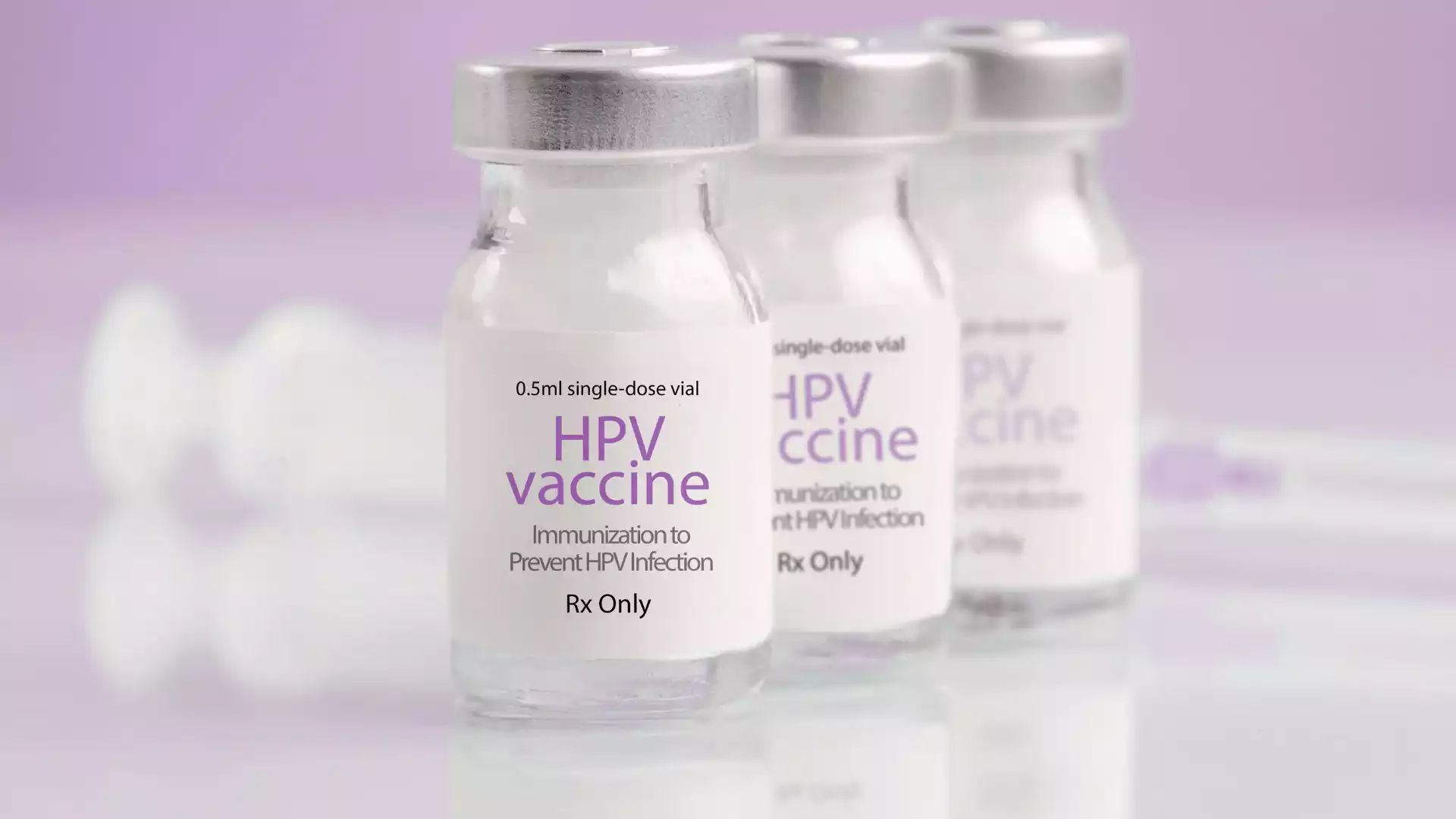
HPV (Human Papillomavirus) is one of the most common sexually transmitted viruses worldwide. This virus not only affects individuals but also has a direct impact on public health, and when preventive measures are not taken, it can lead to serious health problems. According to World Health Organization data, approximately 600,000 women are diagnosed with cervical cancer each year, and nearly all of these cases are associated with HPV. In men, HPV infections can also underlie conditions such as anal, penile, and throat cancers. For this reason, the HPV vaccine is one of the most important preventive health measures for both women and men. So, what is HPV, why is the HPV vaccine administered, and who should receive the HPV vaccine?
What Is HPV?

Human Papillomavirus (HPV) is one of the most widespread sexually transmitted infection agents globally. This virus family includes more than 100 different types, some of which are harmless while others can cause serious health problems. HPV infections often progress silently, and many people are unaware that they are infected. High-risk HPV types can lead to cervical cancer as well as cancers of the vulva, vagina, penis, anus, and oropharynx. Low-risk types, on the other hand, cause genital warts.
Because HPV is transmitted through skin-to-skin contact, condom use does not provide complete protection. In individuals with a strong immune system, HPV infection often clears spontaneously. However, people with weakened immune systems or repeated exposure to new infections are at higher risk. For this reason, preventive vaccination is of great importance. Since HPV infections often show symptoms at later stages, regular screening tests and vaccination strategies are vital. Early detection and prevention are the most effective ways to combat HPV-related cancers.
What Is the HPV Vaccine?
The HPV vaccine is a specially developed biological preparation that provides protection against human papillomavirus infections. The vaccine contains virus-like particles that mimic the protein shell of the virus but do not include its genetic material. This allows the immune system to develop protection without the risk of infection. Currently used HPV vaccines protect against the most dangerous and common HPV types.
The nine-valent HPV vaccine (9vHPV) provides protection against nine HPV types, including seven cancer-causing types and two types responsible for genital warts. This vaccine has the potential to prevent approximately 90% of HPV-related cancer cases. The effectiveness of the vaccine is highest when administered before the onset of sexual activity, as the immune system is prepared before exposure to the virus. However, sexually active individuals can also benefit, since exposure to all HPV types at the same time is uncommon.
The HPV vaccine is administered as an intramuscular injection and is usually given in three doses. The first two doses are given two months apart, and the third dose is administered four months after the second. The protective effect of the vaccine lasts for many years.
Who Should Receive the HPV Vaccine?
The question of who can receive the HPV vaccine is one of the most frequently asked. The vaccine can be administered to both women and men, regardless of gender.
- Ages 9–14: The World Health Organization identifies this age range as the ideal period for vaccination. Because the immune response is strongest, one or two doses may be sufficient.
- Ages 15–26: The vaccine remains highly effective in this age group, but three doses are required.
- Adults over 26 years: In this group, the answer to who should receive the HPV vaccine becomes more individualized. With a doctor’s approval, vaccination may be considered based on risk factors. Individuals with multiple partners, a history of HPV-related conditions, or increased health risks may benefit.
In summary, when asking who can receive the HPV vaccine, it is important to note that this group includes not only young women but also men, as HPV poses serious health risks to both sexes.
Why Is the HPV Vaccine Administered?
The most fundamental answer to why the HPV vaccine is administered is cancer prevention. HPV is considered the primary cause of cervical cancer. In addition, it is directly linked to anal, penile, vaginal, and oropharyngeal cancers. The main reasons for administering the HPV vaccine include:
- Preventing cervical cancer: HPV types 16 and 18 are responsible for more than 70% of cervical cancer cases.
- Preventing genital warts: HPV types 6 and 11 cause approximately 90% of genital warts.
- Providing herd immunity: Widespread vaccination reduces the transmission rate of the virus in the community.
- Reducing healthcare costs: Preventive health measures are far more cost-effective than cancer treatments.
As seen, the answer to why the HPV vaccine is administered includes not only individual health benefits but also public health and economic advantages.
Benefits of the HPV Vaccine

- Provides strong protection against high-risk HPV types
- Significantly reduces cervical cancer rates
- Decreases the incidence of genital warts
- Reduces the risk of anal and penile cancer in men
- Contributes to herd immunity by reducing the spread of HPV
Australia is one of the most successful countries in HPV vaccination programs. Due to high vaccination coverage among young people, cervical cancer rates have decreased significantly, clearly demonstrating the effectiveness of the vaccine.
Common Misconceptions About the HPV Vaccine
- Myth: The HPV vaccine is only for women. Fact: The HPV vaccine is also necessary for men, as HPV can cause cancer and warts in males.
- Myth: The HPV vaccine causes infertility. Fact: There is no scientific evidence supporting this claim. The HPV vaccine does not negatively affect reproductive health.
- Myth: The vaccine is only given to individuals with no sexual experience. Fact: Sexually active individuals can also benefit from the vaccine, although protection rates may be slightly lower.
Things to Consider After the HPV Vaccine
The HPV vaccine is generally safe and well tolerated. However, some mild side effects may occur:
- Redness, pain, or mild swelling at the injection site
- Mild fever or headache
- Avoiding intense physical activity for the first 24 hours is recommended
- All doses should be completed according to the schedule recommended by the physician
In short, regardless of the answer to who can receive the HPV vaccine, following medical advice after vaccination is crucial for optimal protection. The HPV vaccine is one of modern medicine’s greatest achievements in cancer prevention. The answers to who should receive the HPV vaccine and why the HPV vaccine is administered are clear in light of scientific evidence.
The HPV vaccine plays a critical role in both individual and public health. When parents decide on HPV vaccination for their children, evaluating scientific evidence is essential. The answer to why the HPV vaccine is administered is to protect children from future cancer risk, and this protection is most effective when provided before the onset of sexual activity. Healthcare professionals should educate patients about the HPV vaccine and actively combat misinformation. Vaccination protocols should be regularly updated in line with the latest scientific data.
Ensuring equal access to the HPV vaccine is vital to prevent socioeconomic disparities from limiting vaccination opportunities. Public health policies should prioritize this issue. Ultimately, the role of the HPV vaccine in cancer prevention highlights the importance of individual responsibility in protecting public health. The answer to why the HPV vaccine is administered is not only individual protection but also a contribution to community health.

