


The early stages of pregnancy can be filled with curiosity, excitement, and uncertainty for many women. As the body’s hormonal balance begins to change, various physical and emotional signals may appear. These signals often lead to the question, “What are the symptoms of pregnancy?” Although they may not be experienced in the same way by every woman, early pregnancy symptoms generally follow a similar pattern. For this reason, recognizing changes in the body correctly is important both for early detection and for the start of a healthy pregnancy.
Missed Period
One of the most well-known and noticeable signs of pregnancy is a missed period. For women with a regular menstrual cycle, a delay often raises the first suspicion of pregnancy. Of course, stress, hormonal fluctuations, or lifestyle factors may also cause a delay; however, a missed period remains one of the strongest indicators of pregnancy. At this stage, home pregnancy tests or blood tests can provide reliable results.
Breast Tenderness
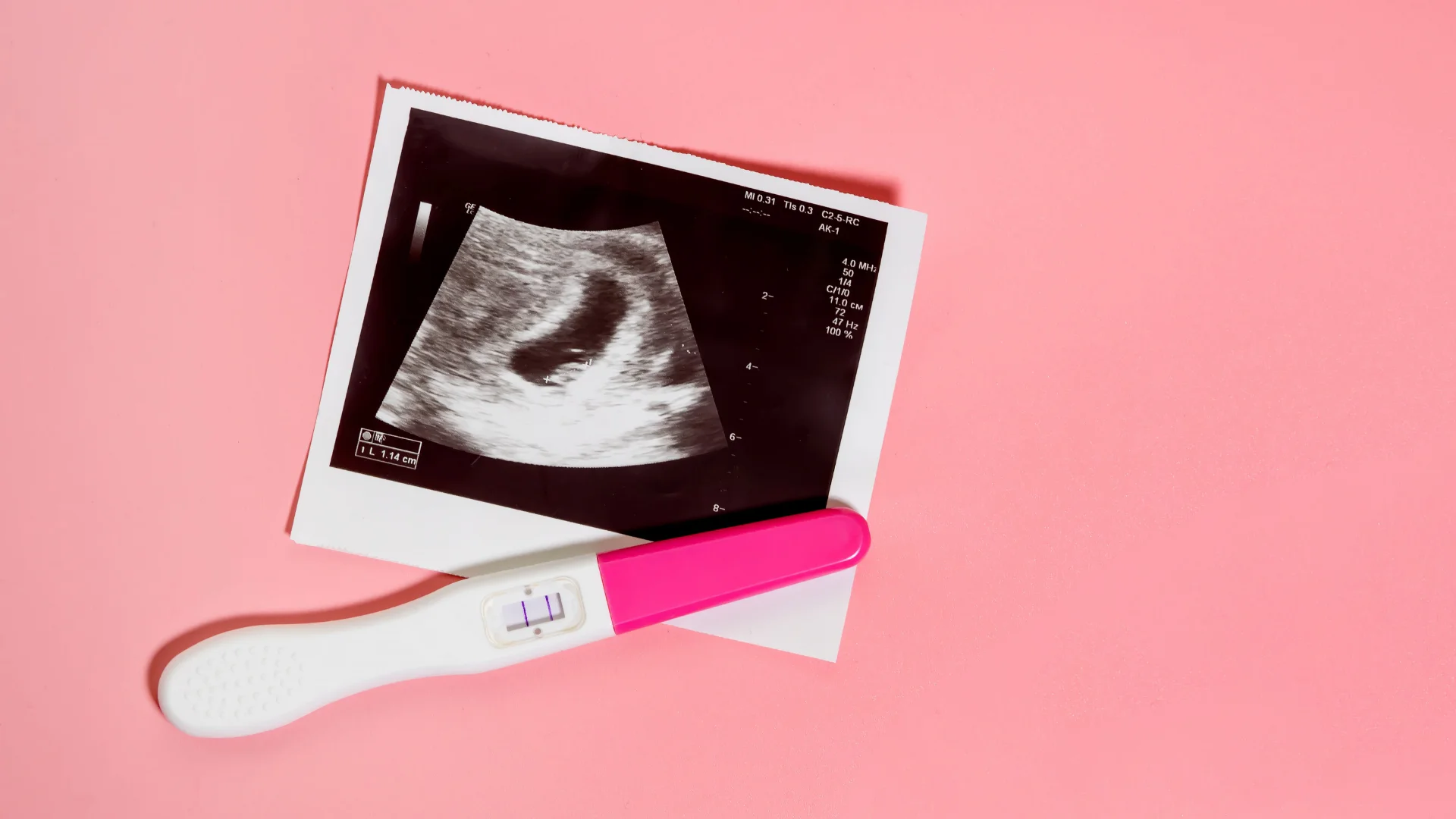
Due to the rapid increase in hormones during early pregnancy, swelling, fullness, and tenderness in the breasts may occur. Although this sensation may resemble premenstrual breast tenderness, it is usually more intense and noticeable. For many women, these changes are among the earliest signs of pregnancy.
Fatigue and Weakness
From the very first days of pregnancy, the body enters a major period of adjustment. Increased levels of the hormone progesterone can lead to greater sleep needs and reduced energy levels. Difficulty waking up in the morning, constant drowsiness throughout the day, and unexplained fatigue are common early pregnancy symptoms.
Nausea and Vomiting
Nausea is one of the symptoms most commonly associated with pregnancy. Often more pronounced in the morning, nausea may appear in varying degrees and can begin in the early weeks of pregnancy. This condition is linked to rising hormone levels and is commonly referred to as “morning sickness.” Experiencing nausea frequently prompts women to ask themselves what the symptoms of pregnancy are.
Sensitivity to Smells
Scents that are normally tolerated in daily life may suddenly become overwhelming or unpleasant. Perfumes, food smells, and even cleaning products may feel intense. Sensitivity to smells is caused by hormonal changes and can be one of the first noticeable signs of pregnancy for many women.
Frequent Urination
As blood volume increases and the kidneys work more intensively, the need to urinate more frequently may develop. This is often more noticeable at night. A change in urination habits outside the normal routine may be considered an early sign of pregnancy.
Mild Abdominal Cramping

In early pregnancy, the uterus begins to grow, which may cause mild cramping sensations. These cramps are often confused with premenstrual pain. However, if the cramps are not severe and are not accompanied by other concerning symptoms, they are generally considered a normal part of early pregnancy.
Changes in Vaginal Discharge
Hormonal changes may lead to an increase or alteration in vaginal discharge. Clear and odorless discharge is usually a natural result of pregnancy. Changes in discharge often prompt women to research pregnancy symptoms. However, if there is a change in color or odor, medical evaluation is recommended.
Mood Swings
Rapid hormonal fluctuations may cause sudden emotional changes. Laughing one moment and crying the next, or experiencing heightened emotional sensitivity, is quite common. Mood swings during the first months of pregnancy are considered a normal response to hormonal changes.
Increase in Body Temperature
Basal body temperature may rise slightly during pregnancy. This change is more easily noticed by women who are planning pregnancy and regularly track their temperature. When evaluated alongside other symptoms, this increase can be a meaningful sign of early pregnancy.
Changes in Appetite
Some women notice a significant increase in appetite, while others develop aversions to certain foods. Changes in taste perception and sudden food cravings can also be early indicators of pregnancy.
Spotting (Implantation Bleeding)
Light pink or brown spotting may occur when the fertilized egg implants in the uterus. This is often mistaken for the beginning of a menstrual period but is usually lighter and shorter in duration. Implantation bleeding is one of the earliest pregnancy symptoms for many women.
The female body begins sending various signals from the very first days of pregnancy. While these signs may be very noticeable in some women, they may be mild in others. Missed periods, nausea, breast tenderness, sensitivity to smells, and mood changes are among the most common pregnancy symptoms. However, each symptom can vary from person to person. For the most accurate confirmation, home pregnancy tests, blood tests, and a medical examination should be evaluated together. If anything unusual is experienced, consulting a healthcare professional is essential.

