



Urinary incontinence is a common health problem that affects millions of women today. Women who experience this condition often choose to remain silent due to feelings of embarrassment. However, understanding the causes of urinary incontinence in women can significantly accelerate the treatment process and greatly improve quality of life. In this article, we will examine the causes of urinary incontinence in detail and share essential information every woman should know. It is important to remember that this condition is not normal and should always be evaluated by a specialist physician.
What Is Urinary Incontinence?
Urinary incontinence is the involuntary loss of urine. Known medically as “urinary incontinence,” this condition is much more common in women than in men. The causes of urinary incontinence can vary widely and may differ according to age groups. Women experiencing this problem may face limitations in daily activities, withdraw from social life, and suffer from decreased self-confidence. When the underlying causes are correctly identified, urinary incontinence can largely be treated with appropriate medical approaches. Modern medicine offers comprehensive solutions for the causes of urinary incontinence in women, which is why consulting a urology specialist is strongly recommended.
Pregnancy and Postpartum Effects
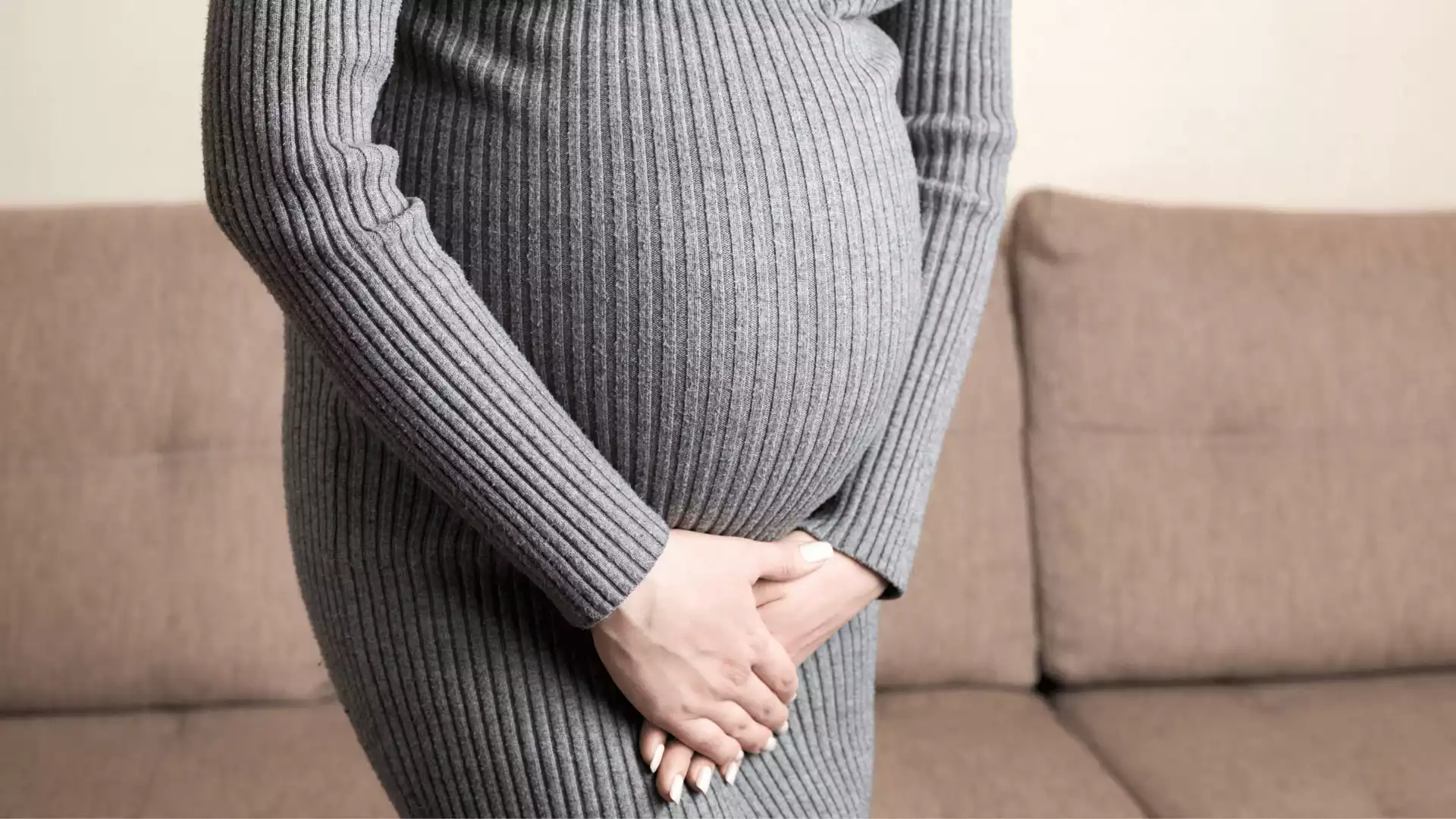
Pregnancy is one of the most common causes of urinary incontinence. As the growing baby puts pressure on the bladder, hormonal changes also affect the pelvic floor muscles. This can lead to urinary leakage, especially during the last trimester of pregnancy. The childbirth process is another critical period. During vaginal delivery, pelvic floor muscles and nerves may be damaged. Prolonged labor, delivering a large baby, or the use of forceps can increase this risk.
Even women who deliver by cesarean section may experience urinary incontinence due to pregnancy-related changes. In the postpartum period, muscle weakness becomes a prominent factor among the causes of urinary incontinence in women. Hormonal changes during breastfeeding may also contribute. While this problem resolves over time for many women, it may become permanent in others. Insufficient pelvic floor (Kegel) exercises are also among postpartum causes. Regular pelvic floor exercises before, during, and after pregnancy can significantly reduce the risk.
Menopause and Hormonal Changes
Menopause plays an important role among the causes of urinary incontinence. The significant decline in estrogen levels reduces the elasticity of urinary tract tissues and impairs bladder muscle function. These changes commonly lead to urinary leakage, particularly in women over the age of 50.
Hormonal changes are not limited to estrogen deficiency. Fluctuations in progesterone and testosterone levels also affect pelvic floor muscles. Additionally, estrogen deficiency causes vaginal thinning, dryness, and increased infection risk, all of which may indirectly contribute to urinary incontinence. Hormone replacement therapy may help regulate these hormonal factors but must always be administered under medical supervision.
Weakening of Pelvic Floor Muscles
Pelvic floor muscles play a central role in urinary continence by supporting the bladder, uterus, and intestines. Aging, childbirth, and excess body weight can weaken these muscles. Pelvic floor muscle weakness is especially prominent in stress urinary incontinence, where leakage occurs during coughing, sneezing, laughing, or lifting heavy objects.
A sedentary lifestyle is another contributing factor. Lack of physical activity weakens pelvic floor muscles, whereas regular exercise helps strengthen them. Kegel exercises are one of the most effective methods. Early intervention through physical therapy and rehabilitation programs can yield highly successful results.
Excess Weight and Obesity
Excess weight is an increasingly important cause of urinary incontinence. Abdominal obesity creates constant pressure on the bladder, disrupting continence mechanisms. In addition to mechanical pressure, metabolic changes, hormonal imbalances, and increased inflammation also contribute to urinary incontinence in overweight women.
Weight loss is one of the most effective strategies in managing this condition. Research shows that even a 5–10% reduction in body weight can significantly improve urinary incontinence symptoms. A combination of healthy nutrition and regular exercise not only helps with weight management but also strengthens pelvic floor muscles.
Urinary Tract Infections

Urinary tract infections (UTIs) play an important role in understanding urinary incontinence. Bacterial infections can irritate the bladder wall, leading to sudden urges and loss of control. Recurrent UTIs may become a chronic cause of urinary incontinence, especially in older women.
Although infection-related urinary incontinence often improves with treatment, underlying anatomical problems such as bladder stones, diverticula, or pelvic organ prolapse may cause recurrent infections. Antibiotic treatment and proper hygiene are effective, but identifying underlying causes is essential for long-term solutions.
Chronic Cough and Constipation
Chronic cough is often overlooked among the causes of urinary incontinence. Continuous coughing places excessive strain on pelvic floor muscles, gradually weakening them. Smoking, asthma, and chronic bronchitis increase this risk.
Constipation similarly contributes to urinary incontinence. Accumulated stool exerts pressure on the bladder, while chronic straining weakens pelvic floor muscles. Treating chronic cough and preventing constipation through adequate fluid intake, fiber-rich nutrition, and regular exercise can significantly improve symptoms.
Age-Related Changes
Aging is an inevitable factor among the causes of urinary incontinence. With age, bladder muscles lose elasticity, bladder capacity decreases, and pelvic floor muscles weaken. These changes become more pronounced after the age of 60.
Age-related changes in the nervous system may also impair communication between the bladder and the brain. However, aging does not mean urinary incontinence is unavoidable. Regular exercise, healthy nutrition, and early intervention can significantly reduce its impact.
Medications and Medical Conditions
Certain medications can affect continence control, including diuretics, antidepressants, sedatives, and blood pressure medications. Therefore, medication history should always be evaluated.
Diabetes is another important cause of urinary incontinence in women. High blood sugar increases infection risk, while diabetic neuropathy disrupts bladder nerve control. Neurological conditions such as multiple sclerosis, Parkinson’s disease, and stroke directly affect bladder function. Thyroid disorders, kidney disease, and heart failure may also contribute.
Treatment and Management Options
Once the causes of urinary incontinence are identified, an appropriate treatment plan should be created. Conservative treatments include pelvic floor exercises, bladder training, lifestyle modifications, and weight loss.
Medications such as anticholinergics, beta-3 agonists, and hormone therapy may be used when appropriate. Surgical options, including laser treatment and surgical procedures, are considered when conservative treatments are insufficient.
Prevention and Lifestyle Recommendations
Knowing the causes of urinary incontinence allows preventive measures to be taken. Regular Kegel exercises, maintaining a healthy weight, limiting caffeine and alcohol intake, managing stress, and adopting an active lifestyle all contribute to better bladder control.
Urinary incontinence in women can be complex and multifactorial, but it is highly treatable. Women experiencing this problem should seek medical help without hesitation. Early diagnosis and appropriate treatment significantly improve outcomes. Remember, urinary incontinence is not a natural consequence of aging—it is a treatable health condition. Awareness and accurate information are the first steps in addressing this often silent problem.

