


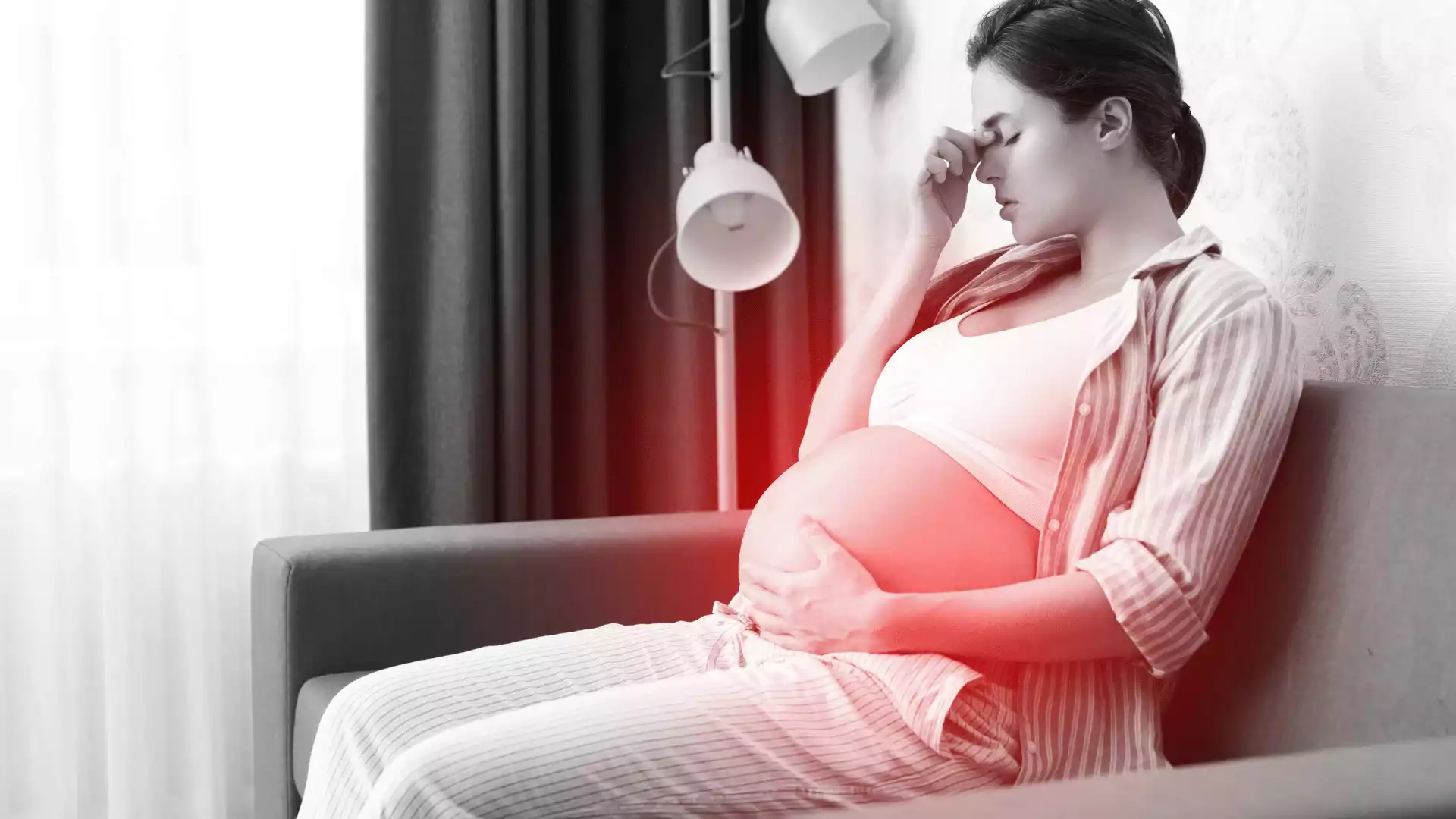
Pregnancy is an exciting yet highly sensitive period for expectant mothers. However, not every pregnancy results in a healthy birth. Medically referred to as “spontaneous abortion,” miscarriage means the natural loss of a pregnancy before the 20th week. A significant number of women may experience this situation at some point in their lives. According to World Health Organization data, approximately 1 out of every 4 pregnancies ends in miscarriage. This statistic highlights how common the risk of miscarriage actually is. So, what is miscarriage, how can miscarriage during pregnancy be recognized, and what can be done to prevent it?
What Is a Miscarriage?
A miscarriage is the unintentional loss of a pregnancy without the mother’s choice. It usually occurs before the 20th week of pregnancy, a period during which the fetus does not yet have the ability to survive outside the uterus; therefore, it is considered a pregnancy loss. Miscarriage is a physically and emotionally challenging experience. Depending on the week in which it occurs, different medical definitions are used. Pregnancy losses that occur within the first 12 weeks are referred to as “early miscarriage,” and the majority of miscarriages happen during this period. Losses occurring between the 12th and 20th weeks are defined as “late miscarriage.” In short, miscarriage is a significant health condition that occurs as part of the natural course of pregnancy but deeply affects expectant mothers.
What Causes Miscarriage During Pregnancy?
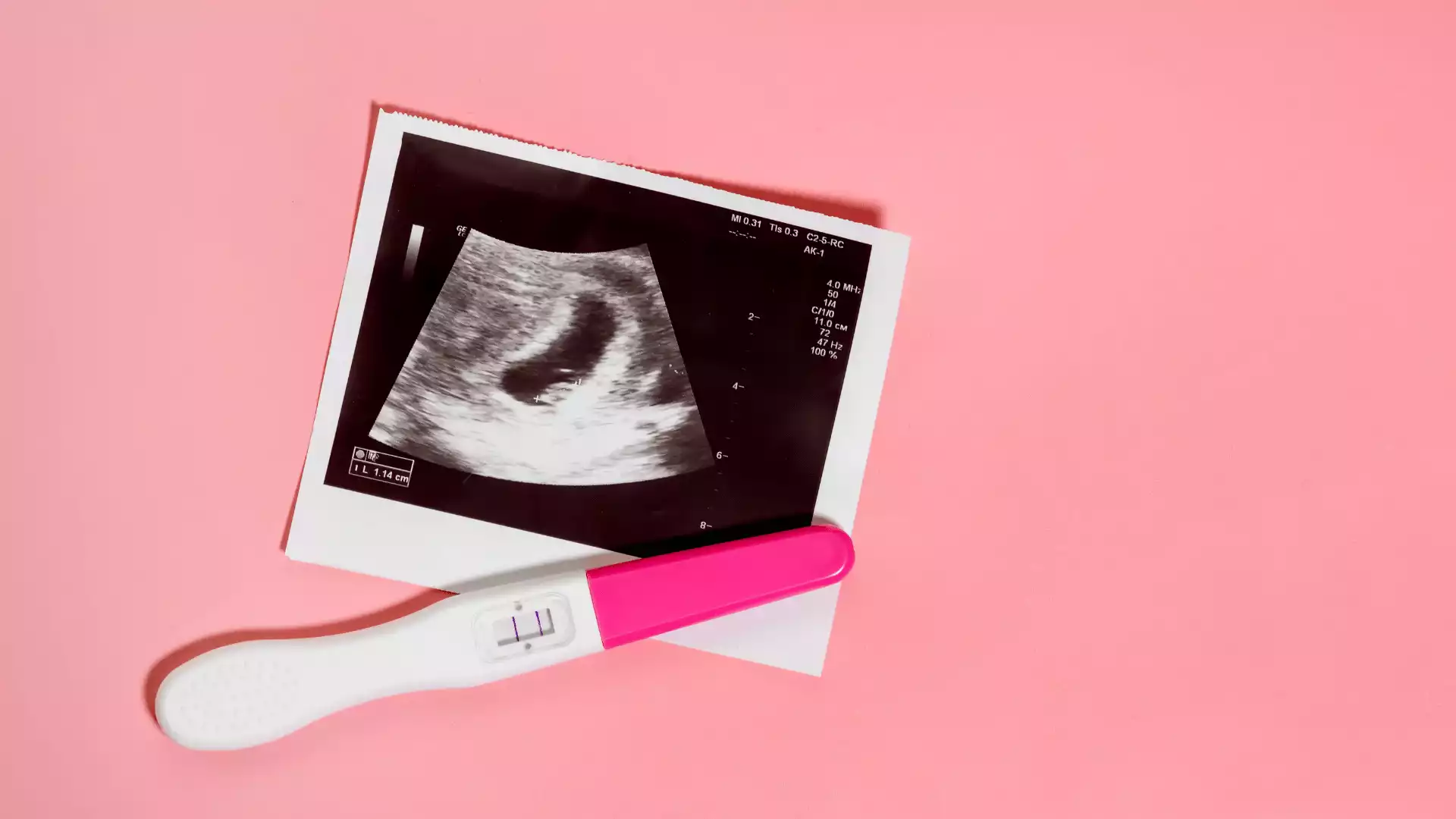
The question “What causes miscarriage during pregnancy?” is one of the most frequently asked by expectant mothers. There is no single cause of miscarriage; it usually results from a combination of multiple factors. The main causes include:
- Genetic factors: Abnormalities in the genetic structure of the embryo account for approximately 50% of miscarriages.
- Hormonal problems: Thyroid disorders, polycystic ovary syndrome, or progesterone deficiency may lead to miscarriage.
- Structural uterine problems: Uterine septum, fibroids, or intrauterine adhesions can prevent healthy progression of pregnancy.
- Immune system disorders: The body may perceive the embryo as foreign and reject it.
- Infections: Toxoplasmosis, listeria, or certain viral infections increase miscarriage risk.
- Lifestyle factors: Smoking, alcohol consumption, drug use, and excessive caffeine intake significantly increase miscarriage risk.
- Advanced maternal age: The risk of miscarriage is higher in women over the age of 35.
In summary, although miscarriage often occurs due to factors beyond the mother’s control, certain lifestyle changes may help reduce the risk.
Types of Miscarriage During Pregnancy
Miscarriages are classified using different medical terms based on how they occur. This classification affects both the treatment process and future pregnancy planning.
- Complete miscarriage: All pregnancy tissue has been expelled from the uterus; no additional treatment is required.
- Incomplete miscarriage: Some pregnancy tissue remains in the uterus, and medical or surgical intervention may be necessary.
- Threatened miscarriage: Vaginal bleeding and pain are present, but the pregnancy may still continue.
- Inevitable miscarriage: The cervix is dilated, and continuation of the pregnancy is not possible.
- Missed miscarriage: The embryo’s heartbeat has stopped, but the mother experiences no obvious symptoms.
- Recurrent miscarriage: Two or more consecutive miscarriages.
This classification also helps answer the question “How can miscarriage during pregnancy be recognized?” as each type presents with different symptoms.
What Are the Symptoms of Miscarriage?
Symptoms of miscarriage may vary from one woman to another. However, certain signs require particular attention:
- Vaginal bleeding or spotting
- Severe cramping or pain in the lower abdomen
- Pressure or pain in the lower back
- Passing blood clots or tissue from the vagina
- Sudden disappearance of pregnancy symptoms (such as nausea stopping or breast tenderness decreasing)
These symptoms do not always indicate a miscarriage. Nevertheless, if any of these occur, medical attention should be sought immediately. Early intervention may sometimes help preserve the pregnancy.
When Does the Risk of Miscarriage Decrease During Pregnancy?
The risk of miscarriage is highest during the first trimester (the first 12 weeks of pregnancy). Statistically, approximately 80% of miscarriages occur during this period. After the 12th week, the risk decreases significantly. After the 20th week, pregnancy loss is referred to as “preterm birth” rather than miscarriage. Therefore, the answer to the question “When does miscarriage risk decrease during pregnancy?” is generally after the 12th week. At this stage, fetal organ development is largely completed, and the pregnancy becomes more stable. However, chronic illnesses, uterine anomalies, or lifestyle factors may still increase miscarriage risk in later weeks.
Ways to Prevent Miscarriage During Pregnancy

Not all miscarriages can be prevented, but risks can be reduced. When discussing “ways to prevent miscarriage during pregnancy,” both lifestyle adjustments and medical care are essential.
- Attend regular prenatal check-ups. Routine monitoring helps detect potential risks early.
- Avoid smoking, alcohol, and harmful substances. These are among the most significant risk factors for miscarriage.
- Maintain a balanced diet. Adequate intake of folic acid, iron, and omega-3 fatty acids may help reduce miscarriage risk.
- Try to manage stress. Chronic stress can trigger hormonal changes that increase miscarriage risk.
- Use medical treatments when necessary. Hormonal support or blood-thinning medications may be prescribed under medical supervision in high-risk pregnancies.
In short, although miscarriage cannot always be prevented, healthy lifestyle habits and regular medical follow-up can significantly reduce the risk.
Miscarriage during pregnancy is a physically and emotionally challenging experience for expectant mothers. There is no single answer to the question “What causes miscarriage during pregnancy?”—many factors, from genetics to lifestyle, may play a role. Recognizing early symptoms, attending regular medical check-ups, and maintaining a healthy lifestyle are the most effective ways to reduce miscarriage risk. In summary, when miscarriage symptoms are correctly identified, risk periods are understood, and preventive steps are taken, expectant mothers can continue their pregnancies more safely. Although miscarriage risk decreases significantly after the 12th week, regular medical care, healthy living, and informed decisions remain critically important throughout pregnancy.

