


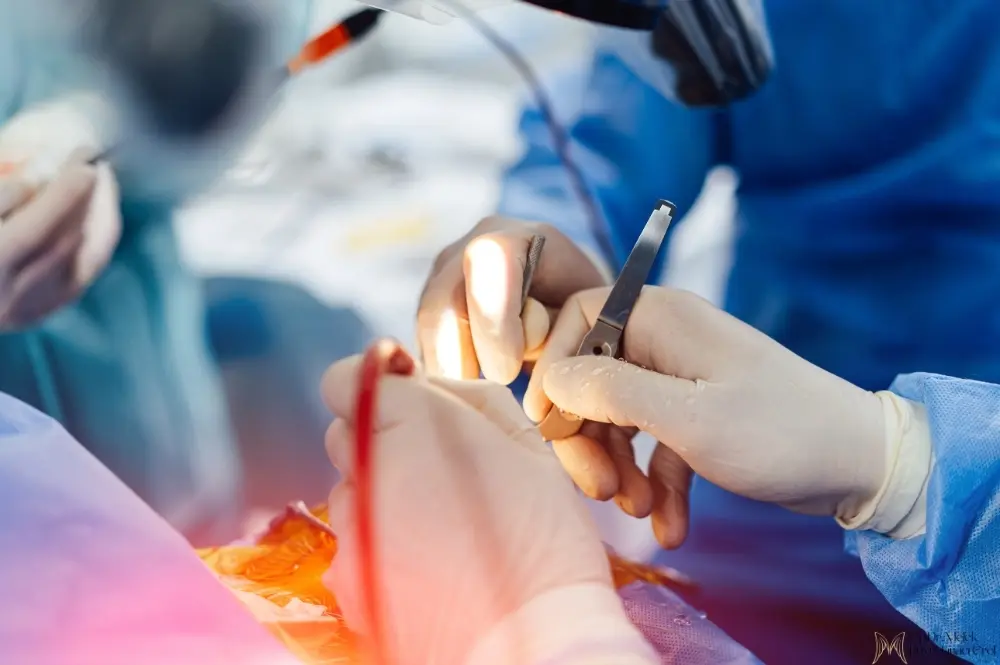
Laparoscopy in Gynecology
Laparoscopy is a surgical method known as minimally invasive surgery, used for the examination, diagnosis, and treatment of organs and tissues inside the body. In gynecology, laparoscopy is frequently preferred, especially for the evaluation and treatment of organs in the pelvic region. This technique is performed by making a few small incisions in the abdominal area without the need for large surgical cuts. Laparoscopy can be used for both diagnostic and therapeutic purposes and plays an important role in the management of many gynecological conditions. Particularly when more complex surgical procedures such as hysterectomy are performed laparoscopically, it offers significant advantages for patients.How Is Laparoscopy Performed?
Laparoscopy is performed as a surgical procedure under general anesthesia. The main stages of the procedure are as follows:- Preparation: The patient is prepared for the procedure under general anesthesia. The abdominal area is cleaned with antiseptic solutions.
- Abdominal Inflation: A small incision is made near the navel, and carbon dioxide gas is introduced into the abdominal cavity to inflate it. This allows the surgeon to view the organs more clearly.
- Insertion of the Laparoscope: A thin, lighted tube called a laparoscope is inserted into the abdomen through this incision. The laparoscope provides high-resolution images of the internal organs, which are displayed on a monitor.
- Additional Incisions: If necessary, a few additional small incisions are made to insert surgical instruments. Surgical interventions are performed using these instruments.
- Examination and Treatment: During laparoscopy, the uterus, fallopian tubes, ovaries, and other pelvic organs are examined. If any abnormalities (such as cysts, fibroids, or endometriosis) are detected, the surgeon can treat these conditions during the same procedure.
- Completion of the Procedure: After the procedure is completed, the laparoscope and other instruments are removed, the gas is released from the abdominal cavity, and the incisions are closed with sutures.
Uses of Laparoscopy in Gynecological Diseases
Laparoscopy can be applied in a wide range of gynecological conditions. This method is effectively used for both diagnosis and treatment:- Endometriosis: Laparoscopy is one of the most reliable methods for the diagnosis and treatment of endometriosis. The surgeon can visualize endometriotic lesions and remove them.
- Treatment of Cysts and Fibroids: Ovarian cysts and uterine fibroids can be successfully removed using laparoscopic surgery. Since this procedure does not require large incisions, patients recover more quickly.
- Tubal Ligation and Reversal: Laparoscopy can also be used to ligate the fallopian tubes for contraception or to reopen blocked tubes.
- Ectopic Pregnancy: In cases of ectopic pregnancy, the pregnancy tissue must be removed from the fallopian tube through laparoscopic surgery. This method provides a significant advantage in preserving the patient’s reproductive function.
- Pelvic Adhesions: Adhesions in the pelvic region can be diagnosed and treated with laparoscopy. Adhesions may cause infertility and chronic pelvic pain; therefore, their surgical removal is important.
- Infertility Evaluation: Laparoscopy can also be used to investigate the causes of infertility. This method allows direct examination of the uterus, fallopian tubes, and ovaries.
- Hysterectomy: Hysterectomy is the surgical removal of the uterus, and laparoscopy allows this procedure to be performed in a minimally invasive manner. Laparoscopic hysterectomy may be performed due to uterine cancer, fibroids, severe endometriosis, or chronic pain. Compared to open surgery, laparoscopic hysterectomy is less invasive and is associated with shorter recovery time and less pain.
Advantages and Risks of Laparoscopy
Advantages:- Minimally Invasive: Laparoscopy is performed through small incisions instead of large surgical cuts, resulting in less pain, faster recovery, and a lower risk of infection.
- Shorter Hospital Stay: Patients are usually discharged sooner after laparoscopic surgery.
- Minimal Scarring: Due to small incisions, scars after laparoscopy are minimal.
- Faster Recovery: Laparoscopic hysterectomy enables patients to return to their daily activities more quickly.
- Risk of Infection: As with any surgical procedure, there is a risk of infection after laparoscopy.
- Anesthesia-Related Complications: Since the procedure requires general anesthesia, complications related to anesthesia may occur.
- Organ Injury: Although rare, there is a risk of injury to internal organs during laparoscopy.